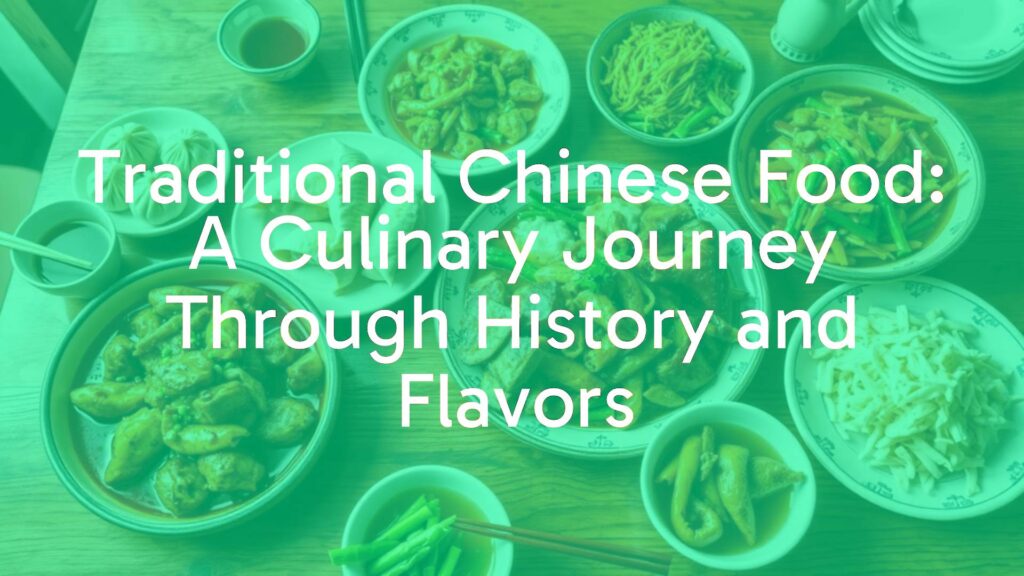
Traditional Chinese food is much more than just a set of recipes. It is a living mix of flavors, cooking styles, and history shaped over thousands of years. This cuisine shows a strong connection to Chinese culture and has become popular all over the world. Whether sold at a busy street stall or served in an elegant restaurant, traditional Chinese dishes are known for their rich flavors and deep cultural ties.
China’s large size, different climates, and many ethnic groups give Chinese food a great variety. Every area has its own style, shaped by what is grown or raised there and by local customs and history. To truly understand Chinese food, you should think of it as many types of cuisine, each with its own story and background.

What Is Traditional Chinese Food?
Traditional Chinese food is not just about taste; it is about creating balance and health. The aim is to make meals that taste good and also help the body. This idea has been important in Chinese cooking for many generations.
Main Features and Ideas
Freshness is a top priority in Chinese cooking, with ingredients often purchased daily at local markets. The focus is on bringing out the natural flavors of ingredients, not hiding them under strong sauces or too many spices. Chinese people talk about the importance of color, smell, and taste. A good meal is also meant to look appealing and be nutritious.
An old idea called Yin and Yang is a key part of Chinese cooking. Chefs try to balance dishes between warm and cool, hot and cold, and the five main tastes: sweet, sour, bitter, spicy, and salty. Cooking methods are chosen to get the best flavors from each ingredient without overwhelming them. Attention is paid to every detail, from the way vegetables are cut to the length of cooking time and the spices used.

Regional Differences in Chinese Food
China’s food changes a lot depending on where you are because of the different weather, landforms, and traditions in each area. For example, the humid and spicy Sichuan area uses a lot of chili peppers. In warm and lush Guangdong, food is lighter and lets natural flavors shine. Asking for “Chinese food” can mean very different things based on the region, just like asking for “European food” would.
Traditional vs. Modern Chinese Dishes
Traditional Chinese food is based on old cooking ways and local ingredients, often skipping dairy products and choosing foods like tofu or soy milk for protein. Freshness and proper cooking techniques are very important.
Modern Chinese food, especially outside China, often mixes in outside influences. For example, American Chinese food is usually sweeter and heavier, using more sugar, salt, and soy sauce, with less heat than the original versions. Fast foods like stir-fried noodles and rice are popular in busy cities. Still, chefs work hard to keep traditional tastes alive, sometimes giving classic dishes a modern style.
The Meaning and History of Chinese Food
The story of Chinese food is long and detailed. Food is more than just something to eat-it is a big part of Chinese social life, holidays, and community.
Important Events in Chinese Food History
Chinese food started thousands of years ago. People in the north grew millet, while those in the south began farming rice about 9,000 years ago. Wheat came from west Asia by 2000 BC. Early Chinese meals often included small pieces of meat cooked with rice or noodles in soups. As time passed, food in China evolved through different dynasties. Confucius even gave advice on preparing and enjoying food. Later, pickling and drying methods helped preserve food for soldiers. Street food became popular in the Tang dynasty, and the Song dynasty had some of the earliest restaurants. Changes brought by the Yuan and Qing dynasties added new foods such as hot pot. Over centuries, new ingredients and ideas kept coming in, especially through trade and migration.
Key Food Customs and Traditions
Food is central to Chinese celebrations and family life. Offering food to ancestors is a common practice. Special foods are eaten at different festivals-mooncakes for the Mid-Autumn Festival, dumplings at Chinese New Year (they look like old coins and stand for wealth), and long noodles for long life.
Chopsticks are the main eating tools. It is respectful to wait for elders to start a meal, and not to stick chopsticks upright in rice, as this is linked with funerals. Meals are often shared, and in formal events, many dishes are served to honor guests and show respect.
How Food Shows Chinese Beliefs
The way Chinese food is made and enjoyed connects to ideas about balance, energy (“qi”), and health. Each type of flavor-sweet, sour, bitter, spicy, salty-has a purpose that’s believed to help certain parts of the body. Some dishes are thought to be good for health, following the tradition that food and medicine can work together. Eating is not just about filling up but about living a balanced life, as described in old Chinese writings.
Grouping Traditional Chinese Foods
There is no single “Chinese cuisine.” Instead, there are many groups, often called “The Eight Cuisines of China.” Each group has its special features based on location, weather, history, and the food resources available.
The Eight Main Cuisines
The eight widely accepted regional styles in China are:
| Cuisine | Province/Region | Main Characteristics |
|---|---|---|
| Cantonese (Guangdong) | Guangdong | Mild, fresh, uses seafood & light sauces, keeps original taste. |
| Sichuan | Sichuan | Spicy, uses chili peppers and special numbing peppercorns (“mala”). |
| Jiangsu | Jiangsu | Delicate, light sweet tastes, attractive presentation, focus on texture. |
| Zhejiang | Zhejiang | Fresh, lightly sweet, uses seafood, careful presentation, rice wine. |
| Fujian | Fujian | Light, umami flavors, seafood, rich broths, delicate soups. |
| Hunan | Hunan | Very spicy, sour notes, uses pickled and smoked foods. |
| Anhui | Anhui | Earthy, simple, uses wild herbs, mushrooms, hearty and savory. |
| Shandong | Shandong | Hearty, strong flavors, uses wheat foods, onion, garlic, and seafood. |

Smaller Regional and Ethnic Styles
Many other smaller regional and ethnic groups in China have unique foods. Yunnan, for example, includes influences from Tibetan and Muslim traders, and is famous for its use of mushrooms. People in Guangxi eat lots of sticky rice and simple mountain foods, while the Tujia of Hubei use special local ingredients. These less-known cuisines add to the huge variety of Chinese food.
Geography and Climate Influence
Location and weather shape what food is available. Rice is common in the warm south, leading to many rice-based dishes. The north grows more wheat, so noodles, dumplings, and buns are central there. The climate also impacts which spices are preferred; hotter regions often use more chili, cooler places use more vinegar, garlic, or other items to create warming effects. Coastal places use a lot of seafood, while mountain regions rely more on wild vegetables and herbs.
Main Ingredients in Traditional Chinese Cooking
Chinese cooking uses many ingredients that bring out unique tastes and smells. The following are some basics:
Basic Foods: Rice, Wheat, and Soy
- Rice: Most common in the south, eaten steamed or as congee and used for drinks like rice wine.
- Wheat: In the north, wheat is used for noodles, dumplings, and steamed buns (mantou).
- Soy: Tofu, soy milk, and several sauces come from soybeans. Tofu is eaten fresh, dried, smoked, or fermented. Soy sauce, made from soybeans and wheat, is an important flavoring.
Main Seasonings and Sauces
- Common flavor builders: ginger, garlic, scallion, and cilantro.
- Spices: Sichuan peppercorn, star anise, cinnamon, fennel, cloves, white pepper.
- Sauces: Besides soy sauce, important ones include oyster sauce, hoisin, and various vinegar types.
- Dried items: mushrooms, tiny shrimp, tangerine peel, dried chilies add depth.
Main Meats and Vegetables
- Pork is the most-used meat, but beef, chicken, duck, and seafood are also popular.
- Vegetables: vary by season and region; include bok choy, Chinese broccoli, snow peas, eggplant, lotus root, bamboo shoots, and others.
- Dried or pickled veggies help flavor food when fresh produce is less available.
- Dairy is not big in traditional Chinese food, with a few special items like “double skin milk” and Yunnan cheese.

Role of Tea, Herbs, and Healing Foods
Tea is important in everyday life and at meals. Types include black, green, white, oolong, and more. Many Chinese dishes use herbs or foods thought to help with health, such as ginger in certain dishes to help digestion. This shows the connection between food and wellness that’s central to Chinese thinking.
Common Chinese Cooking Methods
Chinese food is famous for using many different ways of cooking to get the best taste and texture.
Wok Cooking: Stir-Frying and Deep-Frying
- Stir-frying: Cooking food quickly over high heat in a wok keeps flavors and nutrients in. Stir-fried foods include vegetables and chicken (like kung pao chicken).
- Deep-frying: Used to make foods crispy, like spring rolls and sweet and sour pork.
Steaming and Boiling
- Steaming: Gentle method, keeps flavors and nutrition. Used for fish, buns, and dumplings.
- Boiling: Often used for noodles and dumplings, sometimes before stir-frying.
Braising and Stewing
- Braising: Browned, then simmered slowly in sauces. Used for pork belly and other meaty dishes.
- Stewing: Slower and with more liquid, often used for soups and big pots of food.
Pickling, Fermenting, and Curing
- Important for making sauces and preserved foods, especially in areas with short growing seasons.
- Fermented bean pastes, stinky tofu, and cured meats add strong flavors.
- Curing and salting help keep ingredients usable through winter.
Flavors and Eating Traditions
Chinese food is about more than just taste. Sharing food and following certain table habits are key parts of a meal.
The Five Main Flavors
Chinese cooking aims to balance sweet, sour, bitter, spicy, and salty in dishes. These flavors are thought to help different parts of the body, based on traditional Chinese medicine. For example, sweet helps the stomach, sour the liver, bitter the heart, spicy the lungs, and salty the kidneys. Sichuan’s famous “mala” comes from mixing spicy chilies with numbing peppercorns.
Presentation and Table Manners
- Dishes should look, smell, and taste appealing.
- Foods are cut in bite-sized pieces, so knives aren’t needed at the table.
- Proper use of chopsticks is important-do not point with them or stick them into rice.
- Wait for elders or guests of honor to start eating.
- Offer food to others before taking your own.
- Don’t waste food-take only what you can eat, but finishing every bit isn’t required.
- Don’t use your phone or watch TV during shared meals.
Eating Together
Meals are usually shared by everyone at the table. Dishes are placed in the middle, and everyone helps themselves. This way of eating helps build togetherness and allows people to try many different foods. Hot pot meals, where diners cook their food in shared broth at the table, are popular examples of this tradition.
Common Chinese Dishes and Where They Come From
Some well-known Chinese dishes come from specific regions or styles. Here are some famous examples:
Signature Dishes by Region
- Peking Duck (Beijing): Known for crispy skin and tender meat, served with thin pancakes and sauce.
- Kung Pao Chicken (Sichuan): Stir-fried chicken with peanuts and chilies, has a spicy and numbing taste.
- Mapo Tofu (Sichuan): Soft tofu with minced meat in a spicy, slightly tingly sauce.
- Lion’s Head Meatball (Jiangsu): Large, soft pork meatballs, usually stewed with cabbage.
- Dongpo Pork (Zhejiang): Pork belly slow-cooked in soy sauce and wine, named after a famous poet.
- Buddha Jumps Over the Wall (Fujian): A rich soup with luxury ingredients like abalone and sea cucumber.
- Chairman Mao’s Red-Braised Pork (Hunan): A sweet and spicy braised pork dish loved by Mao Zedong.
- Sweet and Sour Carp (Shandong): Whole carp deep-fried and covered with a sweet, tangy sauce.
Mainstays: Noodles and Rice
Rice and noodles are key parts of Chinese meals. Fried rice is a staple, with local differences. Chow mein (fried noodles) and lo mein (boiled then sauced noodles) are two well-known noodle dishes. Rice noodles are popular in the south, while hand-pulled beef noodle soup is famous in the northwest (Lanzhou Lamian).
Dim Sum, Dumplings, and Buns
Dim sum, especially in the south, includes small dishes served with tea, like dumplings, buns, and rolls. Dumplings (jiaozi) are very common in the north and for New Year celebrations. Wontons are smaller, usually in soup, and buns (baozi) are filled with sweet or savory stuffings.
Soups, Stews, and Hot Pot
Soups and stews are part of most Chinese meals. Wonton soup, hot and sour soup, and herbal chicken soup are favorites. Hot pot, where diners cook ingredients at the table, is very popular in Sichuan and elsewhere. Slow-cooked or braised meats, like red-braised pork, are loved for their flavor and tenderness.
Vegetarian and Tofu Dishes
Many plant-based dishes are part of Chinese food. Tofu is used in many ways, from soft (in mapo tofu) to dried and fermented. Stir-fried vegetables with garlic and pickled veggies add taste and crunch. Some vegetarian dishes are made to look and taste like meat, showing off culinary skill.
Foods for Festivals and Holidays
Certain foods are linked to special times of year: mooncakes for the Mid-Autumn Festival, dumplings for Chinese New Year, and sticky rice wrapped in leaves for the Dragon Boat Festival. These dishes often have meanings about luck, family, or other good wishes.
How Global Trends Affect Chinese Food
Chinese food continues to change as it spreads around the world. In new places, recipes are often changed to fit local tastes and available ingredients. At the same time, people are working to keep the true flavors and cooking methods alive.
Chinese Food Abroad
Chinese communities in different countries have changed their food to fit new homes. For example, Chinese food in the Philippines and Thailand has its own twist, while in Korea, Chinese dishes are based mostly on those from Shandong. Sweet and sour flavors, and fried styles, have became popular globally.
American Chinese Food vs. Classic Chinese Food
American Chinese food includes dishes like General Tso’s Chicken and Chop Suey that are not typical in China. These dishes are usually sweeter and heavier, using more sugar, salt, and soy sauce, with less heat than the original versions. Fast foods like stir-fried noodles and rice are popular in busy cities. Still, chefs work hard to keep traditional tastes alive, sometimes giving classic dishes a modern style.
Keeping Traditions and Trying New Things
There is a strong push in China and abroad to remember and record traditional recipes. Chefs today often mix old flavors with new cooking methods or styles, making Chinese food fit for both street stalls and fancy restaurants. Street foods like jianbing and baozi are now loved internationally. Home cooks keep using old methods but also add in modern shortcuts. Mixing Chinese techniques with other world foods is also common, reflecting how flexible and changing Chinese food can be.
How to Experience Traditional Chinese Food
If you want to try real Chinese food, a few simple steps can make your experience better.
Tips for Finding Authentic Dishes
- Try restaurants that focus on a single region, like Sichuan or Cantonese food.
- Check menus for “chef’s specials” or a section on “traditional dishes.”
- Ask staff for help choosing if you are unsure-most are happy to suggest favorites.
- Be ready for flavors and textures you may not know; authentic dishes can be very different from what is common in takeout places.
- Look for menus that are not only in English, and for customers who appear to know the cuisine.
- Order several dishes and share them, the same way it is done in China.
Simple Table Rules
- Use chopsticks correctly; don’t stick them in your rice or use them to point.
- Wait for elders or guests of honor to start eating.
- Offer food to others before taking your own.
- Don’t waste food-take only what you can eat, but finishing every bit isn’t required.
- Don’t use your phone or watch TV during shared meals.
Where to Find Real Regional Food Worldwide
- Chinatowns in many big cities are good places for authentic regional foods, such as dim sum or spicy dishes, depending on the community.
- Look for smaller, family-run restaurants that focus on specific regions.
- Online food guides, blogs, and local groups can help you find hidden spots known for real Chinese cooking.
- Many chefs outside China care about offering true regional dishes, so it is possible to experience true Chinese food almost anywhere.