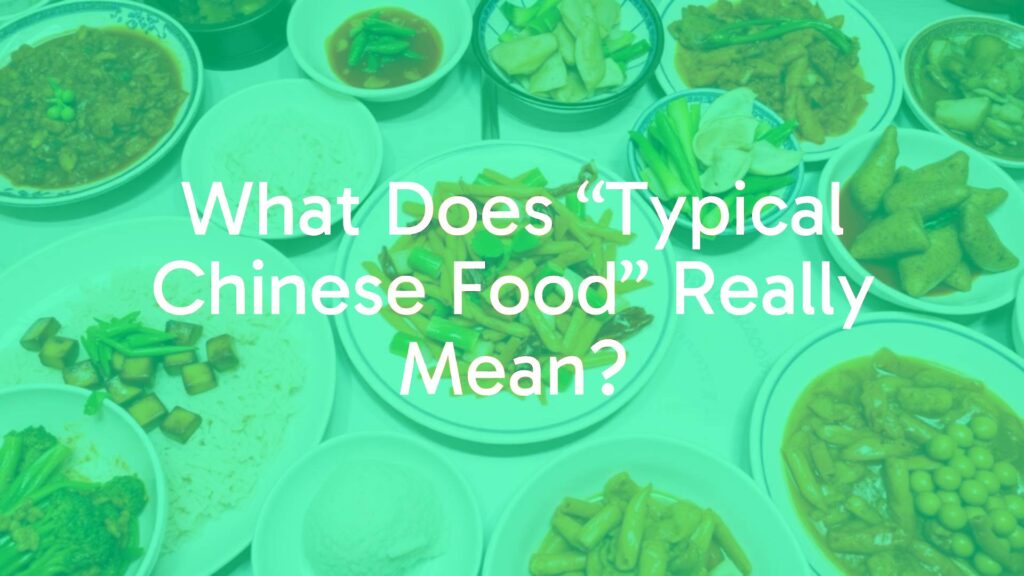
What does “typical Chinese food” really mean? The answer is much more varied and interesting than the simple image many people outside China might have-like sweet and sour pork or fortune cookies. In truth, Chinese food is a huge collection of cooking styles, shaped by thousands of years of history, varied landscapes, and a strong pride in cooking well. Chinese food is an important part of the culture and is loved for its long past, special features, many styles, and careful making. Good Chinese cooking focuses on balance, freshness, and harmony. It is closely related to Chinese medicine and the yin-yang idea of keeping the body in balance.

Rather than thinking of just one “Chinese food,” imagine many different local styles, each with its own flavors, favorite ingredients, and ways of cooking. From the spicy food of Sichuan, to the light tastes of Jiangsu, and the fresh, savory dishes of Cantonese cooking, the variety is huge. Traditional Chinese food is not just about filling your stomach; it’s meant to be enjoyed through color, smell, taste, and its look. The meaning and the look of the food matters, too. Chinese food has also changed cooking in other parts of Asia and around the world, as people adapt it wherever Chinese communities settle. This has helped give Chinese food a big influence across the world.
What Defines Typical Chinese Food?
Main Features of Chinese Cuisine
Chinese food brings together ideas and practical skills, with each dish having its own story. Using fresh, local, and seasonal ingredients is very important, rather than relying on preserved, canned, or frozen foods. People spend time choosing the best seafood, vegetables, and meat at markets, often making daily trips. For the Chinese, freshness means seafood is still alive, vegetables are bright, and even cooked items like BBQ duck or dim sum are served hot and shiny, showing they were made just moments ago.
Balance is a key value of Chinese cooking. It is not just about matching tastes like sweet, sour, salty, bitter, and spicy, but also about keeping a balance between hot, warm, cool, and cold foods, and matching the “Five Tastes.” Food is thought to help keep the body’s energy (“qi”) in order. When someone is sick, changes in the diet can help bring the body back to health. In Chinese cooking, it’s important to use the right ingredients, cut them well, cook them just long enough, and season them with care. All these things are needed to make a dish that not only tastes great, but also supports health.

Mixing Flavors and Cooking Styles
Chinese food stands out for mixing different flavors well. Salt is mostly added with soy sauce while cooking, rather than at the table, to make sure the flavors come together. Many other taste layers come from things like fermented black beans, chili pastes, and lots of spices. Dishes can be spicy, savory, sweet, and tangy at the same time, with a deep umami taste.
There are also many ways to cook Chinese food, such as stir-frying, deep-frying, steaming, roasting, braising, stewing, and boiling. Each method brings out something special in the ingredients. For example, Jiangsu cooking often stews and braises food to make it soft and tasty, while Sichuan food uses stir-frying and even baking. Stir-frying is the most well-known Chinese cooking method, but it is just one of many. This variety lets the many different textures-crispy, soft, rich, or smooth-all have their place in Chinese meals.
What Are the Main Regional Cuisines in China?
China’s large size, changing climates, long history, and local traditions all help create a huge range of regional foods. There are many local styles, but the eight main food traditions-sometimes called the “Eight Great Cuisines”-stand out. These main groups come from real differences in local weather, available food, history, and what people like to eat and how they like to cook. So, any description of “typical Chinese food” has to include the mix of these different local styles.

During the Qing dynasty, four big groups were most praised: Sichuan (Chuan), Shandong (Lu), Cantonese (Yue), and Jiangsu (Huaiyang), covering west, north, south, and east China. In the late 1900s, the list was expanded to eight. The chart below gives an overview of each major style:
| Cuisine | Main Region | Main Flavors | Common Techniques | Main Ingredients |
|---|---|---|---|---|
| Cantonese (Yue) | Guangdong | Light, fresh, and savory | Steaming, stir-frying, roasting | Seafood, poultry, vegetables |
| Sichuan (Chuan) | Sichuan | Spicy, numbing, bold | Stir-frying, braising, poaching | Chili, Sichuan peppercorns, poultry, vegetables |
| Shandong (Lu) | Shandong | Savory, crisp, clear | Roasting, stir-frying, deep-frying | Seafood, noodles, wheat |
| Jiangsu (Su) | Jiangsu | Delicate, mild, sweet | Braising, simmering | Seafood, poultry, tofu |
| Fujian (Min) | Fujian | Fragrant, brothy, umami | Stewing, braising, steaming | Seafood, mushrooms, bamboo shoots |
| Zhejiang (Zhe) | Zhejiang | Fresh, soft, fragrant | Steaming, stir-frying, braising | Fish, bamboo shoots, tea |
| Hunan (Xiang) | Hunan | Hot, sour, rich | Stir-frying, stewing, smoking | Chili, smoked meat, fresh herbs |
| Anhui (Hui) | Anhui | Hearty, rustic, herbal | Stewing, braising, smoking | Wild herbs, bamboo, mushrooms |
Cantonese (Yue): Light, Fresh Taste
Cantonese food comes from Guangdong and is known worldwide. Its popularity comes from its focus on fresh food and careful cooking. Chefs value using the best, freshest food, especially live seafood. Food is never overcooked, and soups play a special role, often boiled for hours for deeper taste. Famous dishes include char siu (BBQ pork) and an endless variety of dim sum.
Sichuan (Chuan): Spicy and Numbing
Sichuan food from southwest China is famous for its hot and spicy flavors, using chili and Sichuan peppercorns for a mouth-tingling, “numbing” feeling. Well-known dishes include Kung Pao Chicken and Ma Po Tofu, each offering a mix of tastes like sour, spicy, sweet, and salty. Sichuan cuisine is bold and gives each bite lots of flavor.
Shandong (Lu): Savory and Seafood-Focused
Shandong cooking is from the northern coast and is one of the oldest Chinese food styles. It makes use of seafood, noodles, and clear broths. Wheat-based foods such as noodles and buns are also common. One well-loved dish across China is Zhajiangmian, noodles with a thick, savory sauce.
Jiangsu (Su): Soft, Slightly Sweet, Beautifully Presented
Jiangsu food, from eastern China, is famous for its graceful looks and soft, slightly sweet taste. The cooking methods (like braising and stewing) focus on making meat tender and broths full of taste. Dishes such as soup with finely sliced tofu (Dazhu Gansu) and xiaolongbao (soup dumplings) are good examples of this elegant style.
Fujian (Min): Light and Brothy
Fujian food, from China’s southeastern coast, features light soups, seafood, and the gentle use of spices for nice smells. Broths are slow-cooked for taste. Red yeast rice gives a special color and tangy flavor to some foods. Seafood and mushrooms are common.
Zhejiang (Zhe): Simple, Soft, and Fragrant
Zhejiang food uses lots of fresh, seasonal items in gentle ways-stir-frying or steaming-to keep the flavors clean and clear. Fish, bamboo shoots, and green tea (even in shrimp dishes) are often used. This style values natural taste and lightness over strong seasoning.
Hunan (Xiang): Spicy and Strong Flavors
Hunan food is famous for being even spicier than Sichuan, with bold chili heat, sour, and rich flavors. Stir-frying, stewing, and smoking are popular methods. Signature dishes include Chairman Mao’s Red Braised Pork. The food is colorful, lively, and sure to wake up your taste buds.
Anhui (Hui): Hearty and Natural
Anhui food comes from a mountain area and is known for hearty dishes that use wild plants and simple, earthy flavors. Stewing and braising bring out the best in bamboo shoots, mushrooms, freshwater fish, and poultry. The food is straightforward but satisfying, highlighting local resources.
What Are the Staple Foods in Typical Chinese Diets?
Grains are the main part of a typical Chinese meal and show the country’s long farming history. Long ago, people grew millet, rice, and other grains, and the main grain you eat depends on where you live. The “rice theory” says the north prefers wheat foods while the south eats more rice.
Rice: Most Important in Southern China
Rice is the number one food in southern China, where people first started growing it thousands of years ago. Steamed white rice is very common, and eating every last grain is seen as showing respect. Rice turns up in many forms: plain, in porridge (congee) for breakfast, as sticky glutinous rice in special dishes, and in drinks and vinegar. Brown rice is becoming more respected nowadays for health reasons.
Noodles and Wheat Products in the North
Northern China has cold weather and grows more wheat. Here, noodles, breads, pancakes (bing), dumplings (jiaozi), and steamed buns (mantou) are common. Noodles come in many styles, served in soup or stir-fried. Some, like “longevity noodles,” even have special meanings for birthdays, as their length stands for a long life.

Buns, Dumplings, and Pancakes
Chinese buns (baozi), dumplings, and pancakes are loved all over the country. Jiaozi are made by wrapping meat and vegetables in dough and are eaten year-round, especially at New Year’s for luck. Baozi are steamed buns with sweet or savory fillings and are a favorite breakfast. Xiaolongbao (soup dumplings) are famous for their juicy filling. Pancakes, such as scallion pancakes, and flatbreads are also eaten as snacks or part of a meal.
What Are Typical Ingredients and Seasonings in Chinese Cooking?
The flavor of Chinese food comes from mixing many different seasonings and using fresh ingredients. Herbs, spices, vegetables, and meats combine in unique ways for each dish. Different regions use local crops and traditions, but some staples are common nearly everywhere. This diverse “toolkit” gives Chinese dishes much of their taste and smell.
Main Sauces: Soy Sauce, Vinegar, Oyster Sauce
- Soy Sauce: Adds saltiness and umami. Used mainly in cooking.
- Vinegar: Rice vinegar provides tartness. Black vinegar offers a deep, rich flavor.
- Oyster Sauce: Common in southern China, gives dishes a savory and slightly sweet taste, especially in stir-fries and vegetables.
- Other sauces: Hoisin, black bean, and yellow bean sauce, made from fermenting soybeans, bring extra depth and richness to food.
Fresh Herbs and Aromatics
- Ginger, garlic, and scallions are the most-used base flavors. They start many dishes and bring freshness.
- Cilantro is often added just before serving for a fresh, green flavor.
- Other herbs (like smartweed) may be used in special regional dishes.
Vegetables and Meat
Common vegetables include bok choy, Chinese eggplant, Chinese broccoli, snow peas, lotus root, bamboo shoots, and mushrooms. Fresh and pickled versions are eaten, and in cold places, vegetable are dried or fermented.
Pork is the most eaten meat in China. Chicken and beef are also popular, along with duck, lamb, and seafood. Meat is usually sliced or chopped into small pieces to make it go further in a dish. Some parts of the animal are used for special health beliefs, but rare ingredients are mostly for banquets or special occasions.
Famous Spices
- Five-spice powder: A mix of Sichuan peppercorn, cloves, cinnamon, fennel, and star anise. Common in braised or roasted meats.
- Sichuan peppercorns: Not spicy but give a numbing feeling, used in Sichuan cooking.
- Star anise: Used in stews and braises for a sstrong, sweet flavor.
- White pepper: Preferred over black pepper for its gentle heat.

Which Iconic Dishes Represent Typical Chinese Food?
Certain dishes stand out as symbols of Chinese cooking and are enjoyed all over China and the world. Each one comes from a certain region and shows key ideas like mixing flavors, interesting textures, and cultural rituals. Here is a quick list of some of China’s most famous dishes:
| Dish | Main Ingredients | Region Origin | Features |
|---|---|---|---|
| Peking Duck | Duck, pancakes, hoisin sauce, scallions | Beijing | Famous for crisp skin, eaten with thin pancakes and sauce |
| Kung Pao Chicken | Diced chicken, chili, peanuts | Sichuan | Spicy, slightly sweet, with numbing peppercorns |
| Sweet and Sour Pork | Pork, peppers, pineapple, sweet-sour sauce | Cantonese | Bright, tangy, with colorful sauce and tender fried meat |
| Ma Po Tofu | Tofu, ground pork or beef, chili bean sauce | Sichuan | Soft tofu in spicy, numbing sauce |
| Hot Pot | Meat, seafood, vegetables, broth | Chongqing/Sichuan | Cook food at the table in simmering soup |
| Dim Sum | Various small steamed or fried snacks | Cantonese | Served with tea, variety of bite-sized dishes |
| Dumplings (Jiaozi) | Minced meat, vegetables, flour wrapper | North China | Boiled, steamed, or fried; symbolic at New Year |
| Char Siu | Pork, honey, five spice, hoisin sauce | Cantonese | Barbecued, reddish, savory-sweet roasted meat |
| Chow Mein & Fried Rice | Noodles/rice, meat, eggs, vegetables | All Regions | Stir-fried staples, adaptable for any meal |
Other well-loved dishes: wonton soup (light soup with meat dumplings), xiaolongbao (soup dumplings with thin wrappers), and zhajiangmian (noodles with soybean paste).

What Are Common Chinese Desserts, Snacks, and Beverages?
Chinese meals don’t often finish with heavy, sweet desserts. Instead, lighter treats-such as fresh fruit, sweet soups, or mild baked items-are common. Chinese sweets are less sugary and less greasy than those in the West.
Popular Desserts
- Mooncakes: Round, rich pastries with fillings like lotus seed paste, eaten during the Mid-Autumn Festival.
- Sesame Balls (Jian Dui): Sticky rice flour fried balls with sweet bean paste, coated in sesame seeds.
- Rice pudding and sweet soups: Usually made from sticky rice, beans, and dried fruits.
- Baked and steamed pastries (bing and su): With sweet or savory fillings.
Tea
Tea is the main drink in China and is drunk at all social levels. There are many types: green, black, white, oolong, and more. At meals, especially in southern China with dim sum, tea always comes with the food. Tea is also a daily habit, and people carry bottles of tea wherever they go. Tea drinking is not just about thirst-it is a way to relax and socialize, often paired with snacks like nuts or dried fruit.
Street Food and Snacks
Street foods and small snacks are part of everyday life in China. Baozi, jiaozi, fried pancakes, noodles, grilled meat skewers, and various cakes are sold everywhere. Each region has its own favorites, and these snacks are quick, cheap, and tasty. Some famous examples are jianbing (savory crepe) and roujiamo (Chinese-style burger).
How Is Food Served and Eaten in Traditional Chinese Meals?
Eating in China is about more than just food-it is a social tradition full of meaning. Meals are shared, and there are many rules to show respect and encourage harmony and family togetherness.
Table Manners and Traditions
- Wait for elders to start eating before you do.
- Don’t hold rice bowls from the bottom (seen as bad luck).
- Use chopsticks properly-don’t stick them upright in rice or wave them around.
- Take food from the dish in front of you, don’t stare at other plates, and thank older people if they offer you food.
- Avoid watching TV or looking at phones during meals; talking to others is encouraged instead.
Sharing Dishes and Banquets
A typical Chinese meal features shared plates in the middle of the table, not individual servings. This lets everyone try more dishes and creates a sense of connection. Special feasts, called banquets, include many dishes (often 10-12), with starters, lots of mains, soup, and usually fruit or light dessert at the end. Banquets mark festivals, weddings, or special visits, and show the high value placed on treating guests well.