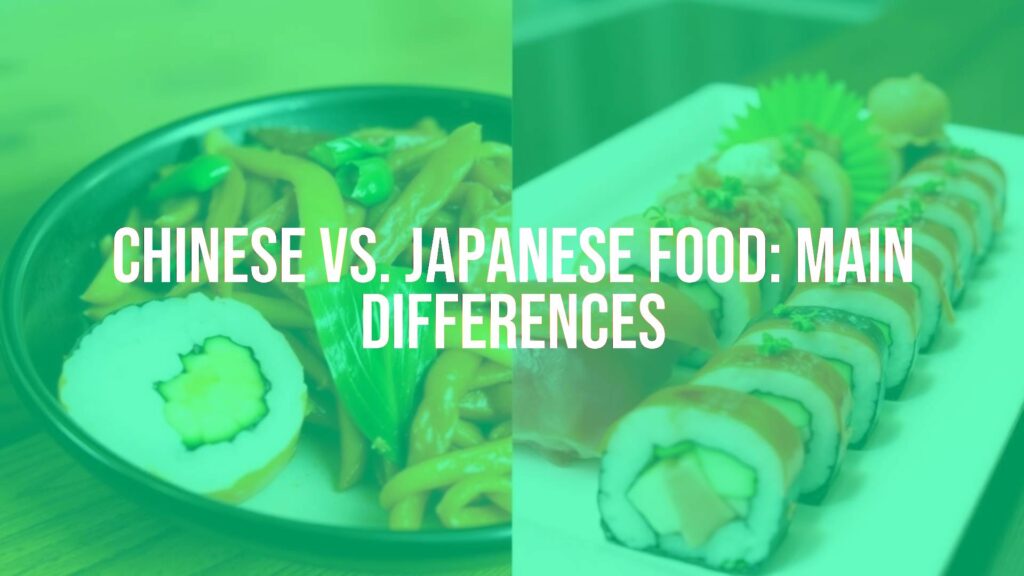
Chinese and Japanese cuisines are both loved around the world for their tasty dishes and unique cooking styles, but they differ in many ways. While they both use rice and noodles as staples and value fresh ingredients, the way they prepare and present food sets them apart. Chinese food is known for its strong flavors, varied textures, and group dining, while Japanese food focuses on clean, simple tastes and careful, attractive presentation. In this article, we’ll look at what makes these two food cultures different by comparing their ingredients, region-specific dishes, cooking techniques, and eating customs.

Chinese vs Japanese Food: Main Differences
What sets Chinese and Japanese food apart?
Chinese and Japanese food are different in many ways, from the ingredients they use to their cooking and eating habits. Chinese food is known for its intense, complicated flavors, often using a mix of seasonings like soy sauce, oyster sauce, sesame oil, garlic, ginger, and chili peppers. A typical Chinese meal might include a mix of sweet, sour, salty, bitter, and umami tastes all in the same dish. Food is usually shared with everyone at the table, which creates a friendly and lively atmosphere.
Japanese food, on the other hand, values simplicity and the true taste of each ingredient. Less seasoning is used, so things like soy sauce, miso, mirin, dashi, and wasabi bring out the natural flavors rather than cover them up. Dishes are arranged carefully and individually, often showing off the beauty and the seasonality of the ingredients. Japanese meals are often lighter, with less oil, and food is usually served as single portions.
Do Chinese and Japanese foods have things in common?
Yes, there are some things both have in common. Both Chinese and Japanese meals rely on rice and noodles as everyday foods, though they often use different types. Soy sauce is a key flavoring in both, although how it’s made or used may change. Fresh ingredients matter a lot in both traditions-seafood, vegetables, and tofu are all used often. They also share some cooking techniques like stir-frying, steaming, boiling, and deep-frying, though how often or how they do these things may vary. Over time, ingredients and cooking ideas have moved back and forth between the two cultures.
Regional Food Styles in China and Japan
How do China’s regions change what people eat?
China’s large size and mix of cultures mean that its food changes a lot from place to place. There are eight main food regions in China, each known for certain flavors or ingredients. For example:
- Sichuan: Spicy and numbing foods (Kung Pao Chicken, Mapo Tofu)
- Cantonese: Lighter, sweeter tastes and lots of steamed dishes (Dim sum, BBQ pork)
- Northern China: More wheat-based foods like noodles and dumplings
- Eastern China (Shanghai): Sweet and sour flavors, soup dumplings
- Coastal regions: More seafood in their dishes
Each area uses local ingredients, weather, and history to shape its dishes, so “Chinese food” covers a huge range of flavors and styles.

How do Japanese regions influence their food?
Japan also has many regional food styles. Different parts of the country use local foods and have their own way of preparing dishes:
- Tokyo/Kanto area: Known for sushi and sashimi, with stronger flavors in broth
- Osaka/Kansai area: Subtler flavors, lighter soy sauce, famous for street foods like okonomiyaki and takoyaki
- Hokkaido (north): Rich miso ramen, dairy, and seafood
- Kyoto: Delicate kaiseki meals (multi-course dishes showing off seasonal foods)
This means eating in Japan can feel different depending on where you are, with each region offering special favorites.
Key Ingredients and Tastes: China vs Japan
What foods are common in Chinese cooking?
The basics of Chinese cooking are rice and noodles. Long-grain rice is popular, especially in the south, and noodles made from wheat or rice are used widely-stir-fried, in soup, or as main dishes. Everyday flavors often come from garlic, ginger, and scallions (green onions), along with soy sauce. Common vegetables include bok choy, cabbage, and mushrooms. Meantime, pork, chicken, and beef are the top meats but often cut into small pieces to mix easily with vegetables. Tofu is another important part of many Chinese dishes.
What staple ingredients are found in Japanese food?
Japanese cooking also relies on rice and noodles but uses short-grain sticky rice, often plain or as sushi rice. Seafood is extremely important, eaten raw or gently cooked. Key seasonings are soy sauce (usually milder), miso, sake (rice wine), mirin (sweet rice wine), and dashi (broth from seaweed and fish flakes). Wasabi and nori (seaweed) are key, and typical vegetables include daikon radish, mushrooms, and various greens. Foods are selected and cooked to keep their natural flavors.
How do flavors compare between Chinese and Japanese dishes?
Chinese dishes are usually bold and multi-layered, blending many flavors in the same bite-from fiery Sichuan peppers to sweet-and-sour sauces and rich braised meats. Japanese food is more restrained and gentle. Flavors are subtle and fresh, aiming to keep the ingredient’s real taste with just a hint of umami from things like soy sauce or dashi. In short, Chinese food is strong and mixed; Japanese food is light and clean.
Which spices and seasonings make Chinese and Japanese cuisines unique?
| Chinese Cuisine | Japanese Cuisine |
|---|---|
|
|

How important are sauces in each cuisine?
Sauces are a main part of Chinese cooking. They’re added during cooking or poured over dishes, creating strong and often spicy or savory tastes-think hoisin, oyster sauce, black bean sauce, vinegar blends, and more. In Japanese food, sauces are usually gentler and served on the side or used lightly-like soy sauce for dipping, ponzu (citrus soy), or light tempura sauce. They highlight, not hide, the main flavors.
Cooking Methods and Tools
What cooking styles are typical in Chinese kitchens?
Chinese cooking uses high heat and fast methods for most meals. Stir-frying in a wok is a favorite for locking in taste and color. Deep-frying is popular for crunchy foods like spring rolls or sweet and sour pork, and the batter is usually thicker than in Japanese tempura. Steaming is used for delicate dishes like fish or steamed buns. Braising and roasting add rich flavor to meats. There’s a big focus on a mix of textures, from crispy to soft.
What cooking techniques are central in Japanese food?
Japanese cooking uses simple techniques to keep the taste and look of food as natural as possible. Grilling, boiling, simmering, and steaming are all common. Sushi and sashimi need careful slicing and arrangement. Japanese kitchens use tools like the tamagoyaki pan (for rolled omelets), sharp sushi knives, deep pots for tempura, and grills for yakitori. Dishes are rarely greasy, often using little oil.
How are rice and noodles cooked differently in China and Japan?
| Chinese | Japanese |
|---|---|
|
|
Is Japanese tempura the same as Chinese deep-frying?
No. Both use hot oil and a batter, but Chinese frying often uses a thicker batter that gets crunchy and works well with heavy sauces. Japanese tempura has a very light batter, mixed quickly and fried at just the right temperature so the result is thin and crispy. Tempura is served fresh with a light dipping sauce, not smothered in sauce. In Japan, the texture and taste of the main ingredient still come through, while Chinese fried foods are often more robust, with stronger seasonings.
Famous Foods: Chinese and Japanese Dishes
Which dishes are most well-known from China?
- Peking duck: Crispy and juicy roasted duck with pancakes and hoisin sauce
- Kung Pao chicken: Stir-fried chicken, peanuts, and chili
- Mapo tofu: Spicy tofu with minced meat
- Dim sum: Bite-sized snacks like dumplings, buns, and pastries, usually served with tea
- Fried rice: Stir-fried rice with eggs, vegetables, and meat/seafood
- Spring rolls, noodles, hotpot
What Japanese foods are popular worldwide?
- Sushi: Rice with raw or cooked fish, vegetables, or egg
- Sashimi: Thinly sliced raw fish
- Ramen: Wheat noodles in richly flavored broth with toppings like pork or egg
- Tempura: Lightly battered and fried seafood/vegetables
- Tonkatsu: Breaded, deep-fried pork cutlet
- Yakitori: Grilled chicken skewers
- Miso soup: Soup with miso paste, tofu, seaweed

How do sushi and dim sum differ?
| Sushi (Japan) | Dim Sum (China) |
|---|---|
|
|
How are desserts different in each cuisine?
Chinese desserts often include red bean paste, fruits, and sometimes fried or baked foods, with moderate sweetness. Examples are mooncakes, sesame balls, egg tarts, and tangyuan (sweet rice balls). Japanese desserts are typically lighter and focus on natural flavors and pretty presentation. Mochi (rice cakes), matcha-flavored treats, dorayaki (red bean pancakes), and anmitsu (fruit jelly with beans) are common, usually less sweet than Western desserts.
How is seafood cooked in China and Japan?
- Japanese: Seafood is often eaten raw (sushi, sashimi) or barely cooked (grilled, steamed). Cooking is simple to keep the seafood’s real taste.
- Chinese: Seafood is cooked with more seasoning (stir-fried with garlic and ginger, steamed with soy and aromatics, or deep-fried in thicker batters). Flavors are stronger and more blended with other ingredients.
Serving and Table Manners
What’s different about food presentation?
Japanese meals are known for neat, minimal presentation and paying attention to color and shape-food is put in small bowls and plates, arranged like art. Everything looks balanced and calm. Chinese meals look more abundant, with large shared dishes placed in the middle, and less focus on single-portion plating. It’s about offering plenty for everyone to enjoy together.

What are the main dining habits in each country?
- Both use chopsticks and share the rule: don’t stick them upright in your rice.
- Chinese: Eating is lively-dishes are shared, hosts may put food on your plate, conversation is cheerful and sometimes loud.
- Japanese: Meals are usually served in individual sets, and eating is quieter. You’re expected to finish everything on your plate. Slurping noodles is normal-and seen as a compliment. It’s polite to say “itadakimasu” before and “gochisousama deshita” after eating.
How do people think about food and eating?
- In China: Food brings people together. Meals are social events, where sharing and variety matter most. There’s a big focus on using all parts of ingredients and creating plenty of dishes to enjoy.
- In Japan: Food is seen as art and a way to honor nature. The focus is on harmony, balance, and respecting ingredients. Eating is calm and often done quietly, with everyone appreciating the beauty and taste of the meal.
Health and Nutrition
Is one cuisine healthier than the other?
Japanese food is often seen as healthier overall, mainly because it uses less oil and includes lots of seafood, vegetables, and fermented foods. Portions are smaller and dishes are usually boiled, steamed, or grilled. Chinese food can be very healthy too, with lots of vegetables, tofu, and steamed foods, but some popular dishes use more oil and sodium, especially from sauces or deep-frying. Both offer healthy options-choose stir-fried, steamed, or grilled items with plenty of vegetables for the best nutrition.
What are the nutritional strengths?
| Japanese Diet | Chinese Diet |
|---|---|
|
|
Culture and History
How do China and Japan influence each other’s foods?
For a long time, China and Japan have both borrowed and adapted each other’s food ideas. China introduced rice, tea, and soybeans to Japan, helping Japanese cuisine develop key ingredients like tofu and soy sauce. Buddhist eating habits from China introduced more plant-based foods in Japan. Later, Japan adapted Chinese noodle soups into ramen and turned dumplings into Japanese gyoza. Today, both countries still influence each other, as well as world cuisine, with fusion dishes everywhere.
How have travel and exchange shaped these foods?
When people, ideas, and goods moved between China, Japan, and other countries, food changed to fit new tastes. In Japan, Chinese migrants helped create Japanese-Chinese dishes like ramen and fried rice, often lighter than in China. Chinese migrants abroad have also adapted their recipes to local ingredients, leading to new versions of classic dishes. The same has happened with Japanese food, as sushi, ramen, and tempura have become international favorites-sometimes with new twists to suit different palates.
Common Questions about Chinese vs Japanese Food
How does Japanese miso compare to Chinese soy paste?
Both are fermented soybean pastes, but they’re different. Japanese miso is often made with rice or barley plus soybeans, and can be light (sweet) or dark (strong). It is used for soup, marinades, and sauces, adding gentle umami flavor. Chinese soybean pastes come in many varieties, like spicy doubanjiang (with chili) or sweet tianmianjiang, and have bolder tastes. Chinese pastes are a key part of sauces for stir-fries and stews. Miso and soy paste aren’t usually interchangeable.
What’s different between Japanese ramen and Chinese noodles?
Ramen started as a Chinese dish, but in Japan it developed rich, deeply flavored broths and special toppings. Japanese ramen noodles are usually thin and springy, and broths are made from pork bones, miso, soy, or salt, served with items like pork and egg. Chinese noodle dishes use more types of noodles and have a wider variety of soups and toppings, with lighter broths and stronger sauces. The main focus in ramen is often on the soup itself, while in Chinese dishes, the noodles or mix-ins might stand out more.
Which meats are used most in each cuisine?
| Chinese Cuisine | Japanese Cuisine |
|---|---|
|
|
Why is tea important in both food cultures?
Tea is a big part of eating in both countries. In China, tea is a daily drink, served with meals or in tea houses, and comes in many types. It’s seen as helping digestion and welcoming guests. In Japan, green tea is the main type, with its own special tea ceremonies, and it’s often served with meals or sweets. Both countries see tea as healthy and as a way to show respect and hospitality.
How to Choose: Which Cuisine Fits You?
How do you know if you’ll like Chinese or Japanese food more?
Pick Chinese food if you want bold, hearty flavors, enjoy trying lots of dishes at once, and don’t mind a bit of spice or oil. It’s good for eating together with family or friends. Go for Japanese if you prefer clean, light tastes, lots of seafood, neat presentation, and smaller portions. Japanese food fits those who like meals made with care, less seasoning, and an individual plate for each person.
How can you enjoy authentic Chinese and Japanese meals?
- Try places that cook regional dishes-not just general “Chinese” or “Japanese” food. For example, seek out real dim sum places or ramen shops.
- Be open to dishes that might look unfamiliar. Authentic Chinese meals often feature more veggies, different meats, or unique spices than usual take-out.
- Share dishes at Chinese restaurants to taste a range of flavors. Notice how each dish mixes taste and texture.
- In Japanese places, look for freshness-especially with sushi and sashimi-and pay attention to how food is arranged. Try set meals like ichiju-sansai (rice, soup, main, and sides).
- In both cuisines, enjoying a meal is more than just eating-notice the way dishes are served, the customs, and the atmosphere.
