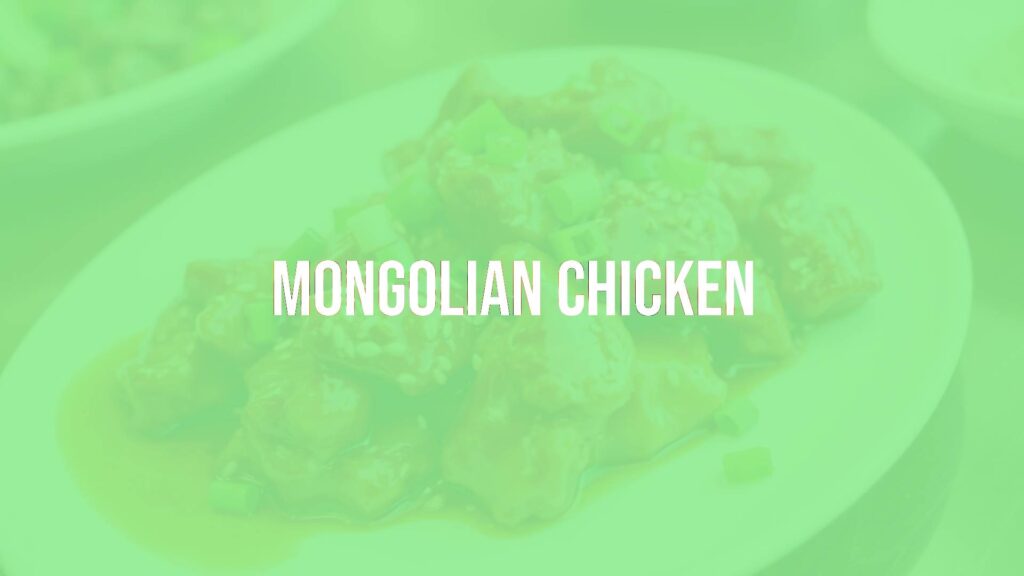
What is Mongolian Chicken?
Mongolian chicken is a flavorful dish you’ll often find at Chinese-American restaurants. It features thin pieces of chicken, usually from the breast or thigh, which are coated in cornstarch, fried until crispy, and then tossed in a sweet and salty sauce. Even though the name suggests a connection to Mongolia, this dish comes from Chinese-American cooking and not from Mongolian food traditions.
To make Mongolian chicken, thin slices of chicken are coated in cornstarch and fried so they turn crispy. After frying, the chicken is mixed in a sauce made from ingredients like garlic, ginger, soy sauce, brown sugar, and green onions. This dish is quick to make and offers a mix of sweet, savory, and sometimes slightly spicy tastes.

Background and Influences
Mongolian chicken and Mongolian beef both use the word “Mongolian,” but neither is a real Mongolian recipe. These dishes were created by Chinese-American chefs trying to make Chinese food enjoyable for Americans. The label “Mongolian” likely comes from the Mongolian barbecue cooking style, which started in Taiwan. This cooking method involves frying food at high temperatures, but otherwise, these dishes have little to do with Mongolia.
This dish shows how food traditions can change over time, blending Chinese cooking methods with ingredients popular in America. Now, Mongolian chicken is a common takeout option and a good example of how recipes can adapt when moving from one country to another.
Mongolian Chicken vs. Mongolian Beef
Both dishes use a similar sauce and cooking process, but the main difference is the meat. Mongolian beef is usually made with thin-cut steak, giving it a tender and rich flavor. Mongolian chicken uses either chicken breast or thighs. The chicken is coated and fried for a crispy edge, which offers a crunchy contrast to the sticky sauce. Some people like the chicken version better because of the crispy outside and how the sauce sticks to the meat. The choice of meat changes the texture and overall feel of the dish, even if the sauce stays mostly the same.
Main Flavor Notes
Mongolian chicken tastes both sweet and salty. Brown sugar and soy sauce are the main ingredients in the sauce, giving it both depth and a clear sweetness. Garlic and ginger bring extra aroma and warmth, and sesame oil adds a nutty taste. If a little heat is wanted, a bit of chili sauce like Sriracha or some red pepper flakes can be added. Overall, it’s a simple balance of sweet, salty, and mildly spicy flavors.
Main Ingredients in Mongolian Chicken
This dish doesn’t need many ingredients, but putting them together creates a meal packed with flavor. The essentials are chicken, a coating for crispiness, and the sweet-savory sauce. Aromatic ingredients like garlic, ginger, and green onions help build the taste, while green onions also make a great garnish.

Main Ingredients and Their Purposes
- Chicken: Use boneless, skinless chicken breast or thighs. Breast cuts are lean and easy to slice, while thighs are juicier and less likely to dry out.
- Cornstarch: Coating the chicken with cornstarch helps make it crisp during frying and thickens the sauce later.
- Oil: Use a neutral oil like vegetable, peanut, or avocado oil for frying since it can take high heat without burning.
- Garlic, Ginger, Green Onions: These add flavor in the sauce and as garnish. Use both the white and green parts of green onions; the white for cooking and the green for topping.
Basic Mongolian Sauce Ingredients
- Soy Sauce: Brings out the salty, umami flavor. For a milder taste, use low-sodium soy sauce or mix light and dark soy sauces for more color.
- Brown Sugar: Adds sweetness and a touch of molasses flavor. Dark brown sugar gives stronger caramel notes.
- Sesame Oil: Gives a nutty aroma. Use near the end of cooking to keep its flavor strong.
- Water or Chicken Stock: Helps dissolve the sugar and adjust the thicker sauce.
- Cornstarch Slurry: Mixing cornstarch with cold water thickens the sauce so it sticks to the chicken.
Some recipes also call for ingredients like Sriracha (for spice), rice vinegar (for a bit of tang), or hoisin sauce (for sweetness). The sauce is easy to adjust to your taste.
Ingredient Choices and Substitutions
One of the best things about making Mongolian chicken at home is how flexible it is. You can swap ingredients based on what you like, need to avoid, or have in your kitchen.
Best Chicken Parts To Use
- Chicken Breast: Quick to cook and stays lean. Easier to crisp, but can be dry if overcooked.
- Chicken Thighs: Tender, juicy, and harder to overcook because of their higher fat content. Many cooks prefer thighs for this reason.
Vegetables to Include or Add
Traditionally, only green onions are used. But other vegetables can add nutrition, color, and crunch:
- Zucchini
- Water chestnuts
- Carrots (sliced)
- Broccoli florets
- Mushrooms (cremini, shiitake)
- Red bell peppers
- Snap peas or snow peas
- Onions or bok choy
Heavier veggies like broccoli and carrots should be blanched or stir-fried first so they cook through but stay crisp.

Sauce Swaps and Variations
- Soy Sauce: Gluten-free? Use tamari or coconut aminos for a different flavor. Low-sodium types keep salt levels down.
- Brown Sugar: Honey can replace brown sugar if you want a different sweet flavor. You can also reduce the sugar to make the sauce less sweet.
- Sesame Oil: Skip if you don’t have it, but you’ll lose some nutty aroma.
- Garlic and Ginger: Fresh is best, but use pre-minced or powdered if needed.
- Chili Additions: Add red pepper flakes, Sriracha, or chili paste to taste if you want it spicy.
- Hoisin Sauce: Can add complexity but check for gluten if sensitive.
- Cornstarch: If needed, potato starch can do the same job.
- Stock vs. Water: Chicken stock will boost overall flavor.
Special Diet Options
- Gluten-Free: Use gluten-free soy or tamari, and skip or use gluten-free hoisin.
- Lower Sodium: Pick low-sodium soy sauce and add water or stock to adjust taste.
- Lower Sugar: Use less brown sugar or try honey. Test smaller amounts to see what you like.
- Vegetarian/Vegan: Use tofu, tempeh, or a plant-based chicken substitute instead. Make sure your sauce is fully plant-based.
- Other Proteins: Swap the chicken for shrimp, beef, or pork, using the same technique.
- Lighter Version: Try air-frying or baking the chicken. Chicken breast and extra veggies also make the meal healthier.
How to Make Mongolian Chicken
Mongolian chicken is fast and rewarding to make at home. With just a few steps, you’ll have a tasty meal ready in about 30 minutes. Here’s the basic process:
Step-by-Step Guide
- Slicing and Coating the Chicken: Cut chicken breast or thighs into thin (¼-inch) slices. For easier slicing, freeze the meat for 15-20 minutes first. Toss the chicken in cornstarch until each piece is covered.
- Frying: Warm oil in a pan or wok over medium-high heat. Once hot, fry the chicken in batches until golden and crispy (about 3-4 minutes per side). Put fried chicken on paper towels or a rack to drain extra oil.
- Mixing the Sauce: In a bowl, whisk together soy sauce, brown sugar, sesame oil, and water or stock. Optionally, add chopped garlic, ginger, Sriracha, or rice vinegar now.
- Cooking Aromatics: Pour out most of the oil from the pan, keeping a little. Add garlic, ginger, and the white parts of green onions. Sauté for 30 seconds until they smell strong. Add dried chili peppers if you want extra heat.
- Making and Thickening Sauce: Pour the prepared sauce into the pan. Once it simmers and the sugar has dissolved, add your cornstarch slurry (cornstarch mixed with a bit of cold water). Stir until the sauce thickens (about 30-60 seconds).
- Toss and Serve: Add the crispy chicken and green onion tops back to the pan. Stir gently to coat every piece. Remove from heat right away to keep the chicken crisp. Serve hot, usually with rice.

Chicken Prep Tips
- Slice Thin: Thinner pieces cook evenly and become crispier.
- Partially Freeze First: Makes slicing the chicken easier.
- Leave Slight Moisture: Don’t pat the chicken completely dry; a little moisture helps cornstarch stick.
- Even Coating: Use a bowl or plastic bag to coat all pieces well.
- Don’t Crowd the Pan: Fry chicken in batches to keep them crisp.
- Drain After Frying: Place finished chicken on paper towels or a wire rack.
Getting the Sauce Just Right
- Mix Slurry Well: Make sure the cornstarch is fully dissolved before adding to sauce.
- Add Slurry Bit by Bit: Pour in slowly and stir so you can watch how the sauce thickens.
- Simmer and Stir: Sauce should become glossy and thick in less than a minute.
- Test with a Spoon: The sauce is ready when it coats the back of a spoon.
- Act Fast: Toss chicken in thickened sauce and remove from heat quickly.
Helpful Kitchen Tools
- Large skillet or wok
- Measuring cups and spoons
- Mixing bowls
- Whisk
- Tongs or slotted spoon
- Wire rack
- Sharp knife
- Digital thermometer (optional)
Cooking Options and Other Versions
Although pan-frying is the standard, there are other ways to get crispy chicken or make the dish lighter.
Pan-Frying, Air Frying, and Baking
- Pan-Frying: Classic method, gets the crispiest chicken. Fry coated chicken in oil for a golden crust.
- Air Frying: Spray the air fryer basket and chicken with oil. Cook at 400°F for 10-14 minutes. Less oily but still crisp.
- Baking: Place chicken on a wire rack over a baking pan, spray with oil, and bake at 400°F until done. Works well with chicken thighs to prevent dryness.
Gluten-Free and Healthier Swaps
- Use gluten-free soy sauce and, if needed, gluten-free hoisin sauce. Cornstarch is already gluten-free.
- Cut down on oil by air frying or baking.
- Reduce sugar to taste or swap with honey.
- Pick low-sodium soy sauce.
- Add more vegetables for fiber and vitamins.
- Use chicken breast if you want less fat.
Common Variations
- Spicy Version: Add extra chili flakes, Sriracha, or minced chili pepper for heat.
- Extra Veggies: Mix in mushrooms, bamboo shoots, or spinach.
- Swap the Protein:
- Beef: Use thinly sliced steak.
- Shrimp: For a seafood option.
- Tofu: For a vegetarian meal.
- Pork: Thin pork slices also work well.
- Sauce Adjustments:
- Try rice vinegar for brightness.
- Add some hoisin for extra sweetness.
- A touch of Sichuan peppercorn for a unique sensation.
- Different Sweeteners: Use honey, brown sugar, or a mix to find your favorite taste.
Tips for Great Mongolian Chicken
Making a tasty, tender homemade Mongolian chicken is totally doable. A few key practices will keep the chicken juicy and the sauce just right.
How to Keep Chicken Tender
- Pick the Right Piece: Thighs are harder to overcook than breasts. Start with thighs if you’re worried about dryness.
- Slice Evenly: Thin, even pieces cook better and avoid dryness.
- Don’t Overcook: Fry chicken until just cooked. Overcooking = tough meat.
- Give Pieces Space: Don’t cram the pan. This helps them fry crisp and stay tender.
- Quick in Sauce: Toss chicken in sauce and remove from heat fast to keep the coating crisp.
- Baking Soda Trick: For extra tenderness, especially if using breast, toss chicken with a pinch of baking soda for 15-20 minutes, then rinse before coating.
How to Save Time
- Prep First: Chop and measure everything before starting to cook. The dish cooks fast, so being ready helps.
- Use Prepared Aromatics: Pre-minced garlic or ginger can save a few minutes.
- Slice Chicken Early: You can slice and store chicken ahead of time.
- Batch Cook: Fry a big batch and freeze some for quick future meals.
- One-Pan Cooking: Use the same pan for frying chicken and making sauce to cut down on cleaning up.
Serving Suggestions for Mongolian Chicken
Mongolian chicken works great as the main dish, but it goes very well with certain sides, which help balance out the meal.

Good Sides to Serve
- Steamed Rice: White or brown rice soaks up the sauce and balances flavors.
- Noodles:
- Chow mein or lo mein for a heartier side.
- Boiled plain noodles for a simple base.
- Zucchini noodles or cauliflower rice for a low-carb option.
- Vegetables:
- Steamed broccoli
- Asparagus
- Green beans
- Bok choy or Asian greens
- Snow peas or snap peas
- Fresh Salad: A small green salad with a light dressing cuts through the richness.
Garnishes and Toppings
- Green Onions: Sliced and sprinkled on top for crunch and color.
- Toasted Sesame Seeds: Add nutty flavor and crunch.
- Red Chili Slices: For color and spice. Remove seeds for less heat.
- Cilantro: Bright, herbal touch for those who like it.
- Fried Shallots or Garlic: For extra crispy texture and aroma.
For a full “takeout” style meal, add egg rolls, crab rangoons, egg drop soup, or potstickers.
Nutrition and Health Info
Mongolian chicken can be adjusted to suit both treat meals and everyday eating. Homemade versions, in particular, let you control oil, sugar, and salt.
Typical Nutrition Per Serving
| Nutrition | Typical Range (per serving) |
|---|---|
| Calories | 210-452 kcal |
| Carbohydrates | 19-46g |
| Protein | 20-32g |
| Fat | 5-15g (1-9g saturated) |
| Sodium | 733-1900mg |
| Sugar | 7-27g |
| Cholesterol | 36-93mg |
| Potassium | 295-652mg |
| Fiber | 1-2g |
| Vitamin A | 118-376 IU |
| Vitamin C | 3-45mg |
| Calcium | 18-44mg |
| Iron | 0.7-2mg |
The numbers above are only general estimates. To know exactly what’s in your meal, use the ingredient amounts you actually cook with.
How to Make it Healthier
- Lower Sodium:
- Use low-sodium soy sauce.
- Hold off on extra salt.
- Pay attention to portion sizes.
- Lighter Version:
- Air fry or oven-bake the chicken to use less oil.
- Pick chicken breast over thigh for lower fat.
- Cut down on sugar or use a sugar substitute.
- Add more veggies to fill out the meal.
- Serve with lighter sides like steamed veggies or vegetable-based “rice.”
How to Store and Reheat Mongolian Chicken
Leftovers are easy to keep for later meals if you store and reheat them the right way.

How Long Does It Last?
- Keep Mongolian chicken in the fridge up to 3-4 days (airtight container).
- Mark containers with the date so you know when you made it.
Can You Freeze It?
- Yes, Mongolian chicken freezes well. If possible, freeze chicken and sauce separately for best texture.
- Let the food cool before packing into freezer-safe containers or bags. Squeeze out extra air to prevent freezer burn. Label with the date.
- Use within 2-3 months for best flavor and texture. Thaw overnight in the fridge before reheating.
Best Ways to Reheat
- Microwave: Fast but can soften the chicken. Reheat in 1-2 minute intervals, stirring as needed.
- Stovetop: Good for keeping some crispiness. Add a bit of water/stock in a pan and heat gently.
- Oven/Toaster Oven: Best if sauce and chicken are separate. Spread on a tray, heat at 350°F for 5-10 minutes. Warm sauce on the stove and then mix.
Whichever way you choose, heat until it’s just hot-overheating will make the chicken dry.
Common Questions About Mongolian Chicken
Is Mongolian Chicken Spicy?
Usually, no. Mongolian chicken is more sweet and savory than spicy. But it’s easy to add Sriracha, chili flakes, or dried peppers if you want some heat.
Can You Make It Vegetarian?
Yes! Use tofu, tempeh, or store-bought meat substitutes instead of chicken. Coat and cook just like the meat version, and choose sauces that are vegan and vegetarian friendly.
Can You Prepare it in Advance?
- You can slice chicken and mix the sauce ahead of time.
- Chop the garlic, ginger, and green onions in advance.
- Fry the chicken just before serving for best crispiness. If making everything beforehand, know the chicken’s coating will be less crisp after being stored with the sauce.
