Introduction to Chinese Flower Tea
Chinese flower tea, also known as “huacha” (花茶), is a captivating and fragrant beverage that marries the finest virtues of tea leaves with the enchanting aromas and flavors of freshly picked flowers. Renowned for its delicate taste and cultural heritage, flower tea has held a cherished place in Chinese society for centuries, offering a unique drinking experience that delights the senses and soothes the mind.
What Sets Chinese Flower Tea Apart?
Unlike traditional teas made solely from the leaves of the Camellia sinensis plant, Chinese flower tea is typically crafted by infusing premium tea leaves, such as green or white tea, with fragrant edible flowers. The result is a harmonious blend where the subtle flavors of tea are enlivened with the natural essence of blossoms. Among the most popular flowers used are jasmine, chrysanthemum, osmanthus, magnolia, and rose, each contributing its signature aroma and healthful properties.
Crafting the Perfect Flower Tea
The creation of Chinese flower tea is an intricate art. Tea masters layer fresh blossoms with tea leaves—most commonly green tea—multiple times, allowing the tea to absorb the floral fragrance overnight. This process is repeated with fresh batches of flowers for days or even weeks. Once the tea leaves have absorbed the optimal aroma, the flowers are often removed, though some varieties retain the petals for both aesthetic and olfactory enjoyment. Each batch reflects the artistry and precision of the tea makers, ensuring a crisp, elegant finish that is neither overpowering nor underwhelming.
Flavor, Aroma, and Appearance
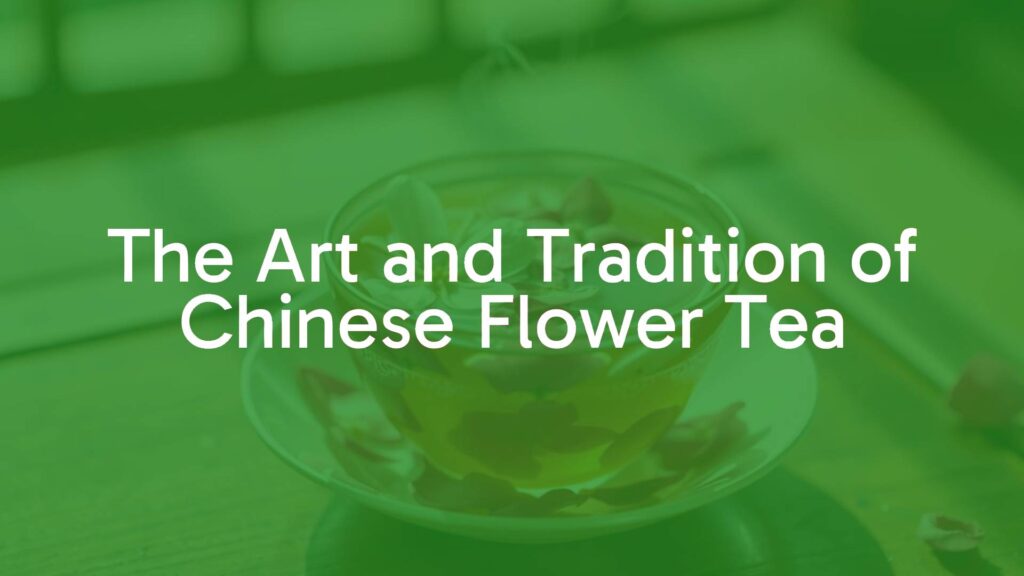
Chinese flower teas are celebrated for their mellow, refreshing flavors and alluring aromas. Jasmine tea is famed for its sweet, floral notes and lingering aftertaste, while chrysanthemum tea offers a gentle, honey-like bouquet. Osmanthus adds apricot-like nuances, whereas rose imparts a subtle, romantic fragrance. In the cup, flower teas are often pale gold or light green, and the inclusion of real flower petals makes for a visually elegant presentation.
Cultural Significance and Traditional Enjoyment
Flower tea holds a venerable place in Chinese culture, symbolizing refinement, hospitality, and the harmonious blend of nature and human artistry. Especially in regions like Fujian and Guangdong, offering flower tea to guests is a gesture of respect and warmth. In teahouses, the preparation of flower tea is often an artful performance that highlights the delicacy of the blossoms and the skill of the server. Drinking flower tea is not merely a matter of refreshment but a moment of sensory appreciation and thoughtful connection with tradition.
Potential Health Benefits
Chinese flower teas are frequently enjoyed not just for their taste but also for their reputed health-boosting properties. Jasmine tea is prized for its calming qualities and potential to support digestion, while chrysanthemum tea is popular for alleviating eye fatigue and offering cooling effects. Osmanthus and rose varieties are believed to aid in relaxation and skin health. While scientific studies are ongoing, many tea lovers turn to flower teas as a gentle means to promote well-being without caffeine-heavy stimulation.
Frequently Asked Questions and Tips
Can flower teas be enjoyed hot or cold?
Yes, Chinese flower teas are delicious both hot and iced. Brew lightly to preserve floral notes, and consider enjoying them chilled during summer months for a refreshing twist.
How should flower tea be stored?
Keep flower teas in airtight containers, away from moisture, light, and strong odors to maintain their delicate fragrance and flavor.
Are there caffeine-free flower teas?
Some blends, like pure chrysanthemum tea, contain no tea leaves and are naturally caffeine-free, making them a gentle choice for evening sipping.
Conclusion
Chinese flower tea embodies a unique fusion of nature, artistry, and tradition. Its exquisite fragrances, sophisticated flavors, and deep cultural roots make it a timeless beverage that continues to inspire tea drinkers around the world.
