Introduction to Wonton Soup
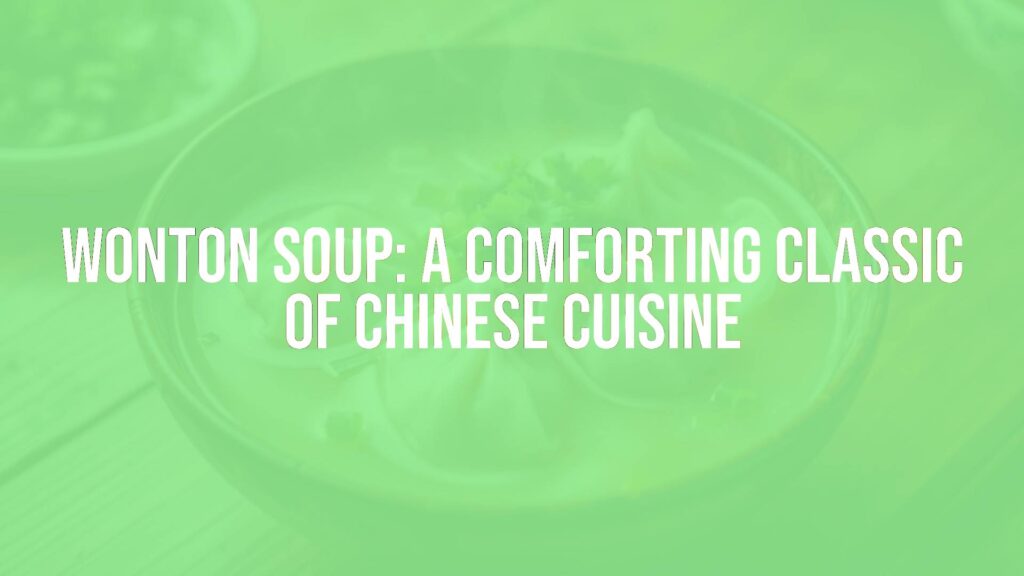
Wonton soup is a beloved staple of Chinese cuisine, renowned for its delicate dumplings nestled in a fragrant, clear broth. A dish that combines subtle flavors and satisfying textures, wonton soup is enjoyed across China and by Chinese communities worldwide as both a light appetizer and a comforting main course.
Signature Features of Wonton Soup
What makes wonton soup instantly recognizable is its combination of plump, silky wontons—small dumplings typically filled with finely seasoned minced meat and sometimes shrimp—served in a clear and aromatic broth. The soup is characterized by its lightness, a harmonious interplay between the tender wrappers, savory filling, and the clean-tasting soup. Garnishes such as chopped scallions, a dash of white pepper, or fresh cilantro often add brightness and freshness.
Historical Origins and Regional Relevance
The origins of wonton soup can be traced back centuries, with some records indicating its emergence during the Tang Dynasty. Wontons themselves have long symbolized prosperity, as their shape is reminiscent of ancient ingots or folded treasure. While the dish is enjoyed throughout China, it is especially prominent in southern regions such as Guangdong and Hong Kong—areas celebrated for refined soup and dim sum traditions. In these locales, the wonton’s delicate skin and nuanced broth are highly regarded as culinary hallmarks.
Essential Ingredients and Preparation
At the heart of wonton soup are two key components: the wontons and the broth. Wontons are typically made by wrapping a mixture of ground pork (sometimes blended with finely chopped shrimp), ginger, garlic, and Shaoxing wine in a thin sheet of flour-and-water dough. The broth is traditionally a clear, slow-simmered chicken or pork stock, subtly seasoned with soy sauce and aromatics but designed to remain delicate, letting the flavors of the wontons shine. Essential extras might include sliced mushrooms, leafy greens like bok choy, or even slivers of Chinese cured ham for added umami.
Variations and Substitutions
Wonton soup’s adaptability has resulted in many local and international interpretations. Fillings may include chicken, shrimp, and even vegetarian combinations featuring tofu and chives. In some versions, chili oil, pickled vegetables, or richer broths provide bold flavor twists. Gluten-free wrappers and alternative fillings are increasingly common in modern renditions to accommodate dietary preferences.
Serving Suggestions and Pairings
Wonton soup is enjoyed as a standalone meal or alongside other dim sum favorites. It pairs wonderfully with simple vegetable stir-fries, steamed rice, or cold appetizers. For beverages, mild Chinese teas such as jasmine or oolong complement the soup’s subtlety, while a light pilsner or rice wine offers a delicate contrast.
Conclusion
Wonton soup endures as a symbol of comfort in Chinese culinary tradition. With its elegant balance of texture and taste, it welcomes endless adaptation while holding fast to a sense of tradition, making it a perennial favorite of both home cooks and restaurant patrons around the globe.
