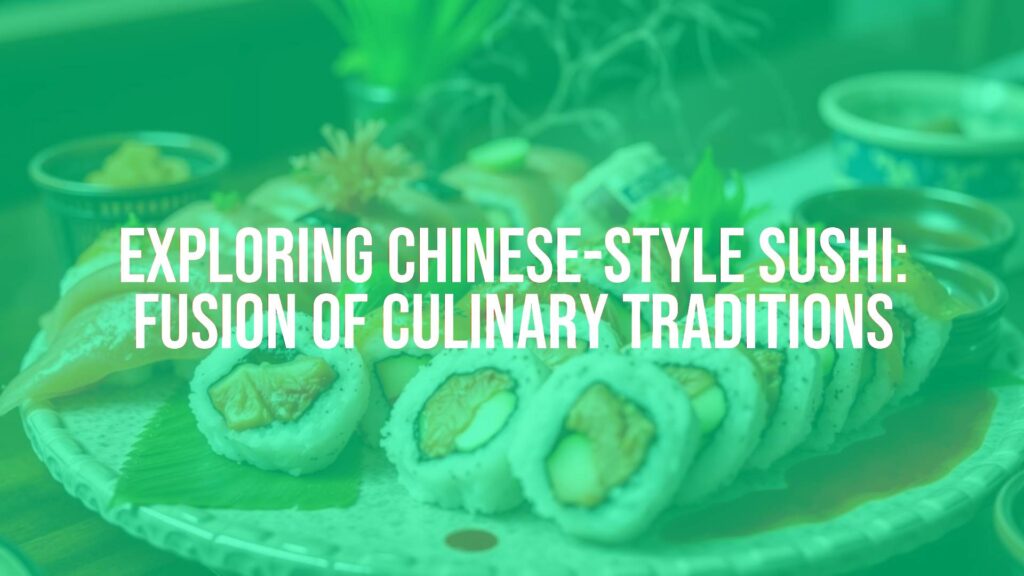
Introduction to Chinese-Style Sushi
While sushi is traditionally associated with Japanese cuisine, culinary innovation and cultural exchange have given rise to “Chinese sushi,” a creative fusion that adapts the iconic dish with elements characteristic of Chinese cooking. Despite its name, Chinese sushi is not an indigenous dish from mainland China but rather a contemporary adaptation found in Chinese restaurants worldwide and in some modern eateries within China. This article explores what defines Chinese-style sushi, its unique characteristics, and how it differs from both its Japanese counterpart and other Chinese foods.
Defining Features and Presentation
Chinese-style sushi typically retains the fundamental structure of traditional sushi—vinegared rice with assorted fillings or toppings—while reinterpreting flavors, ingredients, and presentation. The use of Chinese flavors, such as five-spice, hoisin sauce, or Sichuan peppercorns, and the inclusion of Chinese-style meats like char siu (Cantonese barbecued pork), Peking duck, or even stir-fried vegetables, are signature features. Sauces may be richer or spicier, and ingredients like pickled mustard greens or youtiao (Chinese fried dough) can appear as unexpected fillings.
Origins and Historical Context
Although sushi as a concept originated in Japan, its introduction and adaptation in China gained pace in the late 20th and early 21st centuries, particularly in cosmopolitan cities and among younger generations seeking novel dining experiences. The rise of fusion restaurants abroad, especially in North America and Europe, further popularized Chinese-style reinterpretations of sushi, blending Japanese methods with Chinese ingredients to cater to local tastes. Thus, Chinese sushi is less a product of ancient culinary tradition and more a reflection of modern, globalized food culture.
Key Ingredients and Preparation Methods
The base of Chinese sushi remains sushi rice, seasoned with rice vinegar, sugar, and salt. However, both the toppings and fillings deviate from the Japanese norm. Common proteins include cooked meats—such as roasted duck, honey-glazed pork, soy-braised chicken, or even marinated tofu. Vegetables may comprise stir-fried greens, bamboo shoots, or preserved radish. Instead of wasabi and pickled ginger, the sushi might be paired with chili oil, sweet bean sauce, or sesame paste. Seaweed is still widely used for rolling, though some variations use soybean sheets or even thin omelet wrappers for a distinct look and texture.
Regional Influence and Significance
Though Chinese sushi is not rooted in any particular Chinese region, its ingredients often reflect regional cuisines. Cantonese-style sushi may feature dim sum flavors, while Sichuan-inspired versions incorporate numbing spices and bold chilies. In coastal areas and metropolitan cities, experimentation with seafood remains popular, sometimes integrating local shellfish or river fish with Chinese seasonings.
Variations and Ingredient Substitutions
Variations of Chinese sushi are virtually limitless, given the richness of both culinary traditions. Vegetarian options abound, utilizing pickled vegetables or eggplant. For protein, home cooks often substitute roast pork with teriyaki chicken or tofu, making the dish accessible and customizable. In lieu of traditional nori wrapping, fresh lettuce or rice paper may be used, offering a lighter or more textured bite.
Serving Suggestions and Pairings
Chinese sushi is typically served chilled or at room temperature, as an appetizer, part of a shared meal, or at buffet tables. It pairs well with light Chinese teas, such as jasmine or oolong, and can also be complemented by a glass of chilled plum wine or sparkling water with lemon. For dipping, soy sauce may be replaced or augmented with chili oil, black vinegar, or hoisin for a deeper umami note.
Cultural Impact and Contemporary Enjoyment
As a fusion dish, Chinese-style sushi exemplifies modern culinary innovation. It appeals to diners seeking the novelty of sushi with flavors that evoke the comfort of Chinese home cooking. Its flexibility in presentation and taste makes it a favorite for creative chefs, special events, or family gatherings, highlighting both adaptability and the boundless possibilities of cross-cultural cuisine.
