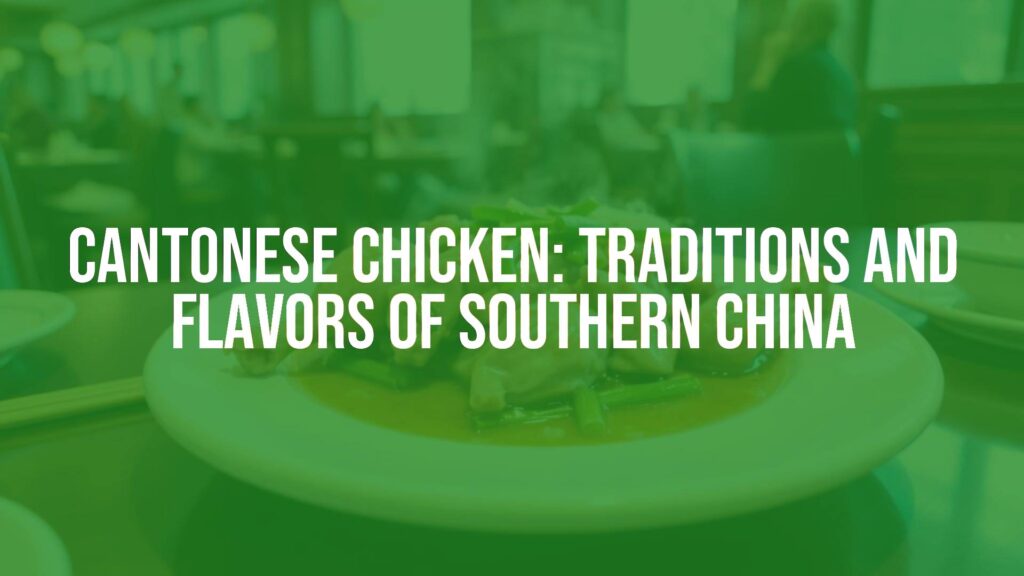
An Exploration of Cantonese Chicken
Cantonese chicken sits at the heart of Southern China’s cuisine, known for its delicacy, aromatic simplicity, and focus on the true taste of the ingredients. This dish features tender chicken prepared in ways that highlight freshness, whether steamed, poached, or lightly stir-fried, revealing the culinary philosophy of the Guangdong region. Its nuanced flavors and subtle seasonings set it apart, making it a staple in both everyday home cooking and celebratory banquets.
Culinary Characteristics and Appeal
What distinguishes Cantonese chicken is the emphasis on lightness and clarity. Unlike spicier offerings from other Chinese traditions, this dish showcases a gentle touch: fresh, high-quality chicken is often gently cooked to preserve juiciness and maintain a naturally sweet, savory flavor. Aromatics such as ginger, scallion, and sometimes Shaoxing wine or soy sauce, are used with restraint. The result is a dish that is savory with aromatic undertones, characterized by a tender, moist texture and a glossy, appetizing appearance, often garnished with chopped scallions or fresh herbs.
A Glimpse into History and Regional Significance
The roots of Cantonese chicken reach deep into the culinary history of Guangdong province. For centuries, poultry—especially chicken—has held ceremonial and everyday importance, cherished for its symbolic meaning of prosperity and togetherness. Classic preparations—such as poached White Cut Chicken (Bai Qie Ji)—have appeared in regional cookbooks since the Qing dynasty, underlining their importance at family gatherings, dim sum tables, and festive banquets alike. This focus on chicken—prepared simply, with great care—reflects both the agricultural abundance and the refined gastronomic traditions of the Lingnan region.
Essential Ingredients and Preparation
Cantonese chicken relies on just a handful of quality ingredients. Fresh or free-range chicken is preferred for its firm texture and full flavor. The preparation often includes ginger and scallion both in the cooking liquid and as garnish or condiment. Light soy sauce, Shaoxing wine, and subtle seasonings may enhance the broth or be part of a dipping sauce on the side. Beyond poaching or steaming, the chicken may be briefly marinated to impart a delicate umami or floral note. Importantly, the dish avoids overpowering spices, allowing the natural qualities of the meat to shine.
Common Variations and Ingredient Substitutions
Several variations of Cantonese chicken have emerged across households and restaurants. The beloved White Cut Chicken is famously served chilled with a ginger-scallion oil. Soy sauce chicken infuses the bird with a sweet-salty complexity through braising in a soy-based mixture. Some versions may include subtle citrus zest, while others use mushroom powder or sesame oil for an added dimension. For ingredient substitutions, those unable to access Chinese wine may use dry sherry, and kosher salt can replace chicken powder for seasoning. Boneless, skinless cuts can be adapted for convenience, although traditionalists favor bone-in, skin-on chicken for full flavor.
Serving Suggestions and Pairings
Cantonese chicken is typically presented sliced, bones included, arranged neatly on a platter, sometimes with a light drizzle of aromatic oil or a side of dipping sauce. Steamed white rice is its customary companion, absorbing flavorful juices. The dish pairs well with simple stir-fried greens such as gai lan (Chinese broccoli) or bok choy, and light, floral Chinese teas like jasmine or pu’er complement its gentle profile. For festive meals, serving alongside dim sum classics or even cold appetizers will showcase its role as both centerpiece and complement in a broader Cantonese spread.
Conclusion
Cantonese chicken exemplifies the core values of Southern Chinese cookery—freshness, restraint, and harmony. Whether enjoyed in a humble eatery or at a lavish banquet, its clean flavors and inviting textures make it a timeless favorite that continues to represent the culinary essence of Guangdong and beyond.
