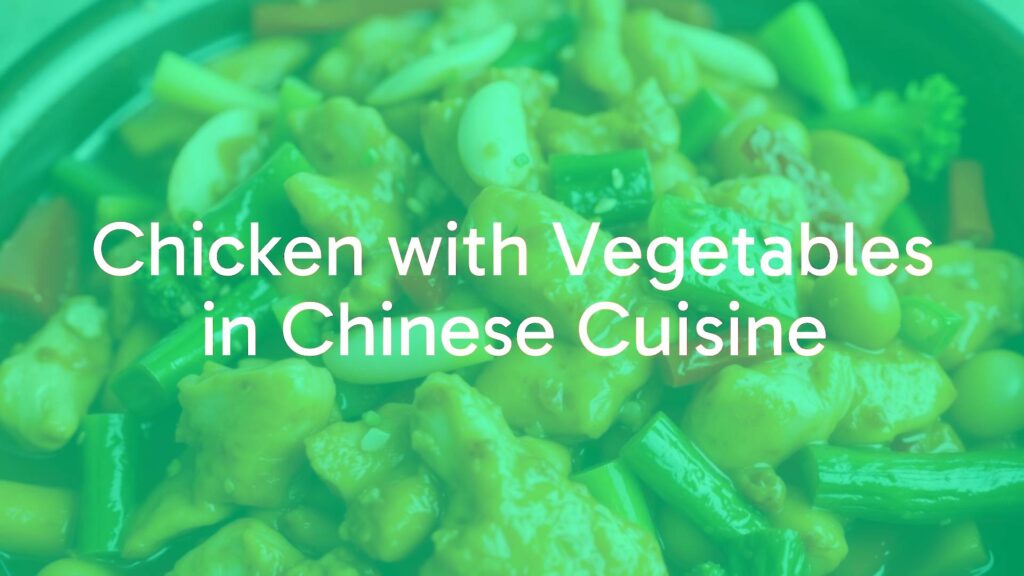
Overview of Chicken with Vegetables
Chicken with vegetables is a classic dish in Chinese cuisine, renowned for its vibrant colors, enticing aromas, and balanced flavors. This versatile dish brings together tender chicken pieces and a medley of crisp, stir-fried vegetables, offering a harmonious combination of protein and plant-based nutrients. Whether part of a family meal or served in Chinese restaurants worldwide, its universal appeal lies in its adaptability and wholesome character.
Signature Qualities and Taste
What sets Chinese-style chicken with vegetables apart is its emphasis on freshness and variety. The chicken is typically sliced thin or cut into bite-sized chunks, marinated for extra juiciness, and swiftly cooked alongside vegetables to retain their natural crunch and color. The accompanying sauce—often based on soy sauce, oyster sauce, garlic, and ginger—enhances the dish with umami depth and subtle sweetness. The resulting flavor profile is savory but never overwhelming, allowing the natural tastes of the ingredients to shine through. Texturally, the dish features a delightful interplay between tender chicken and crisp vegetables.
Historical and Regional Context
Chicken with vegetables most clearly reflects the culinary philosophy of Cantonese cooking, where balance, freshness, and quick stir-frying dominate. The method of combining meat and vegetables in a single wok dish dates back centuries and is rooted in traditional home cooking. While stir-fried chicken with vegetables is most closely associated with southern provinces like Guangdong, variations can be found all over China, each region highlighting its own preferred vegetables and seasonings based on local agriculture and taste preferences.
Key Ingredients and Preparation
At its core, this dish features two essential components: chicken (often breast or thigh, boneless and skinless) and a colorful assortment of vegetables. Common choices include bell peppers, carrots, broccoli, snow peas, mushrooms, and bamboo shoots. Aromatics such as garlic, ginger, and scallions are typically used to build depth of flavor. The sauce may blend soy sauce, Shaoxing rice wine, cornstarch (for thickening), and sometimes sesame oil for richness. Stir-frying in a well-seasoned wok ensures quick, even cooking and locks in the freshness of each element.
Popular Variations
Chicken with vegetables offers endless room for improvisation. Some versions add cashew nuts or water chestnuts for crunch, while others spike the dish with chili for mild heat. Certain regions may substitute green beans, baby corn, or Chinese cabbage. Vegetarian adaptations might replace chicken with firm tofu or seitan while retaining the same seasonings and cooking techniques. Health-conscious cooks sometimes opt for less oil or use steamed chicken for a lighter touch.
Serving and Pairing Suggestions
This dish is most commonly served hot, accompanied by freshly steamed white rice or fried rice, allowing the savory sauce to be enjoyed to the fullest. It pairs well with clear soups such as egg drop or hot and sour soup, as well as simple appetizers like spring rolls. For beverages, delicate Chinese teas (like jasmine or oolong) or a light lager serve to cleanse the palate.
Summary
Chicken with vegetables epitomizes the spirit of Chinese stir-fry cooking: nutritious, visually appealing, and quick to prepare. With its adaptable framework, it welcomes endless variations to suit preferences and ingredients on hand, all while offering a comforting and wholesome dining experience.
