Understanding Chinese Rolls
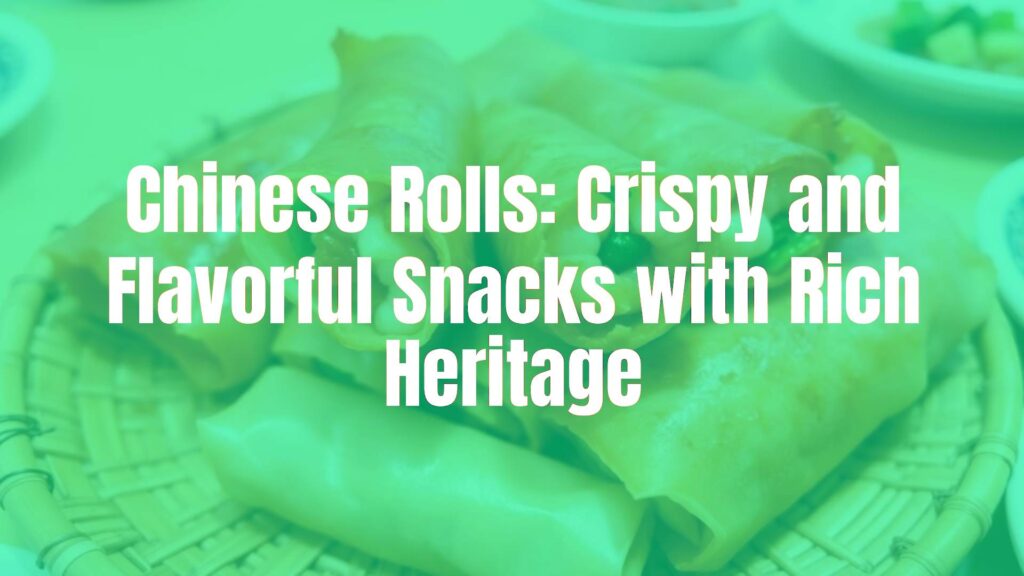
Chinese rolls refer to a family of stuffed, rolled snacks characterized by their crisp exterior and savory fillings. These rolls are typically served as appetizers, snacks, or accompaniments to a larger meal. While the term commonly invokes the image of spring rolls (春卷), it can encompass a variety of styles and regional interpretations across China.
A Closer Look at Texture, Flavor, and Appearance
Chinese rolls are best known for their crunchy, golden-brown wrappers that encase a mixture of finely chopped vegetables, meats, or sometimes seafood. The contrast between the crispy shell and the moist, aromatic stuffing is highly prized. Traditional fillings frequently include cabbage, carrots, mushrooms, bamboo shoots, mung bean sprouts, and seasoned proteins like pork, chicken, or shrimp. The overall taste profile balances savory, umami notes with subtle sweetness and aromatic hints of ginger, garlic, and soy sauce.
Historical Background and Cultural Significance
The practice of wrapping foods in thin pastry has ancient roots in China, with some records tracing rolled and stuffed foods back to the Eastern Jin Dynasty (4th century AD). Spring rolls, a particularly ubiquitous style, originated in the eastern provinces to welcome the arrival of spring with fresh vegetable fillings wrapped in delicate wheat or rice wrappers. Over time, Chinese rolls evolved to suit regional tastes and festive occasions, symbolizing renewal and prosperity.
Regional Varieties Across China
While spring rolls dominate the culinary landscape, other variants exist. In southern China, especially in Guangdong and Fujian, fried rolls are popular at dim sum gatherings, often showcasing pork, shrimp, and sometimes sweet bean paste. Northern regions may favor heartier fillings or use thicker wrappers. In Shanghai, “popiah” rolls, a fresh and non-fried variant with thin wheat crepes and a complex assembly of fillings, reflect local preferences for lighter, sweeter notes.
Essential Ingredients and Preparation Techniques
The foundation of any Chinese roll is the wrapper, typically prepared from wheat flour (for fried rolls) or rice flour (for fresh varieties). Fillings are stir-fried or blanched to enhance flavor and ensure suitability for rolling. The assembled rolls are then deep-fried, pan-fried, or, in some cases, steamed. The result is a snack with a signature crispness and a flavorful, juicy interior.
Variations and Adaptations
Chinese rolls lend themselves to numerous variations. Vegetarian versions might focus solely on assorted vegetables and glass noodles, while other adaptations introduce tofu, five-spice tofu skin, or regional greens. In contemporary contexts, rolls may include fusion fillings like curry chicken or cheese to suit evolving palates. Gluten-free and baked alternatives are increasingly available, catering to dietary needs without sacrificing the core qualities of the dish.
Serving Suggestions and Pairings
Traditionally, Chinese rolls are accompanied by dipping sauces such as soy sauce, black vinegar, sweet chili, or hoisin sauce. They make ideal starters for banquets or feature prominently at festive celebrations. Rolls can be paired with light teas like jasmine or pu-erh, and they also complement cold beer or light-bodied white wines when served as party snacks.
Conclusion
Chinese rolls, with their irresistible texture and versatile fillings, embody the ingenuity and rich culinary traditions of China. Whether enjoyed as part of a celebratory meal or as a simple snack, their enduring popularity is testament to their universal appeal and adaptability.
