Overview of Cantonese Fried Rice
Cantonese fried rice, known in Chinese as “Guangdong Chao Fan” (广东炒饭), is a celebrated dish that exemplifies the culinary traditions of Cantonese cuisine, revered for its delicate flavors and emphasis on freshness. Unlike more heavily seasoned variants from other regions, this fried rice stands out for its subtlety and balance, allowing the flavors of each component to shine.
Distinctive Features and Preparation
What sets Cantonese fried rice apart is its understated seasoning, light texture, and the harmonious combination of simple, high-quality ingredients. The hallmark of this dish lies in its use of leftover cold rice—each grain remains separate and slightly chewy after stir-frying, rather than clumping together. The cooking process involves quick cooking over high heat (wok hei), preserving the color and bite of the vegetables and proteins added.
Characteristic Flavors and Appearance
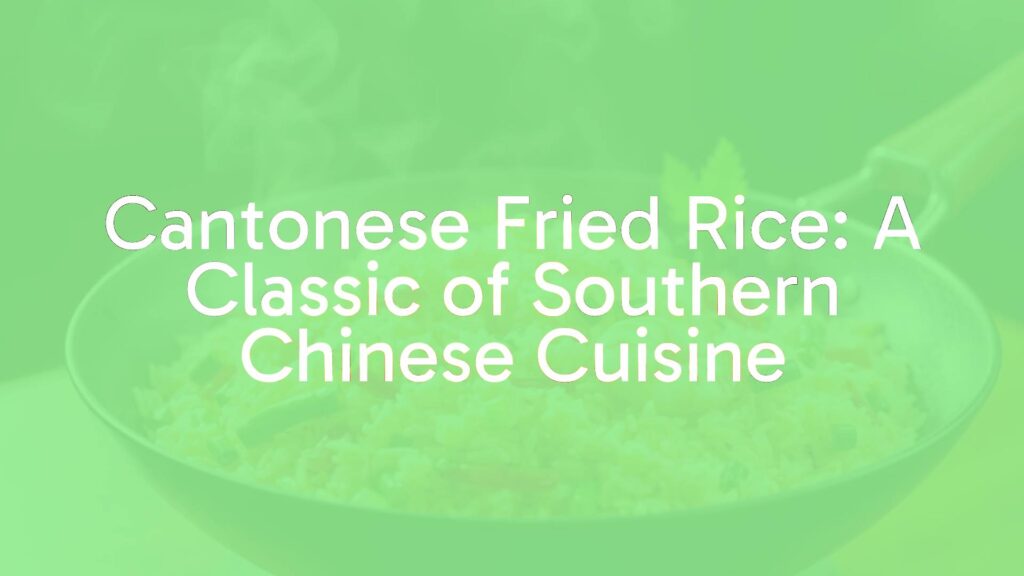
Cantonese fried rice is visually inviting, with flecks of yellow eggs, pinkish char siu (barbecued pork), and vibrant green scallions or peas against the backdrop of pearly white rice. The flavor is savory, gently seasoned with a hint of salt, white pepper, and sometimes a splash of light soy sauce. The result is a nuanced dish with a soft, slightly smoky aroma and a pleasant interplay of textures from the various ingredients.
Historical Origins
The dish emerged in southern China’s Guangdong province, influenced by the region’s penchant for mild, ingredient-focused cuisine. Fried rice in general has ancient roots, devised as a thrifty method of repurposing leftover rice and assorted bits of meat and vegetables. Cantonese chefs refined this concept, emphasizing refined technique and balanced flavors suitable for everyday meals and banquet tables alike.
Key Ingredients
The essential components of a classic Cantonese fried rice include:
- Cold, cooked white rice (jasmine rice is most common)
- Eggs, lightly scrambled
- Char siu (Chinese barbecued pork)
- Shrimp (optional but traditional)
- Fresh vegetables such as peas, scallions, or diced carrots
- Mild seasonings: salt, white pepper, and sometimes light soy sauce
These ingredients are chosen for their distinctive colors, flavors, and textures, supporting the Cantonese preference for clarity and lightness.
Common Variations and Substitutions
While the classic version features char siu and shrimp, home cooks and restaurants often personalize the dish. Chicken, ham, or Chinese sausage may replace barbecued pork, and vegetables might vary with availability—corn, bean sprouts, or finely chopped greens are all suitable alternatives. With vegetarian adaptations, tofu supplants the meat, and a medley of colorful vegetables creates visual appeal.
Serving Suggestions and Pairings
Cantonese fried rice is a versatile dish, usually served as a substantial accompaniment within a shared meal or as a light single-plate option. It pairs wonderfully with Cantonese-style soups, stir-fried greens like gai lan or bok choy, and delicate seafood dishes. For beverages, consider Chinese teas such as jasmine or oolong, which complement the dish’s gentle flavors.
Culinary Significance
Widely available in dim sum restaurants, family kitchens, and banquet halls, Cantonese fried rice encapsulates the spirit of southern Chinese gastronomy—prioritizing freshness, subtlety, and a mosaic of natural flavors. Whether enjoyed as comfort food or festival fare, it continues to hold a special place in the hearts of Cantonese diners and Chinese food lovers worldwide.
