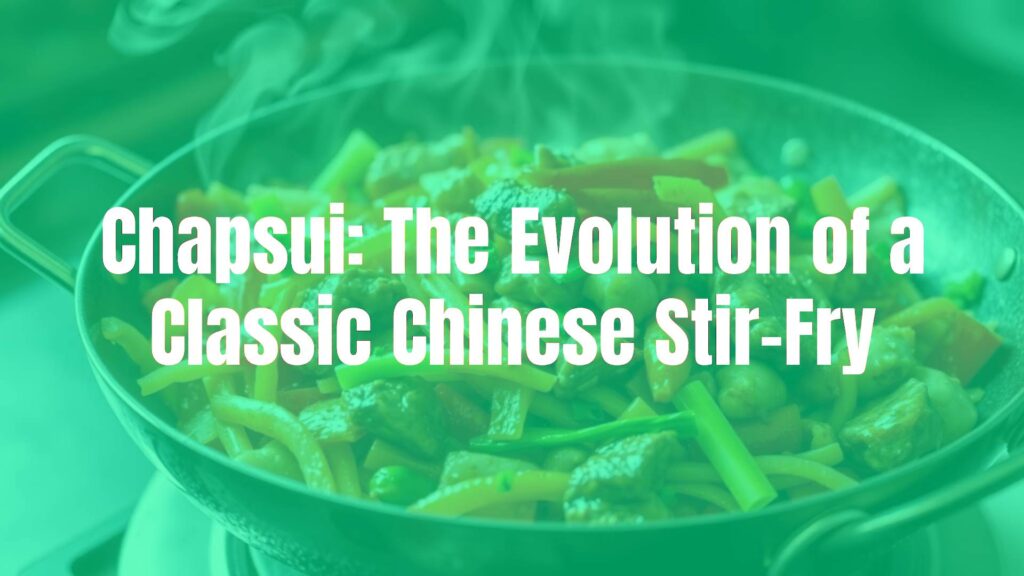
Understanding Chapsui: An Overview
Chapsui, also commonly spelled “chop suey,” is a well-known dish that embodies the blend of Chinese culinary techniques and local adaptations worldwide. While not considered a traditional dish within China itself, chapsui holds a special place in the story of Chinese diaspora, representing both adaptability and culinary creativity. Characterized by its medley of stir-fried ingredients, chapsui is celebrated for its colorful appearance, savory flavor, and versatile nature.
Essential Features and Appeal
At its core, chapsui typically features a combination of meat (such as pork, chicken, beef, or shrimp), assorted vegetables—often including bean sprouts, celery, cabbage, and carrots—and a flavorful, slightly thickened sauce. The dish is known for its harmonious interplay of textures: tender-crisp vegetables mingling with succulent bites of protein. The savory sauce, usually based on soy sauce and sometimes subtly sweetened, binds the ingredients together, resulting in a comforting and satisfying meal.
Origins and Cultural Significance
Chapsui’s origins are rooted not in a specific region of China, but rather in Chinese immigrant communities overseas, especially in the United States during the late 19th and early 20th centuries. While some suggest the concept is inspired by Cantonese “tsap sui” (meaning “mixed bits”), chapsui as it is known globally developed as a practical, flexible meal, utilizing available ingredients to suit diverse tastes. Over time, it became a symbol of Chinese-American cuisine and, by extension, the culinary ingenuity of Chinese communities adapting to new environments.
Key Ingredients
Classic chapsui recipes revolve around a handful of essential components:
- Protein: Chicken, pork, beef, shrimp, or tofu.
- Vegetables: Bean sprouts, bok choy, cabbage, carrots, celery, onions, mushrooms, and snow peas are common.
- Sauce: A lightly thickened blend typically made from soy sauce, oyster sauce, chicken broth, and a bit of cornstarch.
- Aromatics: Garlic and ginger often add depth and aroma.
Variations and Ingredient Swaps
Chapsui is renowned for its adaptability. Ingredients can be substituted depending on local availability and personal tastes. Some popular variations include seafood chapsui, vegetarian versions using tofu or seitan, or regional substitutions such as bell peppers or baby corn. Gluten-free alternatives for soy sauce or other dietary modifications ensure the dish’s inclusivity in various diets.
How Chapsui is Served
The dish is frequently served with steamed white rice or crispy fried noodles, providing a satisfying contrast to the saucy stir-fried contents. Some enjoy it with a side of egg rolls or a light soup. Beverage pairings might include Chinese teas like jasmine or oolong, or even a chilled lager to complement the savory flavors and crisp textures. Chapsui’s inviting, unpretentious nature has cemented its place in family-style dining and as a comforting choice at Chinese-style restaurants across the globe.
Conclusion
Chapsui’s enduring popularity is a testament to its versatility, simplicity, and capacity to bring together a wide range of flavors and textures in a single dish. A true product of cross-cultural exchange, it continues to evolve and adapt, celebrating both its Chinese heritage and global influences with every vibrant serving.
