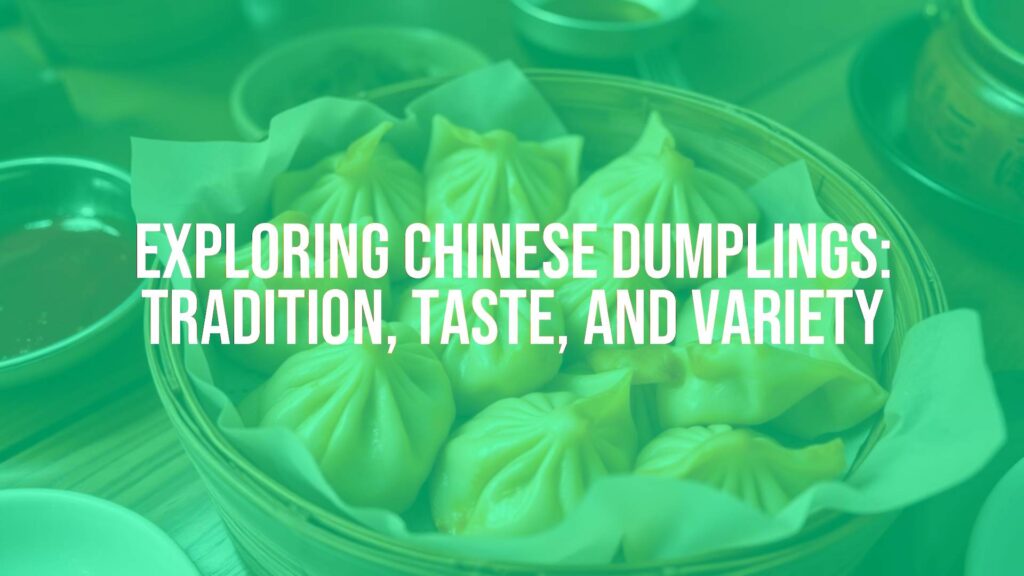
Introduction to Chinese Dumplings
Chinese dumplings, or jiaozi (饺子), are a beloved staple of Chinese cuisine and an iconic symbol of reunion and celebration. Recognizable by their crescent-shaped, pleated wrappers filled with a variety of savory fillings, Chinese dumplings are enjoyed throughout China and around the world. Their universal appeal lies in their versatility, bite-sized convenience, and comforting taste.
What Makes Chinese Dumplings Unique?
What distinguishes Chinese dumplings from other similar foods across Asia is their distinct wrapper-to-filling balance, and the diversity of cooking methods and flavors. Typically, jiaozi are made with a thin wheat dough wrapper and a hearty filling—often a mixture of ground pork, cabbage, chives, and seasonings. The sealed packages can be boiled (shuijiao), pan-fried (guotie, or “potstickers”), or steamed, each method producing a unique texture and flavor profile.
Historical Roots and Cultural Significance
The history of Chinese dumplings dates back over 1,800 years to the era of the Eastern Han Dynasty. Legend credits the invention to the physician Zhang Zhongjing, who sought to provide nourishment and warmth to villagers during a harsh winter. Since then, dumplings have become a potent symbol of family unity, prosperity, and good fortune, especially during Lunar New Year celebrations.
Jiaozi are particularly cherished in northern China, where wheat-based staples are more prevalent. Making dumplings together is a communal family activity, highlighting the bond between generations.
Essential Ingredients and Typical Preparation
At the heart of Chinese dumplings is a delicate, elastic dough made simply from wheat flour and water. The filling comprises finely minced or ground meats (commonly pork, but also beef, chicken, or shrimp), a generous helping of vegetables such as napa cabbage, chives, leeks, or carrots, and seasonings like soy sauce, sesame oil, ginger, and garlic. The ingredients are mixed thoroughly before being enveloped in the wrapper and expertly crimped at the edges to seal in the flavorful contents.
Boiled dumplings are tender and juicy, with a silky wrapper that absorbs the broth and seasoning. Pan-fried dumplings boast a crisp, golden bottom and chewy top, while steamed dumplings offer a delicate and soft texture.
Regional Varieties and Common Adaptations
Across China, dumplings adapt to local tastes and ingredients. In the north, pork with Chinese chives is classic, while in the south, seafood fillings and thinner wrappers are favored. Vegetarian versions often feature mushrooms, tofu, and assorted greens. Some regions incorporate unique flavorings, such as Sichuan’s spicy chili oil dips, or Cantonese-style crystal-skinned shrimp dumplings (har gow).
Modern variations continue to emerge, including innovations like lamb and fennel dumplings, creative vegan options, and even sweet dessert dumplings filled with red bean paste.
Pairings and Serving Suggestions
Chinese dumplings are usually accompanied by dipping sauces tailored to personal taste, commonly blending soy sauce, vinegar, sesame oil, and chili. They are often served as a main dish, appetizer, or side at gatherings and special occasions. Pair dumplings with light soups, stir-fried vegetables, or a cup of hot tea for a balanced and satisfying meal. A crisp Chinese lager or a subtle rice wine can also complement the savory flavors beautifully.
Final Thoughts
Whether steamed, boiled, or pan-fried, Chinese dumplings offer a timeless taste of Chinese heritage. Their enduring popularity stems from their adaptability and the communal joy of making—and eating—them together. Every bite of a well-crafted dumpling captures history, tradition, and the warmth of family.
