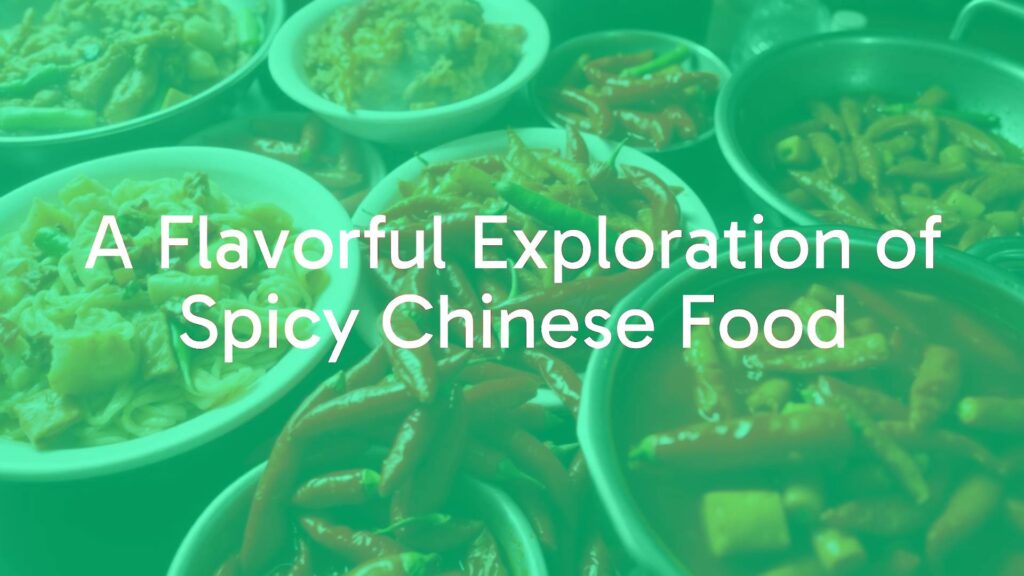
Understanding the Essence of Spicy Chinese Food
Spicy Chinese food occupies a revered place within the vast tapestry of China’s regional cuisines. Known for its bold interplay of flavors and vivid use of chili peppers, Sichuan peppercorns, and aromatic spices, spicy Chinese dishes deliver not only heat but also complexity, depth, and numbing sensations unique to China’s culinary landscape. The category encompasses a diverse array of preparations, from stir-fries and braised dishes to hot pots and snack foods, each offering a different interpretation of spice and aroma.
The Origins and History of Heat in Chinese Cooking
While spice is now a hallmark of many Chinese dishes, its prevalence is most significant in southwestern provinces, particularly Sichuan and Hunan. These regions developed a love for piquant flavors, often attributed to their humid climates, which locals believed could be counteracted with spicy, warming foods. Over time, the introduction of chili peppers from the Americas in the late Ming dynasty transformed these cuisines, adding fiery sensations to traditional dishes seasoned previously only with ginger, garlic, and local spices.
Signature Flavors and Notable Dishes
The appeal of spicy Chinese food is rooted in the balance between heat and other taste elements. Sichuan cuisine, for instance, is famously defined by the mala (numbing and spicy) profile, blending tongue-tingling Sichuan peppercorns with chili oil, doubanjiang (fermented bean paste), and garlic. Hunan cuisine tends toward a more assertive, brightly-flavored spiciness, often incorporating pickled chilies and an abundance of fresh peppers for both heat and fragrance.
Well-known spicy Chinese dishes include:
- Mapo Tofu: Silken tofu simmered with ground pork, doubanjiang, and Sichuan peppercorns for a signature numbing heat.
- Kung Pao Chicken: Chicken stir-fried with peanuts, dried chilies, and sweet-savory sauce, offering balanced, tingling spice.
- Hot Pot: Communal meal featuring sliced meats, vegetables, and tofu cooked tableside in a simmering, fiery broth redolent with chilies and spices.
- La Zi Ji (Chongqing Chicken): Crispy chicken pieces buried in a mound of dried red chilies and peppercorns, popular for its audacious heat.
Distinguishing Ingredients of Spicy Chinese Dishes
The components that define the spiciness of Chinese food are as nuanced as the dishes themselves. Key ingredients include:
- Fresh and Dried Chilies: Used in various forms (whole, chopped, or as oil), these are the foundation of heat.
- Sichuan Peppercorns: Lend an inimitable numbing sensation, unique to Sichuan cooking.
- Doubanjiang (Fermented Chili Bean Paste): Deepens flavors and adds complex umami to stews and stir-fries.
- Garlic, Ginger, and Scallions: Aromatics that complement and elevate spicy profiles.
Regional Variations and Versatility
While southwestern China is most famous for spicy foods, variations appear throughout the country. Northern areas like Shandong and eastern provinces like Jiangsu typically use milder flavors, but creative chefs have adapted spicy dishes to local preferences. Dry-pot styles focus on dry-fried meats and vegetables with punchy spices, while mala tang and skewered treats bring street-food flair to the spicy tradition.
Ingredient Substitutions
If authentic ingredients are inaccessible, substitutions can be made for home cooking: crushed red pepper flakes or cayenne pepper can replicate some chili heat, while lemon zest and black pepper offer a facsimile of Sichuan peppercorns’ numbing edge. Store-bought chili sauces and oils can approximate the depth of doubanjiang or chili bean pastes in a pinch.
How to Enjoy and Pair Spicy Chinese Food
Spicy Chinese dishes shine in convivial settings—family-style meals, lively hot pot gatherings, or as part of a broad banqueting spread. Cooling accompaniments, such as cucumber salad, pickled vegetables, or mild tofu dishes, help balance the heat. When it comes to beverages, light lagers, chilled plum juice, or traditional teas can offer soothing relief and round out the meal. Whether seeking a dramatic, lip-tingling feast or simply a dash of chili-driven excitement, spicy Chinese food promises a memorable and flavorful experience for all.
