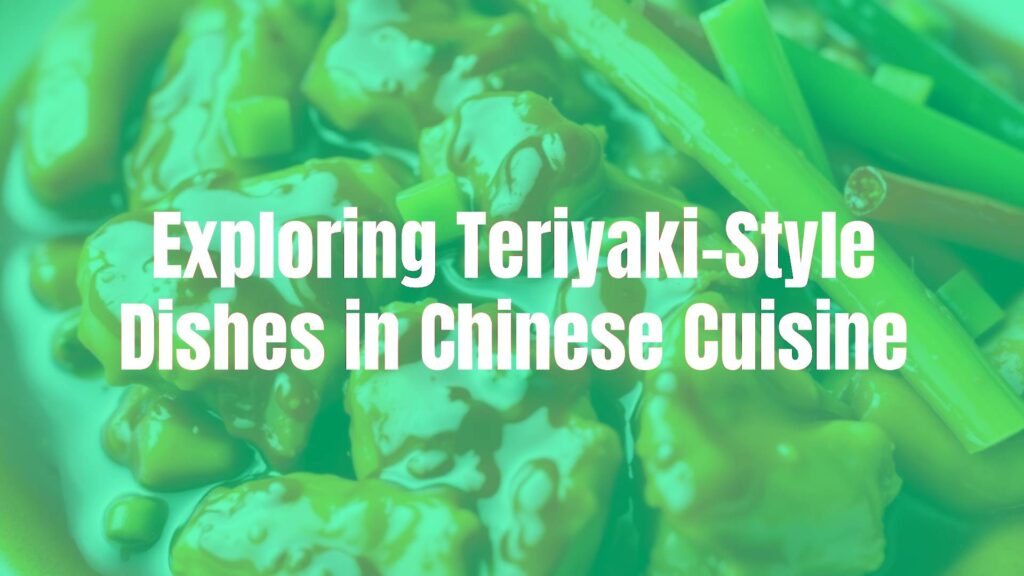
An Overview of “Teriyaki” Dishes in the Chinese Culinary Context
Although teriyaki is most famously associated with Japanese cuisine, the influence of its signature glossy, sweet-salty glaze has made its way into a variety of Chinese-style dishes, especially in contemporary Chinese restaurants across the world. While traditional Chinese cooking does not include “teriyaki” as an indigenous technique or sauce, certain approaches to meat and vegetable cookery in China share similarities with the teriyaki method, and fusion adaptations are popular in the global Chinese food scene.
Defining Characteristics of Chinese-Style “Teriyaki” Dishes
In the Chinese context, dishes described as “teriyaki” typically feature proteins such as chicken, beef, pork, fish, or tofu coated in a sweet-savory sauce and cooked until glossy. While traditional Chinese sauces differ from the classic Japanese teriyaki, the end result is often a harmonious balance of savoriness, sweetness, and umami, with a thickened sauce that clings to each piece of food. Garlic and ginger are often more prevalent than in the Japanese version, and Chinese versions may include additional aromatics like scallion or five-spice powder.
Historical Background and Cross-Cultural Influence
“Teriyaki” as a style and term originates from Japan, referring to foods glazed with a sweetened soy sauce and grilled or broiled. Its popularity outside Japan, especially in Chinese-American and other overseas Chinese restaurants, led to cross-cultural adaptations. Chinese chefs began incorporating the idea of teriyaki sauce, sometimes blending it with Chinese ingredients and techniques, to create dishes that appeal to a wider international audience and customers familiar with Japanese flavors.
Key Ingredients and Distinguishing Components
The core ingredients in Chinese-style “teriyaki” dishes generally include soy sauce, sugar or honey, mirin or rice wine (sometimes replaced with Shaoxing wine in Chinese kitchens), garlic, and ginger. Cornstarch is frequently used to thicken the sauce, creating the trademark sheen and sticky texture. Sesame oil and scallions may be added for depth and fragrance, and the dish is typically finished with a sprinkle of sesame seeds.
Regional Context and Common Variations
Teriyaki-flavored dishes are not associated with any specific region in China, but rather have become a feature of modern, often Cantonese-style, Chinese restaurants with an international clientele. Variations abound, from teriyaki chicken stir-fries and beef strips to seafood or vegetarian options with tofu. In some preparations, vegetables such as broccoli, bell pepper, or snow peas are tossed in the sauce along with the protein.
Some Chinese chefs might substitute traditional Chinese sauces like hoisin or oyster sauce alongside or in place of the classic teriyaki blend, resulting in a dish that bridges culinary traditions. Those seeking alternatives can replace mirin with a splash of apple juice or rice vinegar, or opt for agave syrup instead of sugar or honey for sweetness.
Serving Suggestions and Pairings
Chinese “teriyaki” dishes are most commonly served hot, either as an individual entree or part of a family-style meal. They pair well with steamed jasmine rice, fried rice, or noodles, as the grains absorb the rich sauce. On the beverage side, green tea or lightly sweetened cold teas are traditional choices to refresh the palate, while a crisp lager or a slightly fruity white wine can complement the sauce’s sweet-savory profile.
Conclusion: Teriyaki’s Place in Modern Chinese Cuisine
While teriyaki is not a traditional part of Chinese cuisine’s vast repertoire, its flavors have been warmly embraced and skillfully reinterpreted in modern Chinese cooking, particularly outside of China. These fusion-style dishes embody culinary creativity, inviting diners to enjoy the familiar, crowd-pleasing teriyaki glaze with a Chinese twist.
