Exploring Chinese Fried Rice Balls
Fried rice balls, known in Mandarin as ci fan tuan or sometimes zha fan tuan when deep-fried, represent a captivating intersection of comfort food and culinary craft in Chinese cuisine. These bite-sized morsels are cherished for their crisp golden shells and chewy, flavorful interiors, making them both an everyday snack and a festive treat.
Distinctive Characteristics
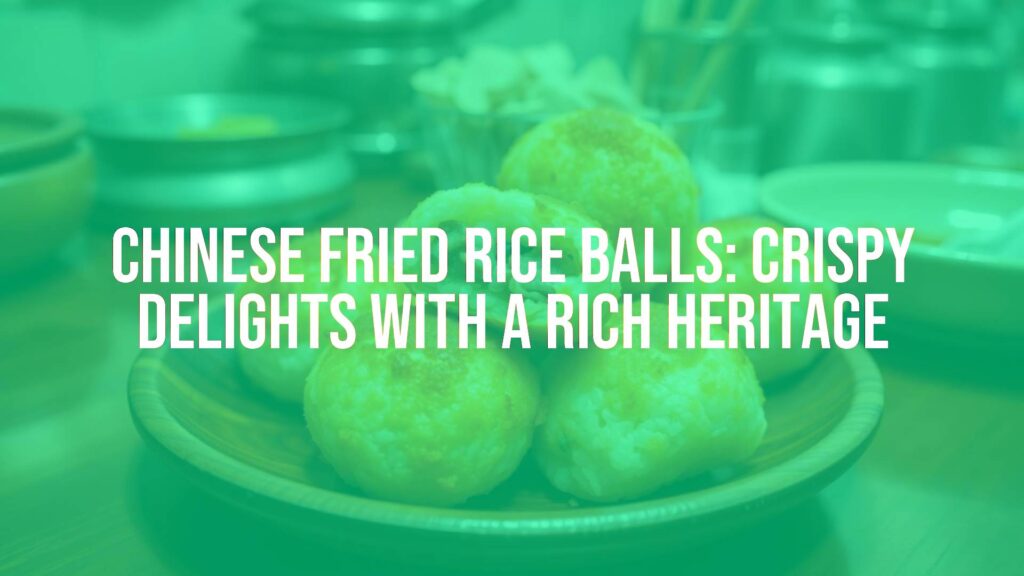
Chinese fried rice balls are visually appealing, sporting a crunchy, deep golden exterior achieved through frying. Inside, they’re typically made from sticky rice or glutinous rice, resulting in a pleasantly chewy texture. The filling varies by region and personal preference, offering an array of savory or even sweet surprises. Encased in this starchy shell, common fillings might include ground pork, mushrooms, pickled vegetables, or sweet bean paste, delivering a delightful contrast of flavors with each bite.
Historical Context and Cultural Significance
The tradition of shaping rice into portable, compact forms dates back centuries in China, with the rice ball serving as a practical way to use leftover rice and create satisfying, easy-to-carry snacks. While rice balls themselves are widespread, deep-fried versions highlight resourcefulness and the Chinese knack for textural play in food. Fried rice balls have traditionally been enjoyed during festivals, celebratory events, and as popular street snacks, particularly in southern regions where glutinous rice is a staple.
Regional Variations and Adaptations
The make-up of fried rice balls varies across China:
- Eastern China: Rice balls often contain savory fillings like preserved vegetables and minced meat, echoing Shanghai’s preference for complex umami flavors.
- Southern China: Here, sweet red bean paste or sesame pastes are common, particularly around the Lunar New Year.
- Modern twists: Urban snack stalls and restaurants might feature cheese, curry, or even seafood variations, appealing to contemporary tastes.
Key Ingredients
The foundational element is glutinous rice, essential for its sticky quality that holds the ball together during frying. Common ingredients and components include:
- Sticky (glutinous) rice or leftover cooked rice
- Fillings: minced pork, shiitake mushrooms, Chinese sausage, preserved mustard greens, or sweet options like lotus seed paste
- Seasonings: soy sauce, sesame oil, white pepper, or five-spice powder
- Batter or coatings: sometimes dusted with cornstarch or breadcrumbs for an extra-crispy finish
Serving Suggestions and Pairings
Fried rice balls are best enjoyed hot and freshly fried, allowing the contrast of a crunchy shell and moist interior to shine. They typically appear as snacks at markets, dim sum restaurants, or festive gatherings. For balanced enjoyment, consider serving them with:
- Tea: Jasmine or oolong tea cleanse the palate between bites and complement both savory and sweet versions.
- Dipping sauces: Soy sauce with a dash of vinegar or chili oil, enhancing both flavor and aroma.
Ingredient Substitutions and Modern Variations
If glutinous rice is unavailable, short-grain rice may be used, although the final texture will be less chewy. Vegetarian variations often substitute mushrooms, tofu, or vegetables for meat, while health-conscious cooks sometimes opt for baking rather than deep-frying. Creative contemporary adaptations might incorporate fusion ingredients like mozzarella cheese or spicy fillings, reflecting evolving tastes and global influences.
Conclusion
Chinese fried rice balls showcase the ingenuity and richness of Chinese snack culture—transforming simple rice into a textural and flavorful experience. Whether enjoyed on the street or at a family celebration, they continue to delight with their crispy exteriors, soft interiors, and endless potential for customization.
