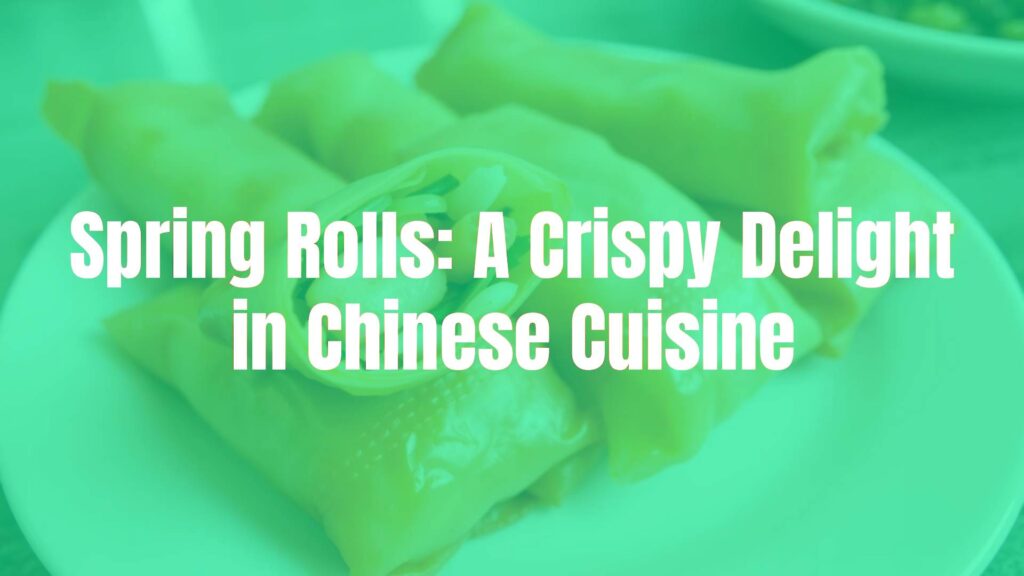
Overview of Spring Rolls
Spring rolls are a beloved part of Chinese cuisine, renowned for their golden, crispy exterior and flavorful fillings. These delectable rolls are traditionally enjoyed during celebratory occasions, particularly the Spring Festival, giving rise to their popular name. With a wide variety of regional adaptations, spring rolls remain a staple appetizer and snack found throughout China and on Chinese restaurant menus worldwide.
Distinctive Features and Flavor Profile
A typical spring roll is characterized by its thin wheat-flour wrapper, which encases a savory filling before being rolled tightly and deep-fried to a light, crunching shell. The filling can range from a medley of crunchy vegetables such as shredded cabbage, carrots, and bamboo shoots, to additions like vermicelli noodles, mushrooms, and pork or shrimp. The result is a delightful contrast between the wrapper’s crispness and the moist, aromatic ingredients within. Accompanied often by a dipping sauce—such as vinegar-soy blends or sweet chili—they offer a harmonious balance of flavors and textures.
Historical Roots and Symbolism
The history of spring rolls spans centuries, with references dating back to the Jin dynasty (265–420 AD). Originally, these rolls were prepared during the beginning of spring as part of rituals to welcome the new season, symbolizing prosperity and new beginnings. Over time, their popularity grew, and today, they are not only a festival food but a common treat year-round in China and across East Asia.
Regional Variations and Adaptations
Spring rolls vary considerably depending on the region. In eastern China, especially in Shanghai and Jiangsu, they often feature fresh greens, suggestive of spring’s bounty, with a lighter, less oily filling. Cantonese spring rolls from southern China, by contrast, are typically smaller, with a stronger emphasis on meat, such as minced pork or shrimp, and a more robustly flavored wrapper. In northern areas, fillings might feature hearty staples like mushrooms and bean sprouts. Some variations skip frying altogether—particularly in southern China—resulting in fresh spring rolls with a soft, chewy wrapper.
Essential Ingredients and Making Adjustments
The key elements that distinguish spring rolls are the wrapper and the filling. The classic wrapper is a paper-thin sheet of wheat flour pastry, but rice paper variants are used in some regions and fusion versions. Fillings are highly flexible; while pork, shrimp, cabbage, and carrots are common, vegetarian or vegan versions abound. Tofu, mushrooms, and glass noodles are popular substitutes, catering to dietary preferences or restrictions.
Presentation and Serving Suggestions
Spring rolls are best served freshly fried for maximum crispness, typically cut in half diagonally to display the vibrant interior. They are popular as appetizers, part of banquet spreads, or as street food snacks. Common accompaniments include soy-vinegar dips, sweet chili sauce, or even hot mustard. As for pairing, a pot of jasmine or green tea complements their lightness, while a crisp lager or chilled white wine can be an excellent match for their savory, crunchy bite.
Conclusion
With their golden shell, savory filling, and festive heritage, spring rolls embody the celebratory spirit of Chinese cuisine. Their adaptability to regional tastes and dietary needs ensures their enduring appeal, making them a cherished dish enjoyed throughout the world.
