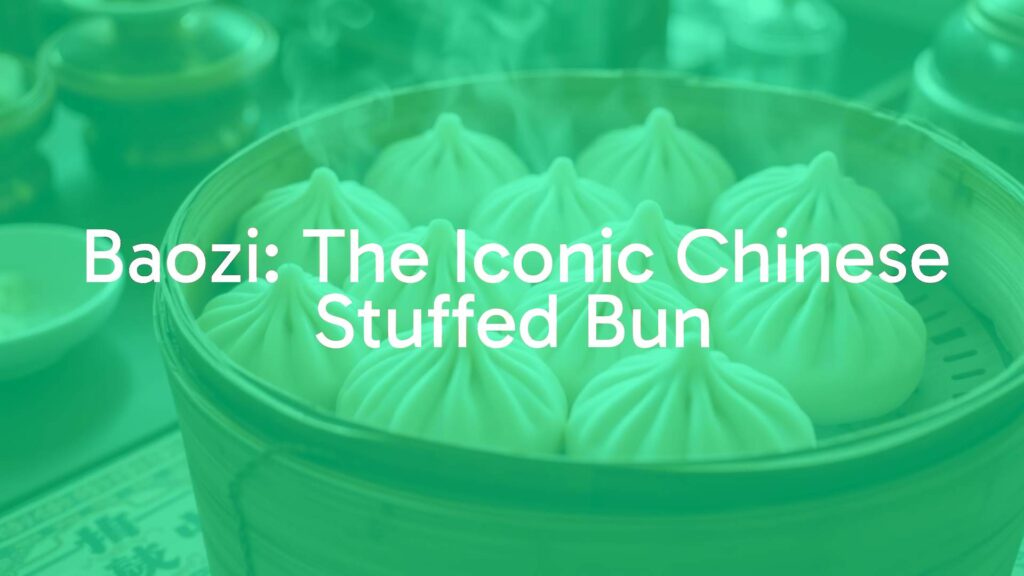
Introduction to Baozi
Baozi, often simply referred to as “bao,” are pillowy steamed buns beloved across China and worldwide. These buns are characterized by their soft, fluffy wheat flour dough enveloping a savory or sweet filling, creating a convenient and deeply satisfying handheld meal or snack. Baozi’s appeal lies in its versatility, regional adaptations, and comforting texture, making it a staple of Chinese breakfast tables, dim sum spreads, and street food markets.
Distinctive Features and Preparation
Baozi are easily recognized by their smooth, white exterior and rounded, often puckered top from the wrapping process. The dough is typically made from wheat flour, water, yeast, and sometimes a touch of sugar or oil, resulting in a tender, airy texture after steaming. Fillings are enclosed within the dough and expertly sealed, then the buns are steamed in bamboo baskets until cooked through, giving baozi their signature softness and gentle sheen.
The most common preparation method is steaming, though baked versions exist in some regions. Traditional baozi maintain a moist interior while remaining light on the palate, with a balanced ratio of dough to filling.
Historical Significance and Origins
Baozi boasts a storied history dating back centuries, with legends attributing its invention to Zhuge Liang, a famous military strategist of the Three Kingdoms period. Over time, baozi evolved into an everyday food accessible to all social classes, flourishing as both a street food and a cherished homemade dish. Its role in Chinese culinary culture is profound, often appearing at festive gatherings and as an emblem of hospitality.
Core Ingredients and Flavor Profile
The foundation of baozi is its mildly sweet, yeasted dough. The fillings vary widely but commonly include:
- Pork: Juicy ground pork seasoned with soy sauce, ginger, garlic, and scallions (e.g., the popular “char siu bao” or barbecue pork bun).
- Vegetables: Combinations like napa cabbage, mushrooms, and vermicelli.
- Chicken or Beef: Often blended with aromatic herbs and spices.
- Sweet Fillings: Red bean paste, custard, or lotus seed paste.
The flavor of baozi balances the savory (or sweet) filling with the subtle, yeasty notes of steamed bread, resulting in a harmonious one-bite experience.
Regional Variations
Baozi is enjoyed across China, with each region adapting it to local tastes:
- Xiaolongbao (Shanghai): Famous for thin-skinned, soup-filled dumplings, though technically a variety of steamed bun.
- Tianjin Goubuli Bao: Known for their intricate pleats and juicy pork filling.
- Cantonese Char Siu Bao: Features sweet barbecue pork and is a dim sum favorite, with steamed and sometimes baked versions.
- Vegetarian Variants: Popular in Buddhist regions, filled with mushrooms, tofu, and greens.
Ingredient Substitutions and Alternatives
Home cooks and chefs often substitute pork with chicken, beef, or plant-based protein for dietary preferences. Gluten-free flours may be used for the dough, though the characteristic texture can differ. While classic fillings rely on traditional Chinese seasonings, international adaptations might incorporate curry, cheese, or other fusion flavors.
Serving and Pairing Suggestions
Baozi are typically served hot, straight from the steamer, sometimes with vinegar, soy sauce, chili oil, or a touch of hoisin sauce on the side. They pair excellently with Chinese tea, particularly Jasmine or Pu’erh, and can complement light soups, congee, or pickled vegetables for a well-rounded meal.
Conclusion
Baozi’s enduring popularity speaks to its comforting nature, adaptability, and rich cultural roots. Whether enjoyed as breakfast on-the-go, part of a dim sum feast, or at family gatherings, baozi remains a cherished symbol of Chinese culinary tradition that continues to inspire and delight diners worldwide.
