Understanding Gyozas: Their Origins and Unique Qualities
Gyozas are most commonly associated with Japanese cuisine, but their roots trace directly back to Chinese jiaozi, a beloved variety of dumplings enjoyed across China for centuries. Gyozas have become popular worldwide due to their irresistible balance of tender, crispy textures and aromatic, savory fillings. Their small, half-moon shape and versatile fillings make them a staple of both casual meals and elaborate feasts.
A Brief Journey Through History
The story of gyozas begins in ancient China, where jiaozi have been a part of northern Chinese food culture for well over a thousand years. Traditionally served during Chinese New Year and family gatherings, jiaozi symbolize prosperity and unity. In the early 20th century, Chinese immigrants brought their dumpling-making traditions to Japan, where the Japanese adapted the recipe over time, creating what is now recognized as gyozas. This evolution led to subtle differences in wrapper thickness, filling ratios, and cooking techniques.
Key Components and Characteristics
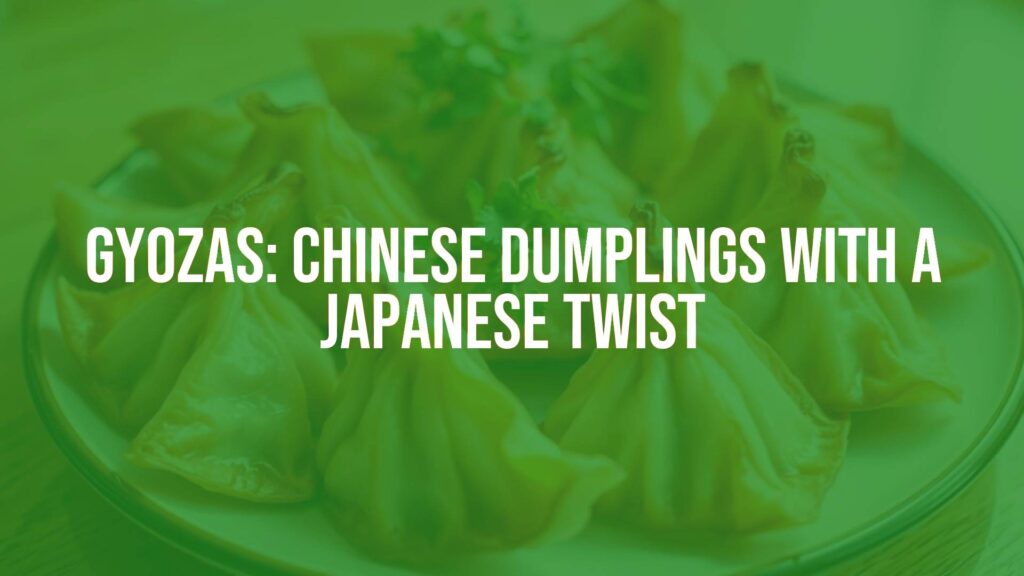
Gyozas are easily identified by their crescent-moon shape and golden, pan-seared bottom. They are typically filled with a flavorful mixture of finely chopped pork, cabbage, garlic, ginger, scallions, and a touch of soy sauce. The wrapper is thinner and more delicate compared to their Chinese counterpart, allowing for a light, crisp finish after frying. The classic preparation starts with frying the dumplings in a hot pan until the bottom turns crispy, then steaming by adding a splash of water and covering the pan, resulting in a juicy interior and satisfying textural contrast.
Regional Variations and Ingredient Alternatives
While the pork and cabbage filling is most traditional, gyozas have inspired extensive regional and culinary variations. In China, jiaozi may be filled with lamb, beef, seafood, or even finely shredded vegetables. Modern gyozas can include combinations such as chicken and shiitake, shrimp with garlic chives, or tofu and mushrooms for a vegetarian twist. Gluten-free wrappers are increasingly common, and unique dipping sauces—from spicy chili oil to aromatic vinegar blends—can further personalize the experience.
Serving Suggestions and Pairings
Gyozas are customarily presented in neat rows, often accompanied by a tangy dipping sauce made from soy sauce, rice vinegar, and a touch of sesame oil. They can serve as a tantalizing appetizer, a side to stir-fried or noodle dishes, or stand alone as a light meal. Common pairings include hot green tea, light beers, or delicate Chinese white wines. Across China—particularly in the northern provinces—jiaozi form the heart of family gatherings, enjoyed with myriad soups, vegetable dishes, and festive accompaniments.
The Lasting Appeal of Gyozas
Gyozas highlight the culinary dialogue between China and Japan, representing a dish that has evolved while respectfully preserving its origins. Their blend of umami flavors, delicate wrappers, and satisfying textures ensures their place on dining tables around the world. Whether enjoyed as part of a dim sum spread or as a quick snack, gyozas continue to delight with their adaptability and comforting taste.
