Exploring the Essence of Chinese Ribs
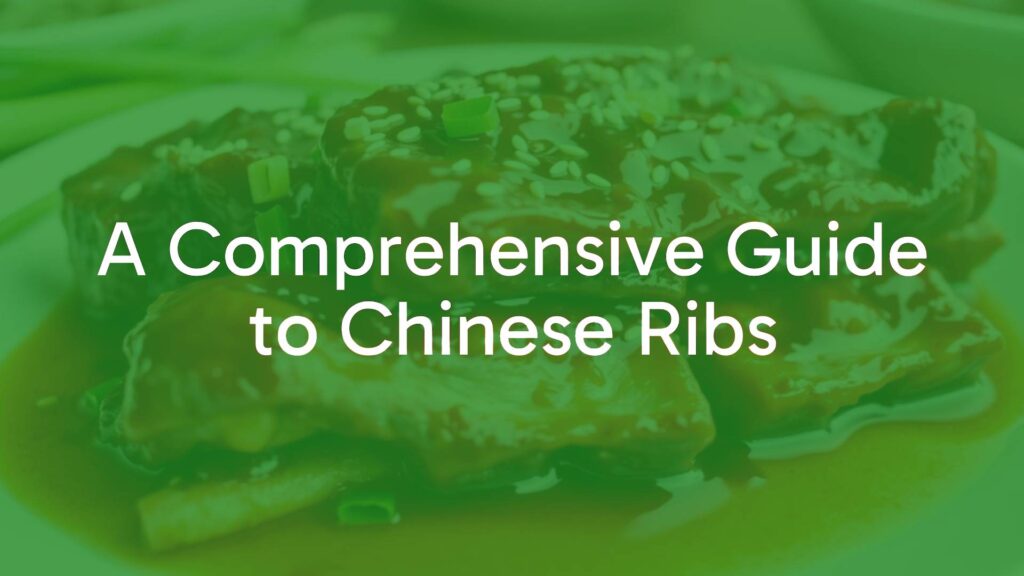
Chinese ribs are a beloved dish in Chinese cuisine, celebrated for their rich flavors, succulent texture, and visual appeal. Known for their blend of sweet, savory, and sometimes tangy notes, these ribs can be found in many Chinese regional cuisines and are appreciated both as a restaurant delicacy and a homemade comfort food.
Defining Features and Taste Profile
Chinese ribs typically use pork spare ribs or baby back ribs, cut into manageable pieces. What sets them apart is the signature marinade or sauce—often a blend of soy sauce, Shaoxing wine or rice wine, sugar, garlic, ginger, and sometimes five-spice powder. This marinade imparts a deep, complex flavor with sweet, umami, and aromatic undertones. The finished ribs are usually glossy and lacquered, thanks to the caramelization of sugars during braising or roasting.
Historical Roots and Regional Importance
The tradition of cooking pork ribs stretches back centuries in China, with evidence of pork as a staple in both imperial banquets and everyday meals. Ribs are especially popular in regional cuisines such as Cantonese and Shanghainese. Cantonese-style ribs, often known as “char siu” ribs, feature a sweet and savory glaze, while Shanghainese versions may be braised and present a darker, more caramelized flavor. Each region has adapted ribs to local tastes and available ingredients, making them a versatile dish with deep cultural resonance.
Core Ingredients and Preparation Methods
The essential components of Chinese ribs revolve around pork ribs themselves and key condiments:
- Pork ribs – usually spare ribs or baby backs, cut into sections
- Soy sauce – for umami depth and color
- Sugar – most often white or brown sugar, honey, or maltose for sweetness and gloss
- Chinese rice wine or Shaoxing wine – to add aromatic flavor
- Garlic and ginger – for pungency and warmth
- Five-spice powder (optional) – for complexity
The ribs may be steamed, braised, or oven-roasted, often culminating in a final glazing or reduction to achieve a sticky, flavorful coating. The resulting dish boasts tender meat that either clings to or falls off the bone, depending on cooking time and method.
Common Variations and Adaptations
Chinese ribs come in several styles, each with unique touches:
- Sweet and sour ribs – featuring a tangy sauce made from vinegar, sugar, and ketchup or tomato paste
- Char siu ribs – inspired by Cantonese barbecue, with a distinctive reddish hue and sweet-savory seasoning
- Braised soy sauce ribs – slow-cooked in soy sauce and aromatics until deeply seasoned and tender
- Spicy Sichuan ribs – featuring chili peppers, Sichuan peppercorns, and fermented bean paste for a bold, numbing sensation
Substitutions can be made based on dietary needs or ingredient availability. For example, chicken drumettes may be used for a lighter take, or tofu for a vegetarian version. Sugar alternatives and gluten-free soy sauce can accommodate specific restrictions.
Serving Suggestions and Pairings
Chinese ribs are commonly served as a main course, often with steamed rice, stir-fried vegetables, or simple noodles to soak up the savory sauce. They pair well with crisp, aromatic white wines like Riesling or Gewürztraminer, as well as Chinese teas such as oolong or pu-erh. For a festive spread, they can be part of a larger banquet alongside dim sum, pickled vegetables, or braised greens.
The Lasting Appeal of Chinese Ribs
From bustling restaurants to family kitchens, Chinese ribs hold an enduring place in Chinese food culture. Their irresistible combination of tender meat, glossy glaze, and aromatic flavors ensures their continued popularity on tables around the world. Whether enjoyed as comfort food or at celebratory gatherings, Chinese ribs remain a delicious testament to the richness and variety of Chinese culinary traditions.
