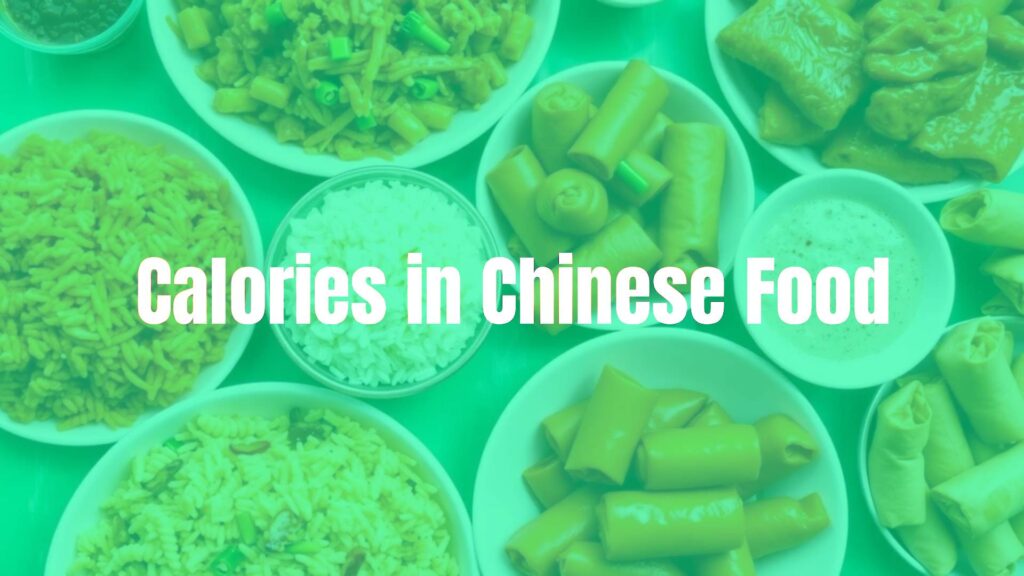
Chinese food is loved for its bold flavors, different textures, and enticing smells. After a busy day, it’s common to want some Chinese takeout, but many people wonder: how many calories are really in these dishes? The answer isn’t always simple. While authentic Chinese meals often use fresh vegetables, lean meats, and simple cooking, the versions found in many takeout spots in the United States and other Western countries can be much higher in calories.
Popular Chinese takeout dishes-especially ones that are deep-fried, come with heavy sauces, or are served in very large portions-can have a lot of calories, sugar, and salt. A big Chinese meal could easily equal or exceed the calories most people need in an entire day. That doesn’t mean you need to avoid Chinese food. Instead, it helps to learn what makes some dishes heavier than others and how you can make choices that fit your goals.

Is Chinese Food High in Calories?
Many people think Chinese food is always high in calories, and for many takeout choices, this is true. This isn’t because all Chinese food is unhealthy, but because the most popular takeout options often have a lot of oil, sweet sauces, and are served in big portions, making it easy to eat more calories than you might realize.
- Deep-frying and thick sauces add extra fat and sugar
- Large servings often lead to overeating
Being aware of these factors helps you order smarter, so you don’t eat more calories than you expect.
Typical Calorie Counts for Restaurant-Style Chinese Food
Certain takeout meals can add up quickly. A single Chinese dinner can often range from 1,500 to 2,000 calories or more, which is close to what many adults need for an entire day.
| Dish | Approximate Calories per Serving |
|---|---|
| Egg Roll | 200 |
| Fried Rice | 1,500 |
| General Tso’s Chicken (with rice and sauce) | 1,600 |
Combining just these three could mean you are eating more than 3,000 calories in one meal.

How Chinese Food Stacks Up Against Other Takeout
Chinese food is often as calorie-dense as other favorites like pizza. While a slice of pizza might have 200-300 calories, a typical Chinese meal (an entree plus sides) usually has even more. This is mainly because of frying, sugary sauces, and large portions. However, just as you can make pizza healthier, you can also find lighter Chinese meals if you look for them.
Compared to cuisines like sushi or many salad-based restaurants, standard Chinese takeout options tend to be higher in calories, but healthier options are available if you know what to look for.
What Adds Calories to Chinese Food?
It’s not just the ingredients that determine calories, but also how food is cooked and served. Knowing what adds extra calories helps you pick dishes that better fit your needs.
- Cooking methods (like deep-frying vs. steaming)
- The type and amount of sauce
- How much oil is used
- Portion size
Even healthy items can end up high-calorie if prepared with a lot of oil or sauce, or if eaten in large portions.
How Cooking Style Changes Calories
How your food is cooked affects its calories:
- Deep-fried foods (like General Tso’s chicken or fried dumplings) are high in fat and calories
- Stir-fried foods can be much healthier if little oil is used
- Steamed foods (like steamed dumplings or vegetables) are the best choice for lower calories

Sauces and Oils: The Hidden Calories
Sauces make Chinese food tasty, but they often have lots of sugar, salt, and fat. Thick or sticky sauces (like sweet and sour or General Tso’s) can add hundreds of calories. Besides, cooking oil-even if you can’t see it-adds pure fat, which adds up fast.
Asking for sauce on the side or choosing lighter, broth-based sauces can make a big difference in cutting calories.
Portions: Bigger Means More Calories
Takeout portions are often much larger than one person needs. Many boxes or trays can hold up to four cups of food, with all those calories hidden inside. It’s easy for a meal to get out of hand just because the serving size is so big.
Sharing your meal, saving half for later, or dishing out a smaller amount can help keep your calorie intake reasonable.
Calories in Popular Chinese Food Dishes
Let’s look at some common dishes and see how many calories they have. This information can help you choose wisely:
| Dish | Calories (approx.) |
|---|---|
| Egg Roll | 200 |
| Crab Rangoon (per piece) | >100 |
| BBQ Spareribs (4 pieces) | 600 |
| Wonton Soup (1 cup) | 100 |
| Fried Rice | 1,500 |
| General Tso’s Chicken | 1,600 |
A combo meal of egg roll, soup, fried rice, and General Tso’s chicken might be over 3,000 calories!
Calories in Rice (Fried, Steamed, and Alternatives)
- White Rice (1 cup): ~200 calories
- Fried Rice (1 serving): ~1,500 calories
- Brown Rice (1 cup): ~215 calories, but more fiber and nutrition
- Cauliflower Rice (1 cup): ~30 calories-great for low-calorie needs
Calories in Noodle Dishes
- Lo Mein: ~1,100 calories per order
- Chicken Chow Foon: ~1,200 calories
- Chicken Chow Mein (with crispy noodles): ~700 calories
These dishes tend to be high in both carbs and fat due to noodles and oil.

Calories in Appetizers (Spring Rolls, Dumplings)
- Spring Roll: ~100 calories
- Egg Roll: ~200 calories
- Crab Rangoon (per piece): over 100 calories
- Steamed Vegetable Dumplings (6): ~400 calories
- Steamed Pork Dumplings (6): ~500 calories
Steamed options are almost always better than fried ones.
Main Entrees: Calorie Breakdown
| Dish | Calories (approx.) |
|---|---|
| General Tso’s Chicken | 1,400 – 1,600 |
| Orange Crispy Beef | 1,000 – 1,500 |
| Lemon Chicken | 1,400 |
| Beef with Broccoli | 900 |
| Sweet and Sour Pork | 1,300 |
| Moo Goo Gai Pan | 600 |
| Shrimp with Lobster Sauce | 400 |
| Chop Suey (per cup) | 241 |
Soup and Side Dishes
- Wonton Soup (cup): ~100 calories
- Egg Drop Soup (cup): ~65-90 calories
- Fried Noodles (small pack): ~150 calories
- Eggplant in Garlic Sauce: up to 1,000 calories
- Szechuan String Beans: ~600 calories
Simple, broth-based soups are a good way to start a meal without many calories.
Best Low-Calorie Chinese Food Choices
With some smart picks, you can enjoy Chinese food without all the extra calories. Look for dishes with vegetables, lean meats, and lighter cooking.
Vegetable-Filled Dishes
- Buddha’s Delight: Mixed vegetables and sometimes tofu, usually lower in calories, especially when steamed
- Chop Suey: Loaded with water chestnuts, cabbage, and bean sprouts; good with lean meat and brown rice
- Szechuan String Beans: Lower oil versions can be healthy-just ask for less sauce
The more fresh vegetables, the lower the calories and the more you’ll fill up without overeating.

Lean Protein Options
- Moo Goo Gai Pan (per cup): ~170 calories, mainly chicken and vegetables
- Chicken and Broccoli (per cup): ~145 calories
- Shrimp with Lobster Sauce (per cup): ~279 calories
- Tofu Dishes: Tofu replaces meat for lower calories and less fat
Pick dishes with grilled, steamed, or lightly sautéed proteins and ask for less oil if you can.
Healthier Appetizers and Soups
- Wonton or Egg Drop Soup (cup): ~100 calories or less
- Steamed Vegetable Dumplings (per dumpling): ~40 calories
Opt for dumplings over fried starters and soups over crunchy fried snacks to save calories and sodium.
High-Calorie Chinese Food to Limit
Some Chinese foods are best saved for an occasional treat or eaten in small portions. These are often high in calories because of the way they’re cooked or the sauces used.
Fried and Breaded Foods
- General Tso’s Chicken, Orange Chicken, Lemon Chicken: 1,000-1,400+ calories per serving
- Egg Rolls, Crab Rangoon: high in fat and calories because of frying
Switching to steamed or grilled versions if available will help keep calories down.
Sugary Sauces and Glazed Meats
- Sweet and Sour Pork: ~1,300 calories per serving
- Any dish with thick, sticky sauce: lots of added sugar and oil
Get sauce on the side to use less, or ask for a lighter sauce option.
Heavy Rice and Noodle Dishes
- Fried Rice: up to 1,500 calories per serving
- Lo Mein: up to 1,100 calories per order
These are best swapped for steamed rice or dishes centered around vegetables and protein instead of lots of starch.
Tips for Ordering Lighter Chinese Food
You can enjoy Chinese food and keep the calories under control if you follow some easy guidelines:
- Ask for Changes: Request your food to be steamed instead of fried, use light oil, or have sauce on the side.
- Smart Swaps: Swap fried rice for steamed or brown rice, and order broth-based soups or steamed dumplings instead of fried apps.
- Watch Your Portions: Decide on how much you’ll eat, and save or share the rest to avoid overeating.

Use a plate instead of eating from the takeout box so you can better control how much you’re actually eating.
Frequently Asked Questions About Chinese Food Calories
Is Chinese Food OK for Weight Loss?
Yes, you can eat Chinese food and lose weight if you make smart choices. Go for steamed, boiled, or lightly stir-fried dishes with lean meat or seafood and lots of vegetables. Stay away from fried foods, heavy sauces, and big portions of rice or noodles.
Which Chinese Food Has the Fewest Calories?
The dishes with the least calories are steamed or broth-based and full of veggies and lean meat or tofu-think steamed dumplings, wonton or egg drop soup, and simple proteins with vegetables in a light sauce.
Is Chinese Food High in Carbs?
Many Americanized Chinese dishes are high in carbs due to lots of rice, fried rice, and noodles. Even battered meats add to the carb load. Authentic Chinese meals usually have more vegetables and smaller amounts of rice or noodles, so they aren’t as carb-heavy.
Is the Typical Chinese Diet Healthy?
It depends on the style. Traditional Chinese meals have lots of vegetables, some lean protein, and small portions of grains. Western versions often add heavy sauces and fried foods, making them higher in calories and fat.
Does MSG or Salt Add Calories?
MSG and salt (sodium) do not add calories. They just make food taste better. However, too much MSG can make food more appealing, possibly leading you to eat more. High salt can cause water retention, making you feel heavier, but does not actually add calories.
Bottom Line on Chinese Food Calories
Chinese food can be high in calories-especially popular restaurant or takeout dishes-but you don’t have to give it up. If you pay attention to how food is cooked, what sauces are used, and how much you eat, you can easily choose meals that fit a healthy way of eating. Steamed dishes, lean proteins, and extra veggies are the safest bets. Always ask for sauces on the side, control your portion size, and enjoy your meal in moderation. With these tips, you can keep enjoying Chinese food while also looking after your health!
