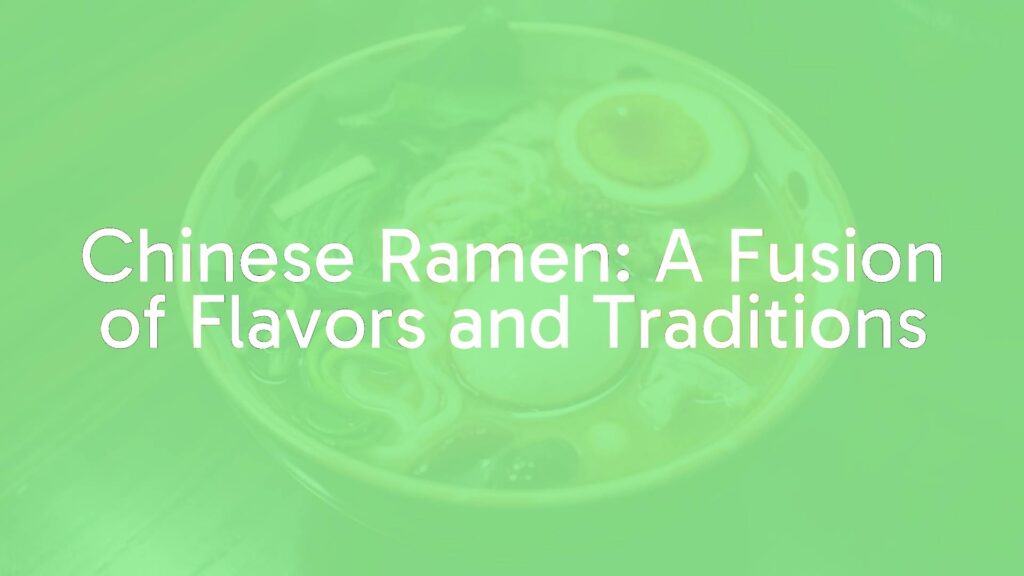
Exploring Chinese Ramen: A Unique Culinary Crossroad
Chinese ramen, sometimes known as “lamian” or Chinese-style wheat noodles in broth, occupies a fascinating niche at the intersection of Chinese and Japanese culinary traditions. While ramen is more widely recognized as a staple of Japanese cuisine, its origins are deeply rooted in Chinese noodle-making culture. This article delves into the distinctive features, history, ingredients, and serving ideas that define Chinese ramen.
What Makes Chinese Ramen Unique?
Chinese ramen differentiates itself with its chewy, hand-pulled wheat noodles, often boasting a springy texture and a slightly alkaline taste. The broths vary widely but are typically lighter and clearer than their Japanese counterparts, highlighting delicate flavors of chicken, beef, or aromatic soy sauces. The toppings—ranging from thinly sliced meats and leafy greens to marinated eggs—celebrate both simplicity and diversity.
Origins and Cultural Significance
The story of Chinese ramen begins with the ancient craft of lamian (拉面), literally “pulled noodles.” Originating in northwest China, particularly in Gansu and Shaanxi provinces, the technique involves stretching and folding dough to create noodles with signature elasticity. Over time, these noodles journeyed to Japan, influencing the early development of Japanese ramen. In China, lamian stalls are common in cities with Hui Muslim populations, where noodle-soup traditions continue to thrive.
Key Ingredients and Components
At its heart, Chinese ramen features the following primary elements:
- Noodles: Fresh, hand-pulled wheat noodles, prized for their chewiness and bounce.
- Broth: Traditionally clear, made from chicken, beef, or occasionally pork bones, often seasoned with soy sauce, ginger, and scallion.
- Proteins: Thinly sliced beef, chicken, or braised meats are common, though tofu or egg can be substituted for a vegetarian option.
- Vegetables: Leafy greens such as bok choy, spinach, or Chinese cabbage add freshness and color.
- Garnishes: Chopped scallions, cilantro, and sometimes a touch of chili oil or pickled mustard greens for added complexity.
Regional Variations and Adaptations
Across China, variations abound. Lanzhou beef noodles, famous for their clear spiced broth, hand-pulled strands, and sliced beef, represent a celebrated example. In coastal regions, seafood-based broths and tender wontons might accompany the noodles. Some urban takes feature rich, soy sauce-based broths and diverse toppings, reflecting the dish’s adaptability. For those seeking alternative ingredients, dried or machine-cut noodles can offer convenience, though they differ slightly in mouthfeel.
Serving Suggestions and Pairings
Chinese ramen is best enjoyed hot, often accompanied by simple sides such as pickled vegetables, marinated tofu, or steamed buns. As a meal, it pairs well with classic Chinese teas—such as jasmine or tieguanyin—whose clean profiles complement the savory broth. For diners seeking a heartier experience, a touch of chili oil or black vinegar can be added to intensify flavor.
Conclusion
Chinese ramen serves as a delicious crossroads of tradition and innovation, combining centuries-old noodle-making artistry with fresh flavors and regional twists. Whether savored at a bustling noodle shop or prepared at home, this dish offers a comforting yet dynamic experience for noodle lovers everywhere.
