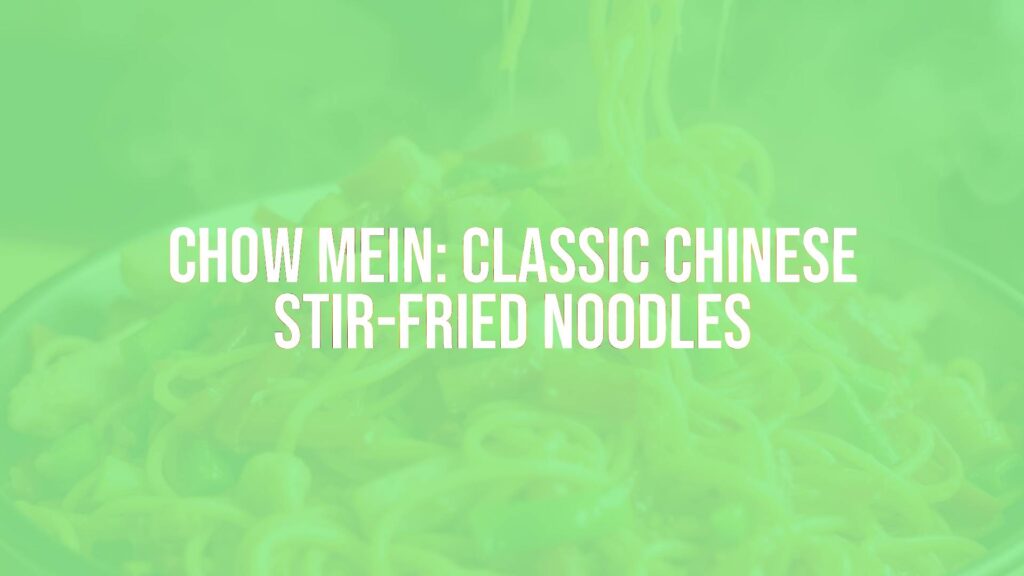
Introduction to Chow Mein
Chow mein is a beloved staple in Chinese cuisine known for its flavorful stir-fried noodles combined with an array of vegetables, proteins, and savory sauces. Served in countless restaurants and homes both in China and abroad, chow mein’s versatility and satisfying texture have secured its place as a global favorite. The name “chow mein” translates literally to “stir-fried noodles,” which succinctly describes both its cooking method and its key ingredient.
Characteristics and Flavor Profile
Chow mein is distinct for its wheat-based egg noodles, which are quickly stir-fried at high heat to lend a subtle chew or, in some variations, a crisp exterior. The flavors are typically savory and umami-rich, built from soy sauce, oyster sauce, and aromatics like garlic, with a balance of sweetness and saltiness. The inclusion of fresh vegetables—such as bean sprouts, cabbage, and scallions—adds crunch and color, while meats like chicken, pork, or beef, or seafood like shrimp, provide heartiness. Vegetarian versions are also widely enjoyed.
Historical Background and Regional Variations
Originating in Cantonese cuisine, chow mein first gained major popularity in Guangdong province before spreading throughout China and then worldwide with Chinese diaspora communities. While Cantonese-style chow mein typically features thin, crisp-fried noodles, there are regional differences: in northern China, the noodles are softer and stir-fried until just tender, while in the West, adaptations often fuse Chinese and local influences for new flavor profiles.
Key Ingredients
The core components of chow mein include:
- Noodles: Thin, wheat-based, often with egg; the choice of noodle impacts texture, from chewy to crispy.
- Proteins: Common choices include sliced chicken, beef, pork, shrimp, or tofu.
- Vegetables: Cabbage, bell peppers, carrots, bean sprouts, and scallions are classic additions.
- Sauces: Soy sauce, oyster sauce, and sometimes hoisin or sesame oil blend for depth of flavor.
Common Preparations and Variations
Chow mein comes in two primary styles:
- Crispy chow mein: Noodles are pan-fried until golden and slightly crunchy, then topped with stir-fried meats and vegetables.
- Soft chow mein: Noodles are stir-fried together with the other ingredients, remaining tender and springy.
Regional and personal variations abound. Some recipes use thicker noodles or swap out traditional vegetables for others in season. Gluten-free or vegan adaptations may utilize rice noodles or plant-based proteins.
Serving Suggestions and Pairings
Chow mein is typically enjoyed hot as a main dish, either alone or accompanied by other Chinese entries such as sweet and sour pork, egg rolls, or dumplings. Its savory profile pairs well with light soups or pickled sides. For beverages, green tea or jasmine tea offer a refreshing contrast, while light lagers are popular in restaurant settings.
Conclusion
Chow mein’s enduring appeal lies in its combination of flavorsome stir-fried noodles, adaptability to many ingredients, and its comforting yet lively taste. Whether crispy or soft, homemade or restaurant-prepared, chow mein stands as a representative of Chinese culinary ingenuity and tradition, appreciated worldwide in countless delicious forms.
