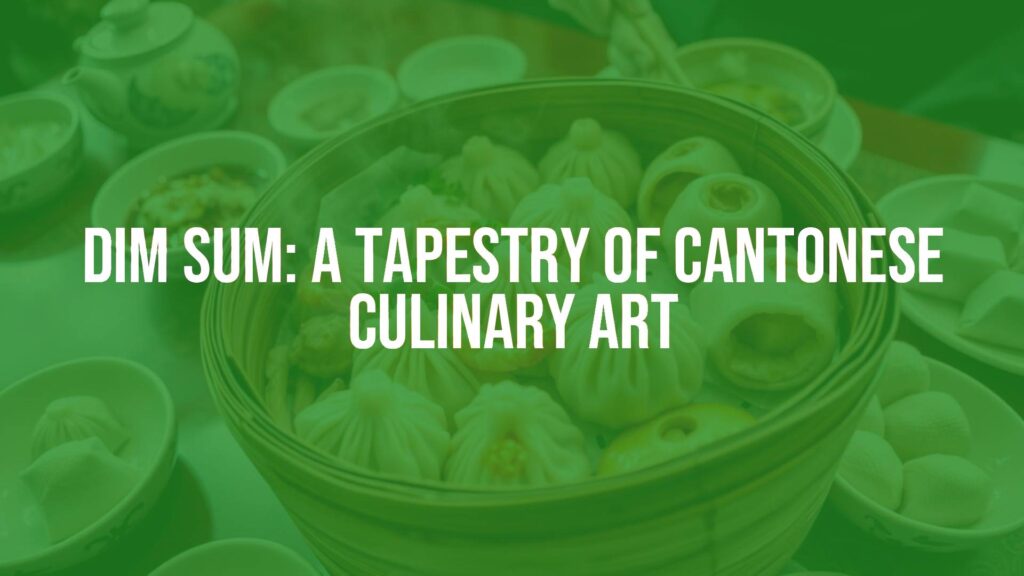
Discovering Dim Sum
Dim sum encapsulates a centuries-old tradition of bite-sized dishes enjoyed over leisurely meals, most notably within the context of Cantonese teahouses. Famed for its dizzying array of flavors and forms, dim sum is as much a social ritual as it is a culinary one, offering sampling-sized foods designed to delight and share. From delicate dumplings to fluffy buns, the dim sum experience is a cornerstone of Chinese hospitality and culture.
The Essence and Variety of Dim Sum
Dim sum—which translates literally as “touch the heart”—captures a wide spectrum of morsels, both savory and sweet. Steamed, pan-fried, baked, or deep-fried, these dishes often arrive in bamboo baskets or on small plates, ready to be shared among friends and family. Staples include har gow (shrimp dumplings), siu mai (open-topped pork dumplings), char siu bao (barbecue pork buns), and cheung fun (rice noodle rolls). Accompanying these are steamed greens, century egg congee, egg tarts, and more, all presented in modest portions to encourage variety.
Culinary Characteristics: Texture, Flavor, and Presentation
One of dim sum’s trademarks is the spectrum of textures and flavors discovered in a single sitting. Soft, translucent dumpling skins reveal juicy fillings, while crisp spring rolls provide satisfying crunch. Dishes are often subtly seasoned with fresh ingredients—shrimp, pork, mushrooms, and bamboo shoots—enhanced with ginger, soy, sesame oil, or oyster sauce. Visually, dim sum is colorful and inviting, designed to appeal to both palate and eye, often garnished with tiny shrimp, pea shoots, or delicate folds in the pastry.
Historical Roots and Regional Identity
Originating in the teahouses of southern China, particularly Guangzhou (Canton), dim sum has deep historical connections to the practice of yum cha (“drink tea”). What began as light snacks for travelers on the Silk Road blossomed throughout the 19th and 20th centuries into a hallmarked feature of Cantonese cuisine. Today, while Cantonese dim sum prevails globally, regional variations exist: Shanghai boasts xiaolongbao (soup dumplings), while the north may offer different types of steamed buns or wheat pastries as part of their version of dim sum service.
Key Ingredients and Defining Elements
The foundational components of dim sum include rice and wheat flours for wrappers and buns, proteins such as pork and shrimp, and seasonal vegetables like chives and mushrooms. Dishes are usually hand-crafted to precise specifications, favoring the use of fresh ingredients to create nuanced flavors unique to each variety. Dipping sauces—like chili oil, black vinegar, or soy—are often provided for further customization.
Common Variations and Modern Adaptations
While traditional dim sum is celebrated, modern chefs continue to innovate with fusion fillings (such as truffle or foie gras) or alternative flours for gluten-free options. Vegetarian and vegan variants are increasingly available, often substituting tofu, jackfruit, or various plant-based proteins in classic preparations. Unique regional specialties and contemporary pastries frequently find their way onto the dim sum cart, ensuring the tradition remains vibrant and dynamic.
Serving Dim Sum: Ritual and Pairings
Dim sum is customarily enjoyed during midday, accompanied by an assortment of Chinese teas like pu-erh, jasmine, or chrysanthemum, which help cleanse the palate and complement the savory dishes. For modern meals, dim sum can be paired with light white wines, sparkling beverages, or even craft beers, depending on preference. The meal’s communal spirit encourages sharing, conversation, and a leisurely pace, making it ideal for gatherings both intimate and large.
Conclusion
With its rich tapestry of flavors, textures, and cultural meaning, dim sum stands as both a culinary journey and a celebration of Chinese communal dining. Whether savored in bustling teahouses or recreated at home, its appeal endures across borders and generations, continually adapting while remaining true to its heart-touching origins.
