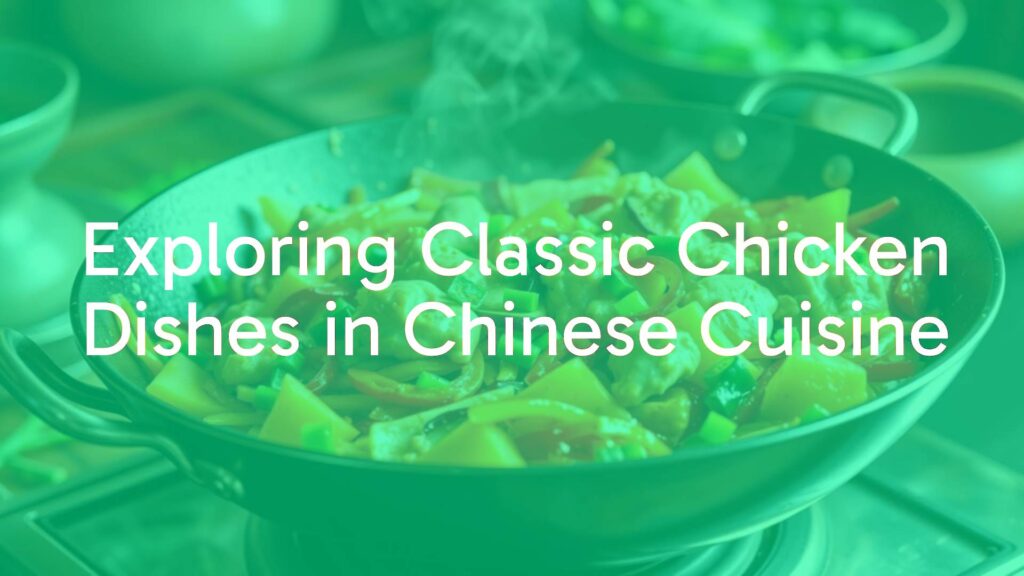
Introduction to Chicken in Chinese Cuisine
Chicken holds a pivotal place in Chinese culinary traditions. Valued for its culinary versatility and cultural symbolism, chicken appears in countless regional dishes across China, each showcasing distinct flavors, textures, and preparation styles. From aromatic stir-fries to robust stews, chicken is a mainstay that features in daily meals and festive banquets alike.
The Distinctive Qualities of Chinese Chicken Dishes
Chinese chicken dishes are celebrated for their variety, balance of flavors, and integration of aromatic ingredients. Typical chicken preparations range from quick stir-fries and gentle poaching to deep-frying and braising, each tailored to enhance the natural taste and succulence of the poultry. The harmonious combination of savory, sweet, sour, and spicy elements is a hallmark of many classic recipes.
Historical and Cultural Background
In Chinese culture, chicken symbolizes auspiciousness and good luck, making it a popular centerpiece at celebratory occasions and family gatherings. The use of chicken in Chinese food dates back thousands of years, with records from the Shang and Zhou dynasties depicting it as both sustenance and sacrificial offering. Over centuries, regional culinary styles—such as Cantonese, Sichuan, and Shandong—have each developed their own chicken specialties reflecting local ingredients and preferences.
Key Ingredients and Flavor Profiles
The magic of Chinese chicken dishes often lies in a few essential components. Soy sauce, ginger, garlic, Chinese rice wine, scallions, and star anise are frequently used to marinate or season chicken meat, imparting depth and aroma. Depending on the region, additional ingredients such as chilies (in Sichuan cuisine), fermented black beans, or citrus peel may be used to create unique and memorable flavors.
Notable Varieties of Chinese Chicken Dishes
Chicken manifests in numerous iconic Chinese dishes. Among the most renowned are:
- Kung Pao Chicken (宫保鸡丁): A Sichuan classic with cubed chicken, peanuts, and fiery dried chilies in a tangy, addictive sauce.
- White Cut Chicken (白切鸡): A Cantonese specialty featuring gently poached chicken served with ginger-scallion dipping sauce.
- Three Cup Chicken (三杯鸡): Originating from Jiangxi and popular in Taiwan, this dish is simmered with equal parts soy sauce, rice wine, and sesame oil, along with fresh basil.
- Lemon Chicken: Crispy battered chicken coated in a vibrant lemon sauce, commonly found in overseas Chinese restaurants.
Subtle tweaks—such as swapping dark or light soy sauce, adjusting spice levels, or choosing between whole chicken and bone-in parts—create endless possibilities within each style.
Ingredient Alternatives and Adaptations
While traditional recipes often call for native Chinese ingredients, many global cooks substitute based on availability. For example, sherry can stand in for Shaoxing rice wine, while regular onions may replace scallions. Tofu or mushrooms might be used as plant-based alternatives for those seeking meat-free versions, while gluten-free sauces can be swapped in for dietary needs.
Serving Suggestions and Pairings
Chicken dishes are commonly served with steamed jasmine rice or noodles, which soak up flavorful sauces and gravies. Accompaniments such as stir-fried vegetables, pickled cucumbers, or light broths complement the rich flavors of the main dishes. For beverages, Chinese jasmine tea or light lagers are popular choices to refresh the palate. At banquets, chicken is often served family-style, inviting communal enjoyment and celebration.
Conclusion
Chicken dishes in Chinese cuisine represent more than just delicious meals—they embody regional character, communal values, and a long culinary heritage. Whether you enjoy them in a humble home kitchen or at a festive gathering, these dishes offer a fulfilling taste of China’s diverse food culture.
