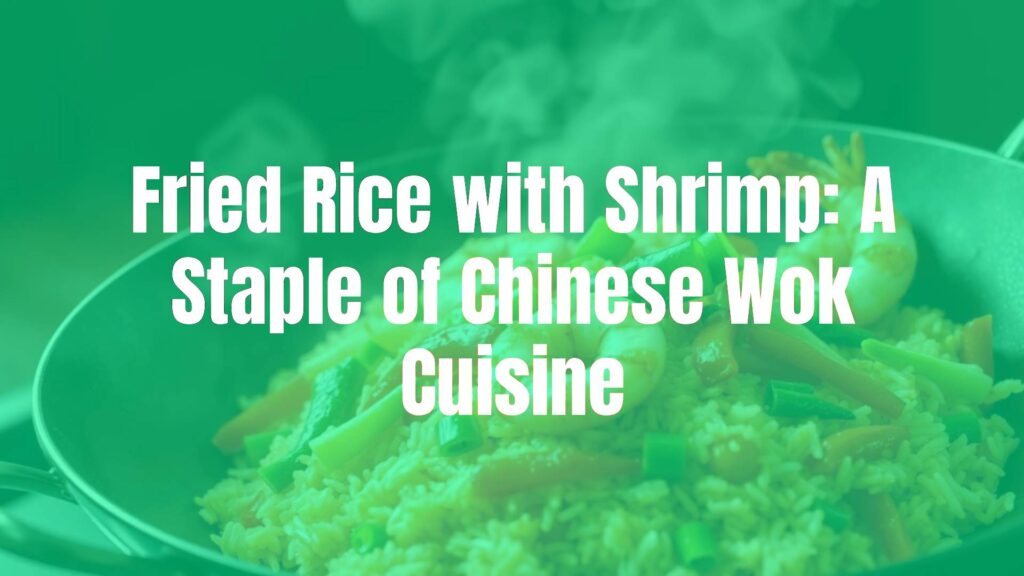
Understanding Fried Rice with Shrimp
Fried rice with shrimp, known as xiā rén chǎo fàn (虾仁炒饭) in Mandarin, is a beloved dish in Chinese cuisine celebrated for its harmonious blend of flavors, colors, and textures. Often found both in modest home kitchens and high-end restaurants alike, this dish epitomizes the ingenuity and resourcefulness of Chinese cooking by transforming everyday ingredients into a fragrant, satisfying meal.
Distinctive Qualities
What distinguishes fried rice with shrimp is its delicate balance between the savory notes of well-seasoned rice, the succulent sweetness of shrimp, and a colorful medley of vegetables. Typically, day-old rice is used for its firmer texture, which prevents the dish from becoming mushy during stir-frying. Quick wok-frying yields a lightly smoky aroma, often referred to as wok hei, that is highly prized in authentic Chinese fried rice.
Key Ingredients and Preparation Approach
At its core, this dish features steamed white rice, plump shrimp (usually peeled and deveined), eggs, and a selection of diced vegetables such as peas, carrots, and scallions. Seasonings like soy sauce, white pepper, and sometimes sesame oil are used to enhance flavor without overpowering the natural sweetness of the shrimp. The quick, high-heat cooking method ensures that each component retains its unique flavor and a pleasingly firm bite.
Historical and Regional Significance
Fried rice itself has roots tracing back to the Sui Dynasty (589–618 AD) as a practical way to repurpose leftover rice and ingredients. The addition of shrimp is especially popular in coastal regions of China, particularly Guangdong (Cantonese) cuisine, where fresh seafood is abundant. In Cantonese-style fried rice, the use of large, fresh shrimp signifies the region’s emphasis on quality seafood and subtle, clean flavors.
Common Variations and Ingredient Swaps
Many local variants exist across China and beyond. Some versions include additional proteins like char siu (Chinese barbeque pork) or chicken alongside shrimp. Vegetables might differ based on seasonality or personal preference, introducing ingredients such as corn, bell peppers, or sprouts. For a healthier or gluten-free adaptation, low-sodium soy sauce or tamari can be used, and brown rice or even cauliflower rice may serve as a substitute for white rice.
Serving and Pairing Suggestions
Fried rice with shrimp is typically served as a main course or as one dish among several in a larger Chinese meal. It pairs well with light soups such as egg drop or hot-and-sour soup, and can be complemented by pickled vegetables or simple stir-fried greens to add contrasting textures. For beverages, green tea or jasmine tea are common choices, helping to cleanse the palate and accentuate the freshness of the shrimp.
Conclusion
Fried rice with shrimp remains a testament to the adaptability and vibrancy of Chinese cooking. Its enduring popularity rests on its simplicity, versatility, and the comfort it provides—whether enjoyed at a bustling restaurant or in the warmth of a family kitchen.
