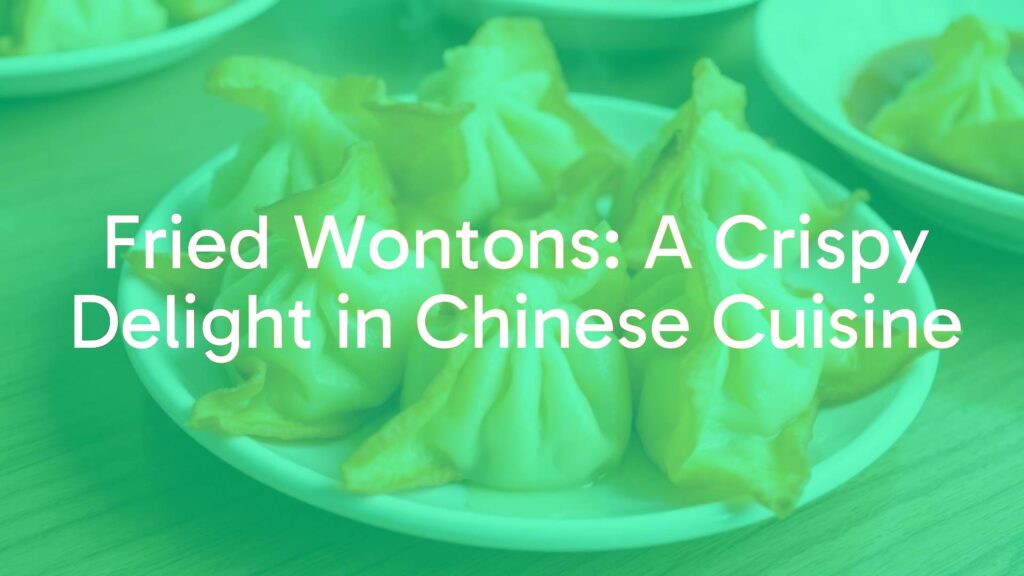
Introduction to Fried Wontons
Fried wontons are a beloved offering in Chinese cuisine, celebrated for their golden, crunchy exterior and flavorful fillings. These bite-sized snacks are a staple at banquets, family gatherings, and dim sum restaurants, known for their irresistible texture contrast and versatility. Often enjoyed as appetizers, party snacks, or street food, fried wontons captivate diners worldwide with their approachable flavors and satisfying crunch.
Origins and Cultural Significance
The origins of wontons can be traced back over a thousand years to Northern China, where they were initially served in soups. The character “wonton” (馄饨, húntún) translates to “swallowing clouds,” a whimsical nod to their delicate, floating appearance in broth. As culinary techniques evolved, chefs began deep-frying these dumplings, particularly in Southern China. Today, fried wontons have found a permanent place in both traditional and modern Chinese culinary scenes, bridging generations and regional tastes.
Essential Components and Preparation
The hallmark of fried wontons lies in their thin wheat-based wrappers, which encase a savory filling. While pork and shrimp are classic choices, fillings may also include chicken, vegetables, or even a sweet bean paste for dessert versions. The wrappers are folded into triangular or purse-like shapes, sealed tightly to prevent leakage during frying. Once submerged in hot oil, they puff up and crisp, transforming into delightfully crunchy morsels. The final result is usually served hot and paired with dipping sauces such as sweet chili, soy-vinegar, or plum sauce.
Flavor, Texture, and Visual Appeal
Fried wontons are renowned for their pronounced crunch, giving way to a warm, juicy filling. The flavor profile is typically savory with subtle hints of garlic, ginger, and scallions, depending on the specific filling. The golden-brown color and irregular crinkled surfaces make them visually inviting. Dipped in sauce, each bite offers a harmonious balance of textures: crispy shell, tender filling, and smooth condiment.
Regional and Modern Variations
Throughout China and among Chinese diaspora communities, fried wontons take on a variety of regional spins. In Cantonese cooking, fillings might include minced shrimp blended with water chestnut for added crunch. Southeast Asian adaptations may incorporate spices or curry powder. In some regions, the dumplings are shaped into tidy envelopes, while others favor more rustic parcels. Vegetarian versions substitute mashed tofu, mushrooms, or cabbage for meat, widening their appeal.
Ingredient Adaptations and Serving Suggestions
While traditional recipes rely on pork and shrimp, home cooks frequently experiment with chicken, turkey, or even plant-based meat alternatives. Gluten-free wrappers can substitute for wheat, and creative fillings such as cream cheese are popular in American Chinese cuisine. Fried wontons are typically accompanied by dipping sauces—soy-garlic, hoisin, or spicy mustard—to brighten and complement their flavor. Beyond their place as appetizers, they can be served atop salads, as crunchy garnishes for noodle soups, or as part of a festive spread alongside dishes such as spring rolls and egg drop soup.
Food Pairings and Occasions
Fried wontons pair beautifully with light, aromatic teas such as jasmine or oolong, which help cut through their richness. For heartier meals, they accompany mains like sweet and sour pork or stir-fried noodles. At celebrations and dim sum feasts, fried wontons are enjoyed alongside a variety of steamed and baked delights, highlighting the breadth of Chinese small-bite traditions. Whether savored as a snack or shared at the table, they remain a testament to Chinese culinary creativity and hospitality.
