Introduction to Jellyfish Salad
Jellyfish salad, known as liáng bàn hǎi zhēn (凉拌海蜇) in Chinese, is a beloved cold dish enjoyed across many regions of China. Prized for its unique texture and ability to carry vibrant flavors, this dish is a staple at banquets and celebratory gatherings, offering a refreshing contrast to richer, heavier fare.
Distinctive Features and Culinary Appeal
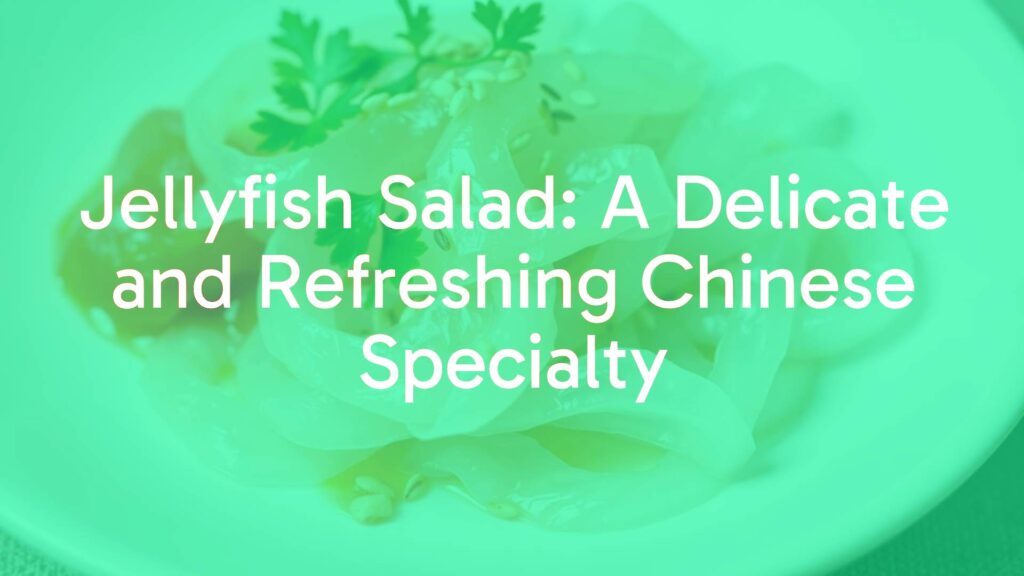
What sets jellyfish salad apart is its singular texture: a delightful crunch and pleasant chew, unlike any other seafood. The jellyfish is usually sliced into thin ribbons or strips, creating a visually appealing dish with a glistening, slightly translucent appearance. The salad is customarily tossed with a bright dressing featuring elements like soy sauce, rice vinegar, sesame oil, sugar, and garlic, yielding a tangy, savory, and slightly sweet flavor profile with nutty and aromatic undertones.
Historical Background and Regional Connections
The consumption of jellyfish in China dates back centuries, with historical records mentioning its use as a delicacy among imperial and aristocratic tables. Coastal provinces such as Shandong, Jiangsu, and Zhejiang are particularly associated with jellyfish salad thanks to their access to high-quality edible jellyfish from the Yellow Sea. Over time, the dish has come to symbolize elegance and hospitality, serving as a highlight of cold appetizer platters in both traditional and contemporary Chinese cuisine.
Key Ingredients and Preparation Techniques
The essential component is the processed, salted jellyfish, which is rinsed and soaked multiple times to remove excess salt and restore its signature crunch. The salad’s crispness is further accentuated by quick blanching or soaking treatments. Seasonings—typically a blend of soy sauce, rice vinegar, sesame oil, and sometimes chili oil—are added just before serving to prevent the jellyfish from becoming soggy. Complementary additions, such as shredded cucumber, carrots, wood ear mushrooms, or sesame seeds, often enhance texture and color.
Popular Variations and Adaptations
Jellyfish salad is highly adaptable. In Shanghai, the dish may include sweet soy sauce or black vinegar, while coastal southern regions might employ spicier or more garlicky dressings. Some home cooks substitute jellyfish with squid or konjac jelly for similar textural effects when jellyfish is unavailable. Vegetarian versions sometimes swap in chewy mushrooms or bamboo shoots to imitate the original’s mouthfeel.
Serving Suggestions and Pairings
Jellyfish salad is best enjoyed chilled, making it a quintessential starter for seafood or multi-course Chinese meals. It pairs especially well with delicate white wines, lightly hopped beers, or floral teas such as jasmine, which accentuate the salad’s refreshing qualities. As an accompaniment, it complements lightly sauced stir-fries, braised meats, or a selection of other cold dishes, contributing a contrast of texture and taste that enlivens the table.
Conclusion
Jellyfish salad stands out as an elegant, texturally innovative specialty within Chinese cuisine. Whether at a festive banquet or enjoyed as a light appetizer at home, it continues to impress with its balance of subtle flavors and its memorable, satisfying crunch.
