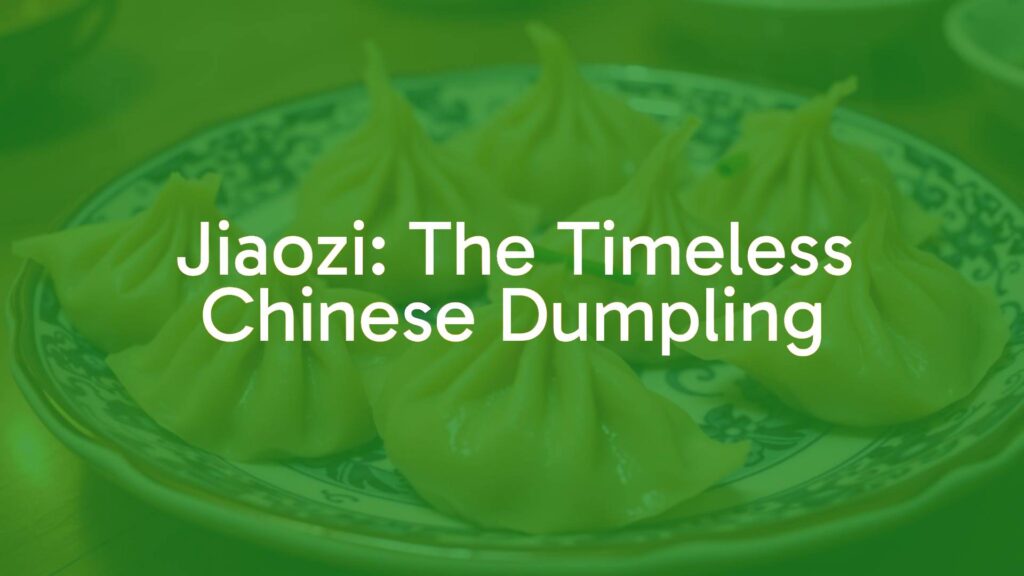
Understanding Jiaozi: More Than Just a Dumpling
Jiaozi are one of the most beloved and instantly recognizable foods in Chinese cuisine. Often translated simply as “dumplings” in English, jiaozi are characterized by thin wrappers of dough enveloping a savory filling. These delightful parcels hold a special place not only on the table but also in the cultural and social fabric of China, especially during festive gatherings and family reunions.
Key Characteristics and Flavor Profile
Jiaozi are typically crescent-shaped, with each dumpling slightly pleated along the top edge. The wrappers have a delicate, chewy texture that contrasts beautifully with the juicy, flavorful filling inside. Common fillings include minced pork mixed with napa cabbage, chives, ginger, and a hint of sesame oil, though regional variations abound. When prepared, the exterior is tender—sometimes with a slight crispness if pan-fried—while the inside is aromatic and moist, bursting with umami and a gentle sweetness from the vegetables.
Historical and Cultural Significance
Records suggest jiaozi originated over 1,800 years ago, credited to the famous physician Zhang Zhongjing during the Eastern Han Dynasty. They were originally created as a warming remedy for frostbitten villagers but quickly became a celebrated food across China. Today, jiaozi are a symbol of wealth and prosperity and are especially central to Lunar New Year celebrations. The act of preparing and folding jiaozi together remains a cherished family tradition signifying unity and good fortune.
Regional Varieties and Preparation Methods
Jiaozi are enjoyed in several forms, each with its regional twist. In northern China, boiled jiaozi (shuijiao) are most common, served either by themselves or in a fragrant broth. In the south, pan-fried dumplings (guotie or “potstickers”) are favored for their crispy bottoms. There are also steamed versions, and each cooking method brings out unique textures. The fillings vary by region, including lamb and carrot in northwest China or shrimp and garlic chives in the southeast.
Essential Ingredients and Component Insights
The core elements of jiaozi include a wheat-based wrapper and a seasoned filling. Pork remains the classic protein, complemented by finely chopped vegetables such as napa cabbage, leek, or shiitake mushrooms. Seasonings typically cover a balance of soy sauce, Shaoxing wine, white pepper, and sesame oil. Vegetarian versions often substitute tofu and mushrooms for meat, providing equally satisfying flavors and textures.
Variations and Adaptations
Beyond the traditional pork and cabbage, modern jiaozi embrace an array of creative fillings: chicken with sweet corn, beef with celery, or even seafood mixes. In gluten-free adaptations, rice or tapioca-based wrappers are sometimes used. While artisanal handmade wrappers are prized, store-bought dumpling skins are a convenient alternative.
Serving Suggestions and Pairings
Jiaozi shine as both a stand-alone dish and a festive appetizer. They are best enjoyed hot, accompanied by dipping sauces like soy-vinegar blends, chili oil, or garlic paste. Tea or light lagers complement the flavors nicely, while in northern China, they are also often served with a simple clear soup. For a well-rounded meal, pair jiaozi with stir-fried greens or pickled vegetables.
Conclusion
Jiaozi encapsulate the ingenuity and conviviality of Chinese cooking, thriving as a staple on celebratory and everyday tables alike. Adaptable yet deeply traditional, these dumplings offer a delicious introduction to the diversity and warmth of Chinese cuisine.
