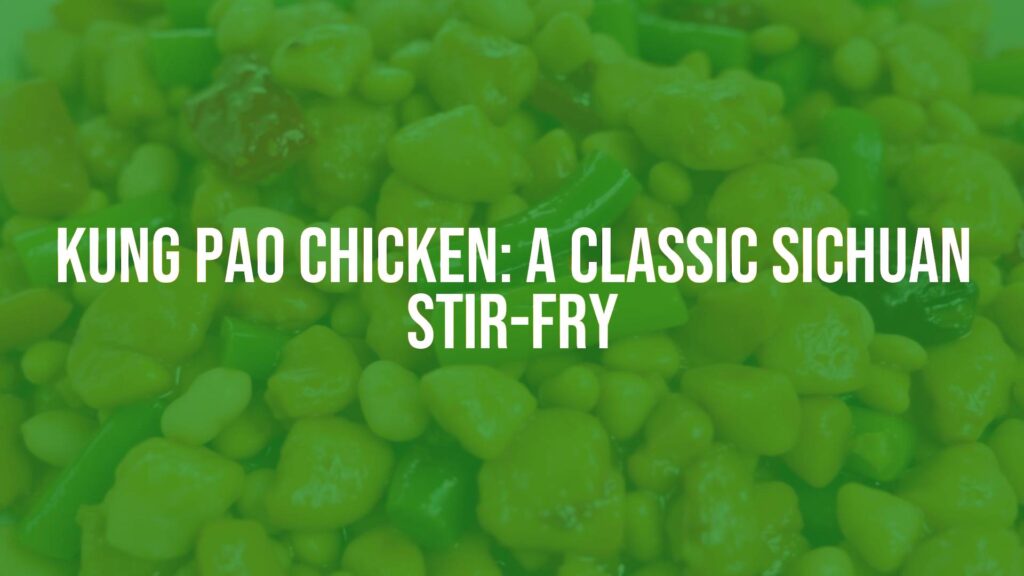
Understanding Kung Pao Chicken
Kung Pao Chicken, known in Chinese as Gong Bao Ji Ding (宫保鸡丁), is one of the most celebrated dishes in Chinese cuisine. Hailing from the Sichuan province, this iconic stir-fry is cherished for its harmonious blend of savory, spicy, sweet, and slightly sour flavors, as well as its signature numbing sensation brought by Sichuan peppercorns. Beyond its compelling taste, Kung Pao Chicken is recognized for its contrasting textures—tender chicken pieces, crunchy peanuts, and crisp vegetables, all glazed in a glossy, aromatic sauce.
The Distinctive Features of Kung Pao Chicken
At its core, Kung Pao Chicken consists of diced chicken, roasted peanuts, and dried chili peppers. What truly sets this dish apart is the careful layering of flavors: the sauce typically combines soy sauce, black vinegar, sugar, and Shaoxing wine, delivering a rich and multidimensional profile. The addition of Sichuan peppercorns gives the dish its characteristic tingling heat, while the combination of ingredients provides both heat and sweetness, complemented by aromatic garlic and ginger.
Historical Background and Cultural Importance
The creation of Kung Pao Chicken is attributed to Ding Baozhen, a Qing Dynasty official who served as governor of Sichuan in the late 19th century. His official title, “Gong Bao” (Palace Guardian), lent the dish its name. Over time, Kung Pao Chicken became a staple not just in Sichuan households but also in restaurants across China and globally. Its adaptability and universal appeal have fortified its reputation as a versatile comfort food with deep historical roots.
Essential Ingredients and Preparation Techniques
Traditional Kung Pao Chicken relies on key ingredients such as boneless chicken breast or thigh, dried red chilies, Sichuan peppercorns, garlic, ginger, scallions, and roasted peanuts. The chicken is typically marinated and then quickly stir-fried over high heat, preserving its succulence. The sauce, often thickened with a touch of cornstarch, cloaks each morsel in a glossy sheen that carries bold, balanced flavors. Peanuts are usually added near the end for their signature crunch.
Variations and Regional Twists
While the Sichuan version remains the gold standard, many regional and international adaptations exist. In some areas, cashews are used instead of peanuts, or bell peppers and celery may be added for extra color and crunch. Outside China, the dish is sometimes sweetened or mild to suit local palates, omitting the mouth-numbing peppercorns or reducing chili heat. Vegetarian and vegan versions replace the chicken with tofu or plant-based alternatives, and other proteins like shrimp or pork occasionally make appearances.
Serving Suggestions and Pairings
Kung Pao Chicken is most commonly served with steamed white rice, which soaks up the flavorful sauce and balances the dish’s heat. For a more elaborate meal, it’s often accompanied by other Sichuan specialties like mapo tofu, stir-fried greens, or hot and sour soup. To complement the bold flavors, pair Kung Pao Chicken with a light lager, jasmine tea, or a mildly sweet beverage to temper the heat and spice.
Conclusion
Kong Pao Chicken endures as a beloved representative of Sichuan cuisine, revered for its unique blend of textures and flavors. Whether enjoyed in a traditional preparation or a modern variation, its vibrant taste and fascinating history continue to captivate food lovers around the world.
