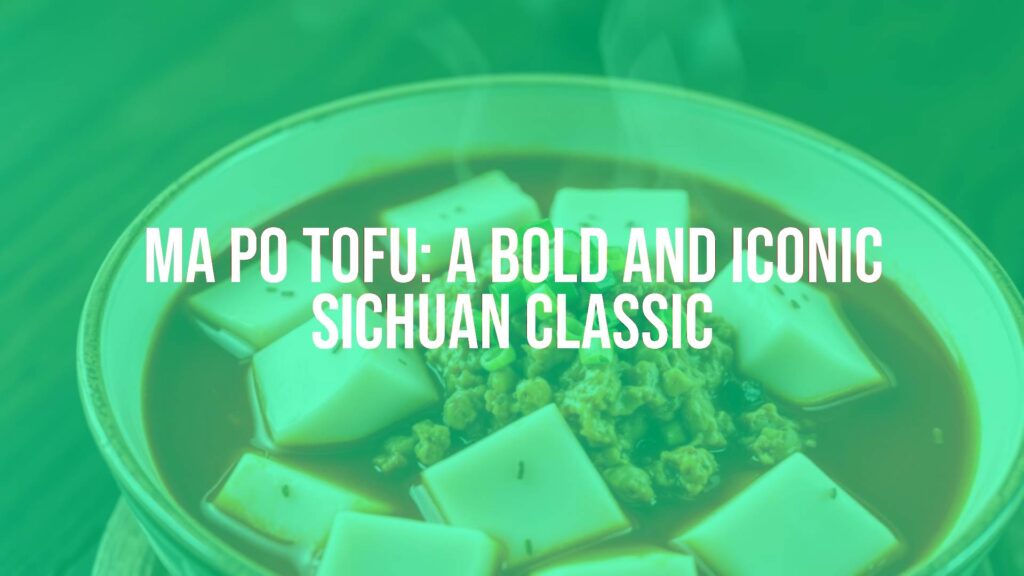
Ma Po Tofu: An Exemplar of Sichuan Flavors
Understanding Ma Po Tofu
Ma Po Tofu (麻婆豆腐) is a celebrated dish from China’s Sichuan (Szechuan) province, renowned for its distinctively spicy, numbing, and aromatic character. Featuring silken tofu cubes bathed in a vibrant sauce brimming with ground pork or beef, chili bean paste, and the defining tingle of Sichuan peppercorns, Ma Po Tofu stands as an enduring symbol of Sichuan’s robust culinary identity. The dish is beloved for its harmonious play of textures and its signature ‘mala’—the dynamism of hot chilli heat paired with the numbing sensation unique to Sichuan pepper.
Historical and Cultural Origins
The origins of Ma Po Tofu trace back to the late 19th century in Chengdu, Sichuan’s capital. Legend attributes its creation to a restaurateur known as Mrs. Chen, who was affectionately called “Ma Po,” meaning “pockmarked old woman” in reference to her facial features. Her recipe became famed among laborers for its ability to transform simple tofu and inexpensive meat into a dish bursting with bold seasonings. Today, Ma Po Tofu is integral to both everyday meals and celebratory banquets, reflecting Sichuan’s penchant for layered flavors and culinary ingenuity.
Defining Ingredients and Traditional Preparation
The soul of Ma Po Tofu lies in a precise combination of elements. At its heart are:
- Soft or silken tofu: The mild, custard-like texture of tofu absorbs and balances the spiciness of the sauce.
- Fermented broad bean and chili paste (Doubanjiang): This essential condiment infuses the sauce with umami depth and vivid crimson color.
- Ground pork or beef: Adds savory richness, though some versions omit meat for a vegetarian approach.
- Sichuan peppercorns: Their unique numbing effect pairs with chili heat to create the defining ‘mala’ sensation.
- Garlic, ginger, green onions: Provide aromatic foundation and brightness.
- Chili oil and soy sauce: For complexity and seasoning.
The dish is typically prepared by gently simmering tofu in the spicy, aromatic sauce until it soaks up the flavors. The presentation is finished with a sprinkling of chopped green onions and a final dusting of crushed Sichuan peppercorns, lending a glossy, inviting appearance.
Flavor Profile, Texture, and Appearance
Ma Po Tofu offers a complex sensory experience: creamy, delicate tofu is enrobed in a thick, spicy red sauce. The chili paste and oil build substantial heat, while the Sichuan peppercorns introduce a citrusy numbness. Fragrant garlic and ginger echo through each bite, and bits of meat provide a contrasting chew to the tofu’s softness. The final dish is boldly colored—deep reds with flecks of green from fresh scallions.
Variations and Modern Adaptations
While ground pork is traditional, beef is also frequently featured, and vegetarian renditions swap in mushrooms or textured soy protein. Some restaurants innovate with tofu firmness (from silken to firm), adjust spice levels, or use less oil for lighter versions. Outside of China, ingredient substitutions such as regular chili bean sauce or black bean sauce may appear when doubanjiang is not available. Certain home-style versions include peas, bell peppers, or even seafood for added texture and flavor.
Serving Suggestions and Pairings
Ma Po Tofu is almost always served hot and fresh, often accompanied by steamed white rice to mellow the heat and soak up the savory sauce. In Sichuan households, it may be one dish among several, balancing richer, milder, or crunchy sides. The dish pairs excellently with light, slightly sweet drinks such as jasmine tea or lightly chilled Chinese lagers, which cut through the intensity. For a more elevated pairing, crisp white wines like Riesling or Gewürztraminer can complement the spicy and aromatic notes.
Conclusion
Ma Po Tofu’s enduring appeal lies in its perfect orchestration of texture, spicy-numbing sensation, and savory depth. Whether enjoyed in a bustling Chengdu eatery or reimagined in global kitchens, it remains a testament to the power and creativity of Sichuan cuisine.
