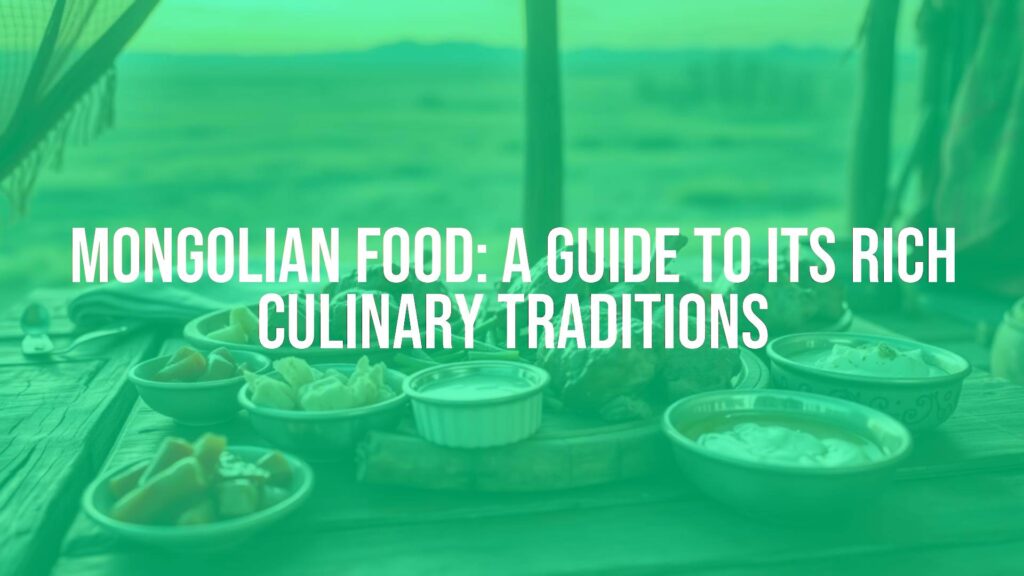
Mongolian food is closely linked to its people’s traditional nomadic way of life and the country’s tough climate. Meals need to help people stay warm and energized, especially during long, freezing winters where temperatures can reach as low as -40°C. As a result, Mongolian dishes are filling, simple, and heavily focused on meat and dairy. Rice isn’t the main part of meals; instead, lamb, beef, and other meats with some noodles and basic vegetables are most common. Dairy from their animals is also an important part of daily eating. The food reflects everyday living, using local resources to create meals that feed and warm those living in wide, open lands.
What Is Mongolian Food?
Mongolian food is different from many other Asian cuisines. It mainly developed from the needs and lifestyle of nomadic herders moving with their animals across the steppes. Because of the harsh weather and open landscapes, most food comes from animals-meat and dairy are used a lot for their energy and fat, keeping people warm through cold months.
The focus on meat and dairy is practical because vegetables and spices are hard to get or grow. Dishes tend to be simple, with salt and onions used more often than any other seasonings. Meals use every part of the animal, and nothing is wasted.

Key Ingredients and Cooking Methods
- Meat: Mutton is the most common, followed by beef, goat, horse, and sometimes camel. Preparation methods include boiling, steaming, or deep-frying, which soften tough meat and keep in the flavor and nutrition.
- Dairy: During the summer, milk from cows, yaks, sheep, goats, and camels is used to make dried curds, cheese, and fermented drinks. These can be stored for use throughout the year.
- Grains and Vegetables: Barley, wheat, and buckwheat are used more than rice. Vegetables are rare, but some like potatoes, carrots, onions, and cabbage may appear in stews or soups.
| Main Food Group | Common Types | How They’re Used |
|---|---|---|
| Meat | Mutton, beef, goat, horse, camel | Boiled, steamed, fried, dried for storage |
| Dairy | Curds, cheese, yogurt, clotted cream, milk drinks | Eaten fresh, dried, or fermented as drinks |
| Grains/Vegetables | Barley, wheat, buckwheat, potatoes, carrots, onions | Noodles, breads, added in soups/steals |
What Makes Mongolian Food Traditional?
Traditional Mongolian food comes from using everything the land and animals offer. Due to the hard climate and nomadic life, protein and fat are important for energy. Most traditional dishes are shared among family or guests, showing the value of togetherness. The ways of cooking-like boiling in simple pots or using hot stones in special dishes-match the needs of a moving lifestyle. Dairy is eaten more in summer; meat is dominant in winter and spring.
History and Influences
Mongolian food has changed along with the country’s history. The diet originally centered on animals herded across the steppe-sheep, horses, cattle, goats, camels. Wild foods and traded grains were added when needed. Old stories mention people eating wild roots and berries to survive during shortages, with little waste at any time.
Impact from Neighboring Cultures
- China: Noodles and dumplings, and cooking styles, influenced Mongolian food. Lamb and fried foods reflect North Chinese contributions.
- Russia: Russian influence brought vodka and some modern food habits, especially in urban areas.
- Kazakhstan, Iran, and Muslim countries: Some preserved dairy ideas, like dried yogurt (kashk), and sausage-making methods came from these regions.
Royal and Everyday Meals
While most people ate plain, filling food, royal courts enjoyed large feasts with wild game, various meats, cheeses, and drinks like red wine and airag (fermented mare’s milk). These meals showed off wealth and power but were different from what most people ate every day. Sharing food, however, has always been an important tradition at every table.
Core Foods in Mongolian Cooking
Mongolian cooking sticks closely to its roots: high-energy, simple foods for a tough environment. Here’s what you’ll often find on the table:
Main Meats: Mutton, Beef, Goat, Others
- Mutton: The main meat, often just boiled and served plainly.
- Other meats: Beef, goat, horse, and camel are also common; dried meats called borts help store food for winter.
Dairy Products: A Daily Staple
Dairy is just as important as meat. From late spring to early fall, milk is processed into many types of cheese, dried curds, yogurt, or milk liquor. These keep well and can be eaten anytime, especially for breakfast or snacks.
Grains and Vegetables
- Grains: Wheat, barley, and buckwheat are used mostly in noodles, dumplings, and breads.
- Vegetables: Rare and often expensive to import, but potatoes, carrots, onions, and cabbage may be used in stews or soups.
Popular Mongolian Dishes
- Buuz: Steamed meat dumplings filled with mutton or beef, flavored with onions and sometimes herbs or potatoes.
- Khuushuur: Deep-fried, half-moon meat pies, crispy on the outside and filled with minced meat.
- Bansh: Small dumplings, served boiled in soup or fried as snacks.
- Khorkhog: Special dish where meat and some vegetables cook with hot stones in a sealed pot, making everything very tender.
- Boodog: A whole goat or marmot, filled with meat and hot stones, then cooked over fire inside its own skin.
- Tsuivan: Stir-fried noodles with meat and sometimes a few vegetables.
- Chanasan makh: Simply salted, boiled meat pieces; a very basic but common meal.
- Borts: Dried strips of meat (often beef or goat), used for cooking when fresh meat isn’t available.
- Guriltai shul: Noodle soup with homemade noodles and meat; very simple seasoning like salt and onion.
- Bantan: Creamy meat porridge with flour, a go-to meal for babies, the elderly, or anyone needing something light and easy to digest.

Soups and Stews
- Banshtai shul: Soup with small boiled dumplings (bansh) and meat broth; sometimes vegetables or ribs are added.
- Horse meat soup & organ stews: Horse meat is especially valued in winter; organ meats are used for special meals-nothing is wasted.
- Bortsgoi guriltai shul: Noodle soup with dried meat, great for times when fresh food is scarce or during travel.
Breads, Pastries, and Sweets
- Boortsog: Fried dough shapes, like donuts or biscuits-often eaten with tea, honey, or butter.
- Gambir: Flat, fried pancakes made from flour and ghee or oil, eaten with sugar or plain.
- Bin: Simple fried bread, usually served with soup or meals.
- Ul boov: Biscuit “cakes” stacked during Lunar New Year celebrations, always in odd numbers to represent good luck.
Dairy in Mongolian Diet
- Aaruul: Dried curd; a crunchy, sour snack made from any kind of animal milk except horse. It’s long-lasting and eaten often.
- Byaslag: Fresh or dried cheese similar to cottage cheese; eaten as is or added to meals.
- Orom: Clotted cream, thick and rich, made by slowly heating milk, then enjoyed with bread or fried dough.
- Tarag: Yogurt, made by fermenting milk; eaten as a snack or with meals, plain or sweetened.
- Dairy fats (Holison tos, Shar tos): Butters and clarified butters used for cooking, as spreads, or mixed with flour to make filling foods.
- Hailmag and tsotgii: Dairy-based spreads, sometimes sweet, eaten as desserts or with bread.
Drinks and Beverages
- Airag: Fermented mare’s milk, lightly alcoholic and sour, served fresh to guests as a sign of welcome.
- Suutei tsai: Salted milk tea, drunk daily, often with a pinch of salt and sometimes with rice or dumplings added.
- Arkhi and nermel: Homemade or wheat-based vodka, common at celebrations, with nermel made from distilled yogurt.
- Seabuckthorn juice (tsatsargana): Juice from the seabuckthorn berry, high in vitamins and served as a nutritious drink, especially in winter.
- Other drinks: Various herbal teas made from local plants are also enjoyed.

Food Traditions and Hospitality
- Hospitality: Guests are always given food and drink, often airag and dairy snacks, and it’s expected that visitors eat or take a sip as a sign of respect.
- Communal Eating: Meals are often shared from the same dish or bowl; meat plates and broth are passed around as everyone eats together.
- Serving Customs: Food and drink are usually given and received with the right hand, sometimes with the left hand touching the right elbow to show politeness.
- Festivals and Celebrations: During Tsagaan Sar (Lunar New Year), massive amounts of buuz (dumplings) are made, along with ul boov (stacked biscuits) and uuts (whole sheep rump). At the Naadam festival, khuushuur is the favorite.
- Gifting and sharing: It’s normal to share food or give some to neighbors or visitors, especially after slaughtering an animal or making a special meal.

Regional Differences
- Steppe and Countryside: Meals mostly feature mutton, dairy, and simple bread or noodles-vegetables are minimal.
- Mountain Regions: May see more game meat and wild plants or berries in the diet.
- Urban Areas: In cities like Ulaanbaatar, stores offer more fruits, vegetables, and even rice. Restaurants might serve Korean, Chinese, Russian, or Western food along with Mongolian dishes.
- Kazakh Region (Bayan-Ölgii): Local Kazakh people add dishes like kaz (horse meat sausage), showing the mix of food cultures in Mongolia.
Modern Mongolian Food and Trends
- Urbanization: More people live in cities now, where they’re exposed to foods from around the world. There’s more fresh produce, variety in meat (including chicken and fish), and an interest in international cuisines.
- Health and Balance: There is a new interest in balanced eating, as the heavy, fatty traditional diet doesn’t fit as well with less active city life. People are starting to include more plant-based foods, and modern restaurants sometimes offer vegetarian options for classics like buuz.
- Dairy and Local Drinks: Dairy remains important for health, and things like tarag (yogurt) or seabuckthorn juice are seen as healthy. Traditional knowledge and modern health trends are slowly coming together to shape how Mongolians eat today.
