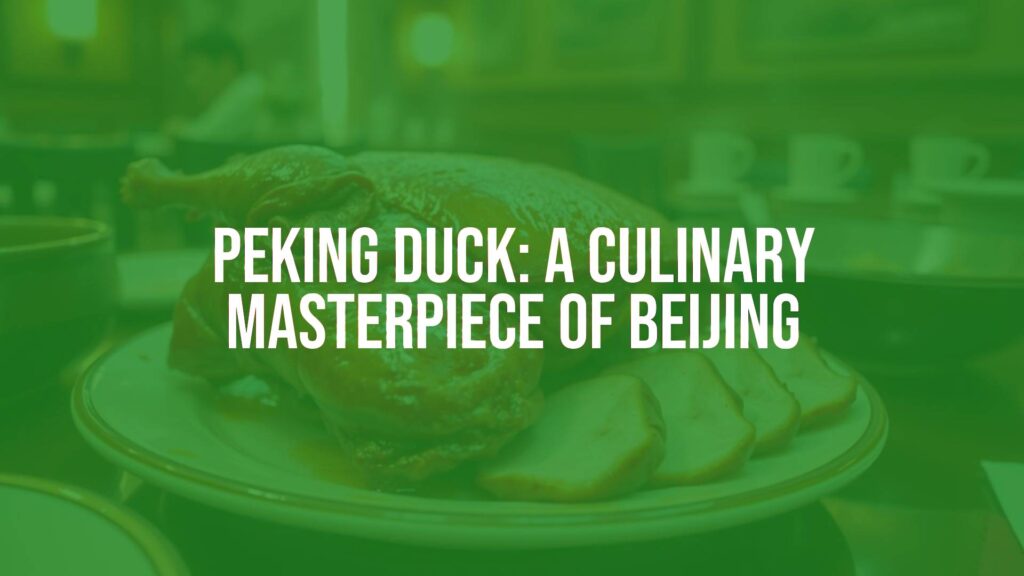
The Distinctive Nature of Peking Duck
Peking Duck stands as one of China’s most celebrated and iconic dishes, renowned for its rich heritage and unique preparation. This specialty from Beijing is characterized by its crisp, lacquered skin, succulent slices of duck meat, and elegant presentation. The dish captures both the artistry and ingenuity of Chinese culinary tradition, making it a must-try for connoisseurs and novices alike.
Traditional Preparation and Signature Features
The preparation of Peking Duck is a spectacle in itself. Ducks specifically bred for their tender meat are seasoned, air-dried, and glazed with a sweet maltose syrup before being roasted in a special oven. This method, traditionally involving an open-flame or wood-fired oven, ensures that the skin becomes delectably crispy while the underlying meat retains its moisture and flavor. The result is a harmonious contrast of textures: crackling skin and tender, flavor-packed duck.
When served, the duck is often carved at the table in thin, even slices, spotlighting the skill of the chef. The skin and meat are typically presented alongside delicate wheat flour pancakes, sliced scallions, cucumber batons, and sweet bean or hoisin sauce. Each element is assembled by the diner, enhancing the interactive and communal nature of the meal.
A Glimpse into Historical Origins
Peking Duck’s roots can be traced back to the Yuan Dynasty (1271–1368), but it surged in popularity during the Ming Dynasty, finding favor among imperial courts and, eventually, the public. By the 19th century, Beijing restaurants had perfected their unique take on roast duck, cementing Peking Duck as a symbol of Chinese gastronomy and hospitality. Over the centuries, it evolved from an elite feast to a dish enjoyed nationwide and internationally, often regarded as a culinary ambassador of Beijing (formerly called Peking).
Key Ingredients and Defining Components
While the star of this dish is the duck itself—preferably a specially reared, plump breed—several other components are essential to the Peking Duck experience:
- Air-Dried Duck: Ensures crisp skin after roasting.
- Maltose or Honey Glaze: Gives the skin its characteristic sheen and sweetness.
- Mandarin Pancakes: Thin, supple wrappers that cradle the sliced duck.
- Sauces: Traditionally a sweet bean sauce, though hoisin is also common.
- Vegetable Garnishes: Fresh slivers of scallion and cucumber add crunch and brightness.
Regional Significance and Sociocultural Role
Deeply associated with Beijing, Peking Duck symbolizes the city itself—reflecting both its culinary sophistication and historic gravitas. Its presentation at banquets and state occasions highlights the dish’s prestige. Today, enjoying Peking Duck in one of Beijing’s time-honored restaurants is regarded as an essential gastronomic pilgrimage for food lovers.
Variants and Common Adaptations
Though the classic version remains predominant, Peking Duck has inspired creative variations. Some chefs experiment with modern roasting techniques, such as using gas ovens or specialized rotisseries, while maintaining the requisite crispy skin. Variations might include flavored glazes or the addition of pickled vegetables as garnishes. Outside China, locally sourced ducks and alternative wraps—like lettuce leaves—are sometimes used to accommodate regional preferences and ingredient availability.
Ingredient substitutions, such as turkey for dietary reasons, have been explored, but none rival the authenticity imparted by a properly prepared duck. For those seeking alternative sauces, plum sauce can occasionally stand in for the classic sweet bean or hoisin varieties.
Pairing Suggestions and Enjoyment
Peking Duck is best savored with accompaniments that balance its richness. Traditional pairings include light, aromatic Chinese teas such as jasmine or chrysanthemum, which cleanse the palate. Rice wine or a delicate red wine can also complement the dish’s savory-sweet profile. As a ceremonial centerpiece, Peking Duck is often served alongside simple vegetable dishes or clear soups, ensuring the focus remains on its distinctive flavors and textures.
Conclusion
Peking Duck remains a hallmark of Chinese culinary culture. Its meticulous preparation, state-of-the-art presentation, and storied history combine to create a dish that is both a sensory delight and a symbol of Beijing’s enduring gastronomic legacy.
