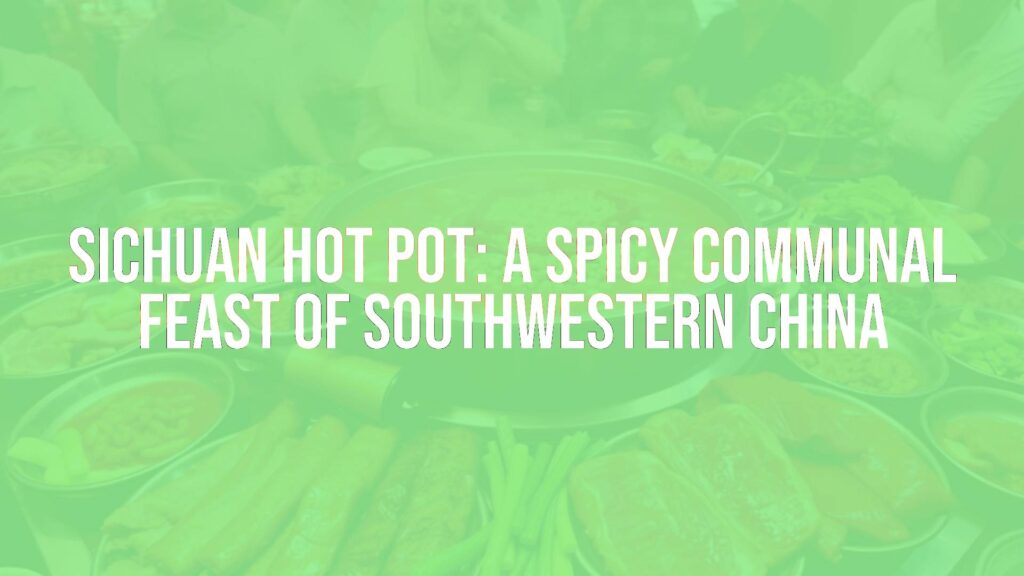
Overview of Sichuan Hot Pot
Sichuan hot pot, known as huǒguō (火锅) in Mandarin, is a celebrated dish from China’s Sichuan Province. Badged by its flavorful and fiery broth, this communal meal gathers diners around a simmering pot filled with a variety of meats, vegetables, and other delicacies ready to be cooked at the table. The hallmark of the Sichuan version is its bold, numbing, and spicy flavor, which delivers an unforgettable sensory experience.
Unique Qualities and Typical Experience
What sets Sichuan hot pot apart is its characteristic broth, rich with Sichuan peppercorns that induce the signature “mala” (麻辣) profile—an electrifying combination of numbing and heat. Chiles, aromatics, and a medley of spices build layers of flavor and deep red color. The bubbling cauldron serves as both cooker and centerpiece, encouraging lively social interaction as diners skewer, dip, and savor a wide range of ingredients.
Origins and Cultural Significance
This style of hot pot originated in the riverside city of Chongqing (historically part of Sichuan), dating back to the early Qing dynasty. It evolved from simple meals for dockworkers into a festive dining experience enjoyed across all social strata. Today, Sichuan hot pot is emblematic of the region’s palate and culinary ingenuity, synonymous with camaraderie and celebration throughout China and in Chinese communities worldwide.
Key Ingredients and Flavor Profile
The essential components of a classic Sichuan hot pot include:
- Broth: Intensely spicy and oily, made with beef tallow, dried red chiles, Sichuan peppercorns, garlic, ginger, and assorted spices such as star anise and cinnamon.
- Sliced meats: Often beef, lamb, or pork, thinly cut for quick cooking.
- Seafood and tofu: Fish fillets, shrimp, squid, and various tofu types add diversity in texture.
- Vegetables: Lotus root, potato, leafy greens, mushrooms, and winter melon.
- Noodles and starches: Glass noodles or potato noodles are commonly added toward the meal’s end to soak up the spicy broth.
- Dipping sauces: Diners blend their own, typically with sesame oil, garlic, soy sauce, vinegar, chopped cilantro, and sometimes fermented bean curd or peanuts for balance.
Variations and Adaptations
While the fiery red, “mala” version is the most famous, milder broths—often mushroom or herbal—are available for those seeking less spice. Some hot pot restaurants offer “yuan yang” (鸳鸯) or “double-flavor” pots divided into spicy and non-spicy halves for greater versatility. Other adaptations may swap out beef tallow for vegetable oils or adjust the level of peppercorn for varying stages of numbing intensity. Regional additions, such as tripe, duck blood pudding, or special fish balls, reflect hometown traditions and preferences.
Serving, Pairings, and Enjoyment
Sichuan hot pot is almost always a group affair, best enjoyed around a large table. Customizing your pot with favorite broth styles, dipping sauces, and ingredients is part of the ritual. This dish pairs well with simple sides like cold cucumber salad or chilled mung bean jelly to offset the chili fire, and is typically accompanied by tea, cold local brews, or sweet soy milk to mitigate the heat.
Ultimately, Sichuan hot pot is as much about the experience as the flavors—a culinary celebration that embodies the vibrancy and social spirit of Chinese dining culture.
